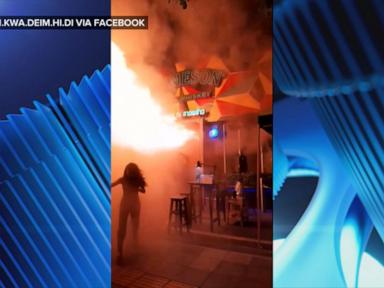
It is the same nightmare, playing out on a different stage. Just before midnight on a Sunday, a packed room of young people enjoying live music is suddenly plunged into darkness. Seconds later, a flash of fire rips across the ceiling, thick toxic smoke fills the room, and panic takes over.
The tragic blaze at the Rong Beer Na Lat Phrao pub in northern Bangkok on July 12, 2026, which killed at least 27 people and left dozens injured, is not a freak accident. It is a stark reminder of a systemic, global failure in nightlife safety.
When you look at the details emerging from this disaster, you realize that almost every single death was preventable. The building was a classic fire trap, designed to entertain but completely unequipped to protect.
The Nightmare at Rong Beer Na Lat Phrao
The fire broke out at approximately 11:57 PM at the popular venue located near Soi Lat Phrao 1 Road in Bangkok's Chatuchak district. The pub was packed with patrons, mostly aged between 20 and 35.
According to eye-witness accounts, the venue's lights suddenly flickered and went out. A musician performing on stage reported seeing smoke pouring from a circuit breaker near the stage. Then, a loud explosion echoed through the dark room.
Within seconds, fire raced across the ceiling. Survivor accounts paint a terrifying picture of a rapidly descending black cloud of smoke.
One band member recalled running just five meters from the stage to the front door, finding himself in complete darkness, choking on air that had zero oxygen.
First responders arrived within five minutes, but the interior was already a toxic oven. The physical fire itself was brought under control in about thirty minutes, but the damage was already done. Out of the 27 people who died, 18 were women and nine were men. Another 63 people were rushed to hospitals, with at least 22 of them in critical condition.
Anatomy of a Nightclub Fire Trap
To understand why so many died so quickly, we have to look at how modern budget entertainment venues are constructed. Nightclubs and live music pubs are often acoustic and aesthetic nightmares waiting to happen.
The Ceiling is Often a Sheet of Fuel
Fire safety experts have repeatedly warned about the materials used in nightclub ceilings. To keep sound from leaking out and disturbing neighbors, budget clubs line their walls and ceilings with cheap, highly flammable acoustic foam.
This foam is essentially solidified petroleum. When it catches fire, it does not just burn; it melts, dripping liquid fire onto the crowd below while releasing thick, black, toxic smoke containing hydrogen cyanide and carbon monoxide.
Early reports from the Na Lat Phrao site suggest the ceiling was decorated with highly combustible materials, including plastic plants. When the electrical short circuit occurred in either the stage-side circuit breaker or a ceiling-mounted air conditioner, these decorations acted as a fuse, carrying the fire across the entire width of the venue in seconds.
The Illusion of Compliance
Bangkok Governor Chadchart Sittipunt confirmed to reporters that the venue had obtained the necessary operating permits and technically possessed fire exits. However, he made an incredibly telling observation: the condition of a venue during an official inspection is rarely the condition of the venue during actual operation.
Once the inspectors leave, reality sets in. Tables, chairs, and beer crates are crammed into every available square inch to maximize capacity.
When firefighters finally breached the burning pub, they found their path completely blocked by shifted furniture. The main floor was a maze of overturned heavy wooden tables and metal bar stools. In a dark, smoke-filled room, these everyday items become deadly tripping hazards that seal people's fates.
The Deadly Math of Smoke Inhalation
Most people who die in venue fires never actually get touched by flames. They are killed by the air they breathe.
Firefighter Chakrit Khongkom, one of the first rescuers on the scene, noted that the actual fire was not incredibly aggressive when they arrived, but the smoke had engulfed 100% of the building.
When synthetic materials burn, they create a deadly chemical cocktail.
- Carbon Monoxide (CO): This gas is odorless and colorless. It binds to red blood cells 200 times more effectively than oxygen, rapidly starving the brain and muscles of oxygen, causing confusion, dizziness, and collapse within seconds.
- Hydrogen Cyanide (HCN): Often produced by burning polyurethane foam (the exact material used in cheap soundproofing). It halts cellular respiration, causing immediate unconsciousness and cardiac arrest.
In a space like Na Lat Phrao, with low ceilings and limited ventilation, a single breath of this smoke can knock a person unconscious. Once you fall to the floor in a crowded, dark room, the chances of survival drop to near zero.
Why Restrooms Become Death Traps
One of the most tragic details of the Bangkok pub fire is where the bodies were found. Rescuers discovered a significant number of the victims piled inside the bathrooms at the back of the venue.
This is a well-documented psychological phenomenon in structural fires. When fire breaks out near the main entrance or stage, people naturally run away from the flames. In a dark, chaotic room filled with smoke, people panic and look for any door or familiar space.
Many mistake the restroom doors for exit doors or emergency escapes. Once inside, they find themselves trapped in a windowless room with no secondary exit.
As the fire consumes the oxygen in the main room, the toxic smoke is drawn into the bathrooms, suffocating everyone inside. It is a horrific pattern that has repeated itself in nightclub fires for decades.
Ghosts of Santika and Mountain B
Thailand is no stranger to this specific brand of tragedy. The Na Lat Phrao fire is a grim echo of past disasters that were supposed to change the industry forever.
The Santika Nightclub Fire (2009)
On January 1, 2009, a massive fire tore through the Santika Club in Bangkok during a New Year's Eve celebration. That blaze, sparked by indoor pyrotechnics, killed 67 people and injured more than 200.
The subsequent investigation revealed a laundry list of safety violations: the club had only one main exit for patrons, the windows were barred, the emergency exits were locked to prevent people from slipping in without paying, and the building was officially registered as a private residence to avoid rigorous commercial fire inspections.
The Mountain B Nightclub Fire (2022)
Thirteen years later, in August 2022, history repeated itself at the Mountain B nightclub in Chonburi province. A fire killed 25 people.
Once again, the venue was lined with cheap, flammable acoustic foam, the single exit door was partially blocked, and the venue was operating under a modified license that did not match its actual use.
The fact that we are seeing the exact same safety failures in 2026—blocked exits, flammable ceiling decorations, and rapid smoke propagation—proves that lessons are not being learned, or at least, they are not being enforced.
How to Survive a Nightclub Fire
If you enjoy nightlife, you cannot rely solely on venue owners or local inspectors to keep you safe. You have to take your safety into your own hands the moment you walk through the door.
Here is what you actually need to do to survive a venue fire.
1. Locate the Secondary Exit Immediately
When you enter a club, bar, or concert venue, do not just look at the bar or the stage. Take ten seconds to scan the room.
Find at least two ways out. Most people will instinctively try to run out the exact same door they walked in through. If the fire starts near the main entrance or stage (as it did at Na Lat Phrao), that exit will be blocked. You must know where the back or side exits are.
2. Ditch the "Restroom Illusion"
Never run into a restroom to escape fire or smoke unless you are absolutely certain there is an exterior window or door inside. Restrooms are almost always dead ends.
If you get disoriented, feel your way along the walls. Exit doors usually have push bars and open outward; restroom doors often pull inward.
3. Get Low and Stay Low
Smoke rises and pools at the ceiling first, slowly descending like a heavy blanket. The cleanest, coolest air will always be within one to two feet of the floor.
If smoke starts filling the room, do not try to run upright. Get on your hands and knees and crawl. It might feel dramatic, but it will keep you from inhaling the toxic fumes that cause instant collapse.
4. Cover Your Nose and Mouth
If you have a shirt, jacket, or even a drink napkin, wet it with whatever liquid is available (water, beer, soda) and hold it tightly over your nose and mouth. It will not filter out toxic gases like carbon monoxide, but it will cool the air and block larger soot particles, preventing your airway from burning and swelling shut.
5. Act Immediately
The biggest mistake people make in fire emergencies is waiting to see what others do. If you hear an explosion, see smoke, or notice the lights flicker and go out while a band is playing, do not wait for an announcement. Do not try to finish your drink or find your coat. Walk to the nearest exit immediately. Thirty seconds is often the difference between a safe exit and being trapped in a crowd surge.
We cannot keep treating these tragedies as unpredictable accidents. The loss of 27 lives in Bangkok is a direct result of poor material choices, neglected exit paths, and a failure to enforce basic physical safety standards. Until city governments treat fire code violations with the same severity as criminal offenses, the cycle will continue.