The skies over the Persian Gulf don't offer much warning time. When regional tensions boil over, the transition from quiet night to active combat takes only a few minutes.
That reality played out clearly on July 12 and 13, 2026. The Bahrain Defence Force announced its air defense networks intercepted multiple Iranian missile and drone barrages targeting the island kingdom. According to statements from the military's General Command, these strikes directly targeted civilian infrastructure and private property.
This isn't an isolated border skirmish. It's a major escalation in an increasingly dangerous regional conflict. Just hours before the projectiles flew toward Manama, the United States launched fresh strikes against Iranian military assets. Tehran hit back, targeting American installations across the Gulf. Bahrain found itself caught right in the crosshairs.
The Reality Behind the Manama Interceptions
Skeptics often wonder if regional militaries can stand on their own when the missiles start flying. Bahrain's response provided a definitive answer. The military reported that its systems neutralized the incoming threats with zero confirmed civilian casualties on the ground.
While the exact mix of defensive systems hasn't been publicized by the General Command, Bahrain relies on a layered network. This includes American-made Patriot missile batteries and upgraded short-range platforms. These systems have to talk to each other in real-time. If they don't, the network fails.
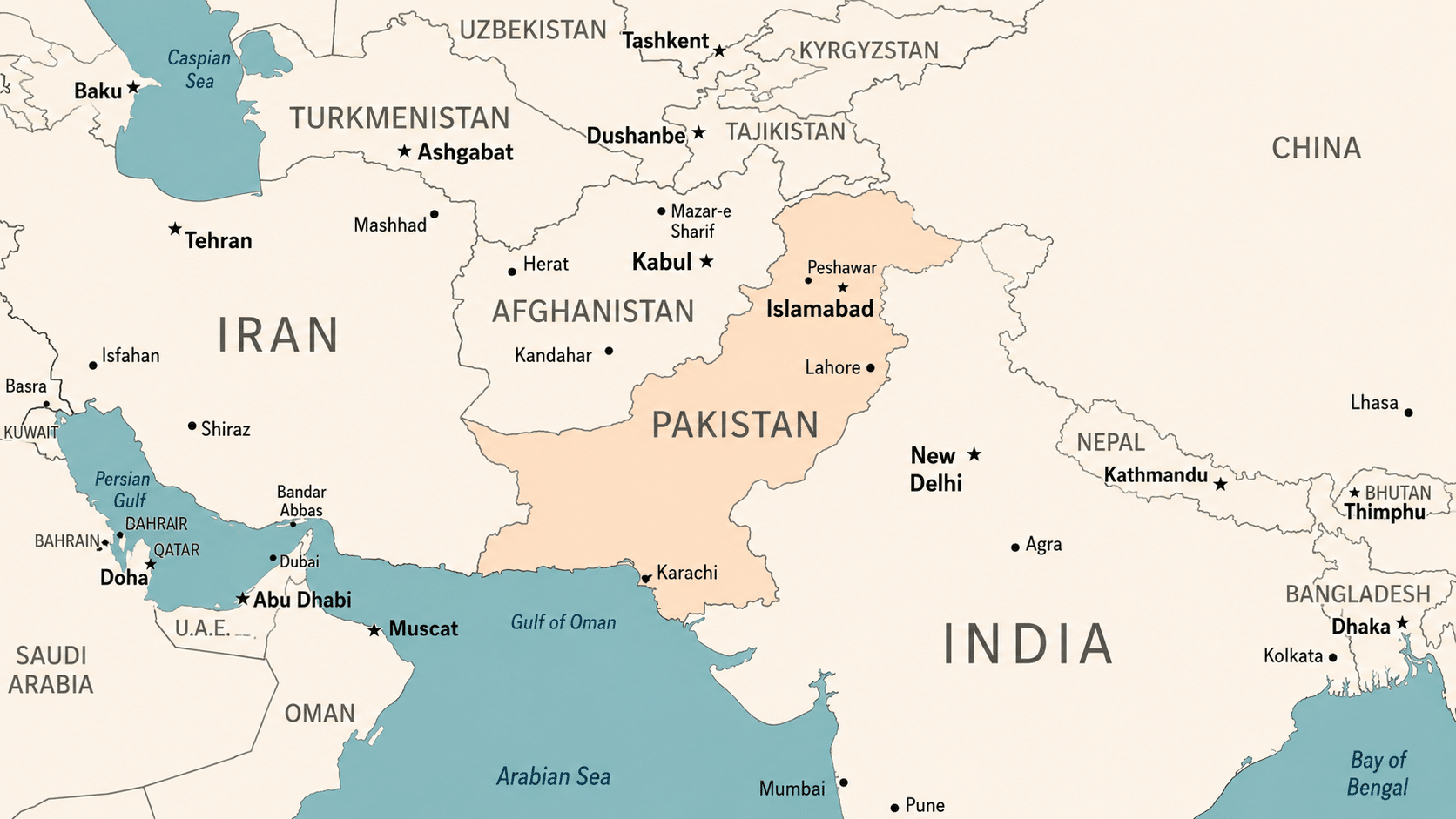
The Organization of Islamic Cooperation strongly denounced the wider Iranian offensive, which reportedly stretched across the Gulf to target sites in Qatar, Oman, Kuwait, the UAE, and Jordan.
What Actually Swarmed the Skies
Military analysts tracking the debris point to a familiar playbook. Iran's strategy doesn't rely on single, high-tech weapons. Instead, it relies on saturation. They launch a mix of low-cost loitering munitions—essentially suicide drones—alongside fast-moving ballistic or cruise missiles.
- The Drones: Slow, loud, but highly effective at distracting radar systems. They are sent first to force defensive batteries to waste ammunition.
- The Missiles: Launched in tandem with the drones to slip through gaps while the radars are busy tracking smaller targets.
It takes immense coordination to sort through that noise. The Bahraini systems managed to do it, but the structural strain of these engagements is exactly what adversaries want to exploit.
Debris and the Unseen Danger After the Attack
Winning the battle in the air doesn't mean the danger evaporates. The Bahrain Defence Force issued an urgent advisory to residents warning them to stay away from any metallic debris or unexploded parts.
When an interceptor missile hits a drone or a ballistic target, it doesn't always completely vaporize the threat. Heavy chunks of metal, unspent rocket fuel, and volatile warhead fragments rain down over a wide radius. For a densely populated island nation like Bahrain, falling debris is a massive threat to life.
The military has deployed specialized explosive ordnance disposal teams to clean up the impact zones. Locals have been instructed to simply drop a GPS pin and let the professionals handle it.
The Regional Security Implications
We need to look past the immediate headlines to see the bigger picture. This escalation shatters a fragile status quo. The United States and Iran had signed a memorandum of understanding back in June, which many hoped would cool down the region. That hope is gone.
The direct targeting of Gulf state territory shows that the regional conflict has expanded far beyond localized proxy fights. Bahrain hosts the U.S. Navy's Fifth Fleet. This makes it an incredibly important geopolitical hub—and a high-value target for anyone looking to push back against American influence in the Middle East.
What to Watch Next
The immediate threat has passed, but the underlying friction remains unresolved. Security personnel and regional analysts should watch three specific areas over the coming days.
- Amunition Resupply Rates: Air defense interceptors are expensive and finite. Look closely at how quickly Western allies replenish Bahrain's stockpiles.
- Maritime Shipping Redirection: Shipping lanes near the Strait of Hormuz are already facing heavy disruption. Watch for immediate increases in maritime insurance premiums for vessels entering the Gulf.
- Coalition Integration: This attack will likely force deeper, automated data-sharing between Gulf nations and Western militaries to track incoming threats even faster.
The defense grid held this time. But as long as the broader political conflict burns, the air defense crews in Manama won't be getting much sleep.