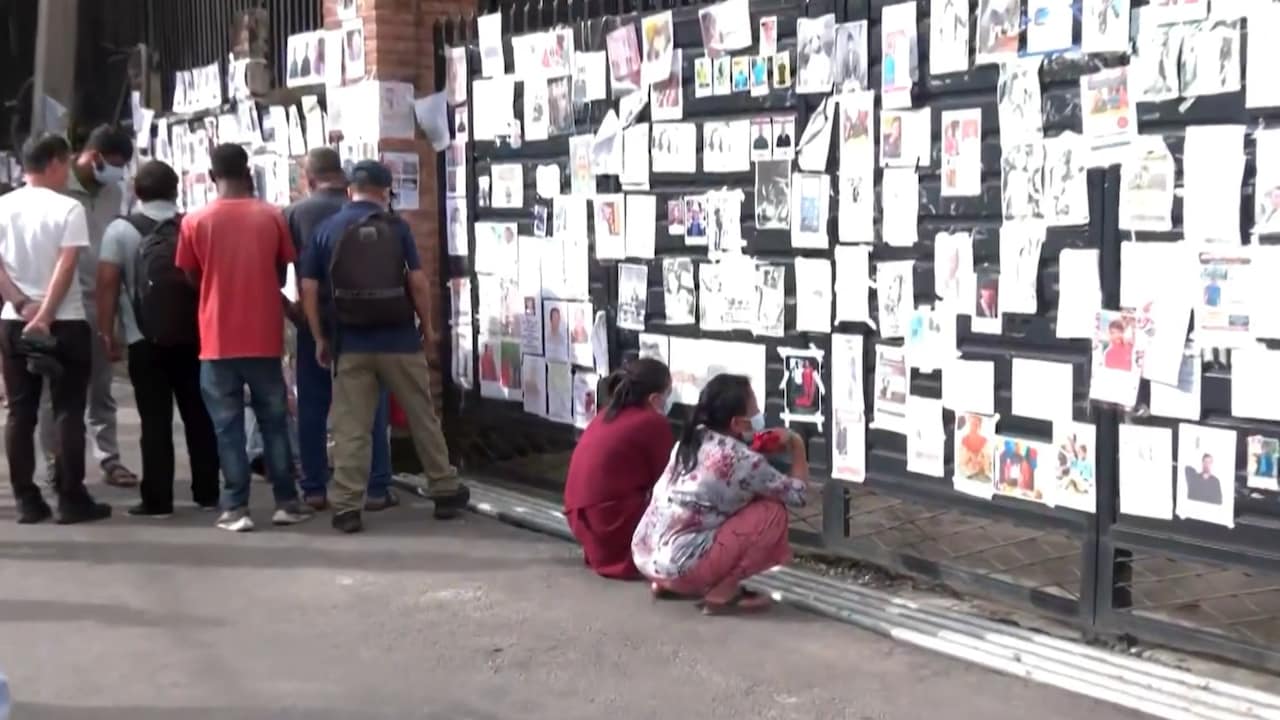
The air outside Tribhuvan Hospital in Kathmandu smells like chlorine, decay, and unadulterated panic. Photographs hang on string lines outside the gates, fluttering in the mountain breeze like laundry. They show smiling wedding portraits, school children in uniforms, and elderly grandparents. These are the faces of the missing.
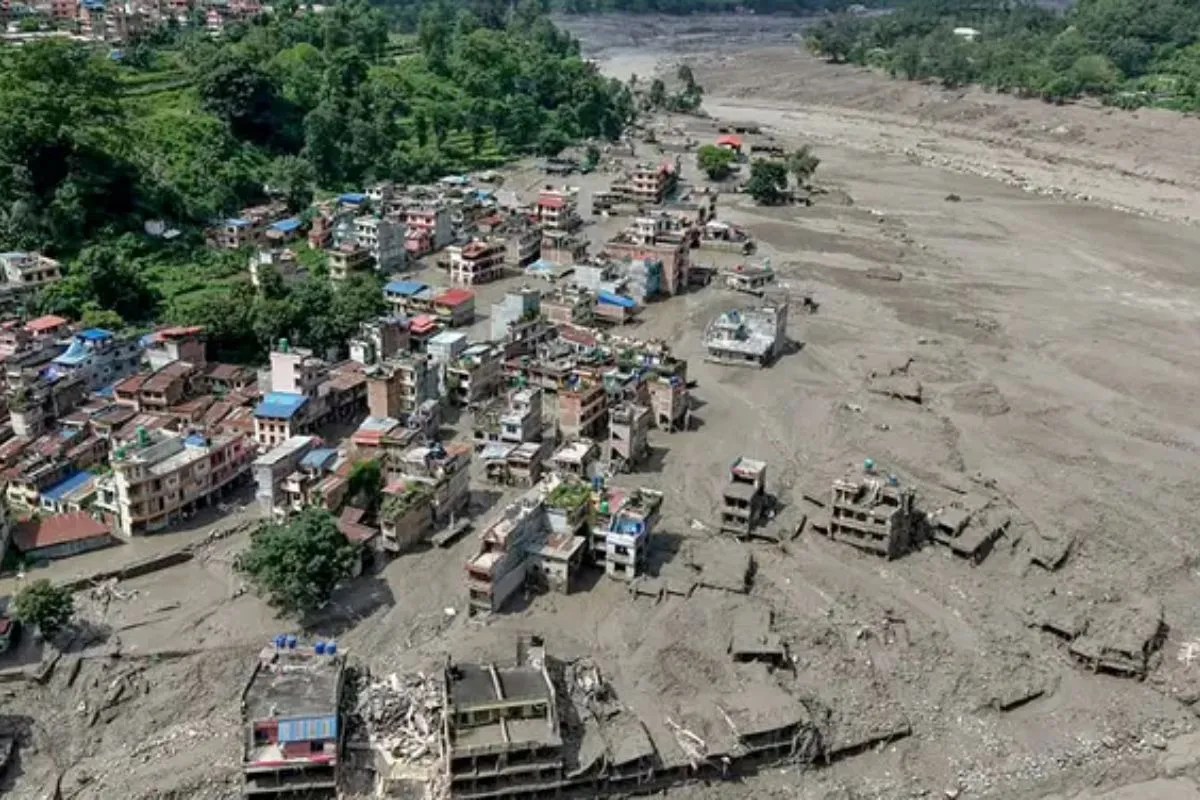
Over 1,200 people are dead, and thousands more remain unaccounted for following the catastrophic flash floods that struck Nepal on August 26. Families aren't just mourning; they're wandering from makeshift morgues to riverbanks, holding onto shredding photographs and fragile fractions of hope. When a disaster of this scale hits the Himalayas, normal bureaucratic procedures shatter instantly. Doctors struggle to scan fingerprints or look for identifying marks on bodies that have spent days churned up in fast-moving, debris-laden mud.
If you are trying to understand how a country handles a catastrophe where thousands vanish into swollen rivers, you have to look past the official casualty counts. You have to look at the grim logistical nightmares happening behind closed hospital doors and along the banks of the Trishuli river.
The Agonizing Compromise Of Temporary Burials
Hindu tradition dictates cremation. Fire releases the soul and purifies the physical vessel. But when hundreds of bodies overwhelm city morgues and decomposition outpaces identification, tradition becomes an impossible luxury.
Authorities in districts north and northwest of Kathmandu have resorted to mass burials. These aren't permanent graves. They are calculated measures designed to stop disease outbreaks while forensic teams work around the clock.
DNA samples are extracted before any burial takes place. In districts like Chitwan, burial pits are dug precisely 1.5 meters deep. Workers maintain a 40-centimeter buffer space between each pit. Every grave receives a unique identification number paired with a signboard, ensuring that if a DNA match comes back positive weeks from now, forensic teams can unearth the specific remains without disturbing neighboring plots.
It is a clinical, heartbreaking process. Families watch strangers bury their kin in plots marked by numbers instead of names, praying the science works faster than the decay.
Symbolic Funerals Along The Trishuli River
What do you do when the river steals your entire family and leaves nothing behind?
In Nuwakot, survivors face a psychological wall that standard grief counseling cannot scale. With thousands still missing and presumed dead, many households are making a choice that breaks traditional taboos. They are holding symbolic funerals.
Priests gather along the banks of the turbulent Trishuli river. Instead of a body wrapped in white cloth, they place straw effigies on funeral pyres. Families light the straw, chant ancient mantras, and offer a final farewell to people they will never physically touch or bury again. It is a desperate act of closure. When nature leaves an open wound, rituals fill the void just enough to let people begin breathing again.
The Global Finger Pointing Behind Mountain Tsunamis
Disaster does not stop at rescue and recovery. It triggers a war for accountability.
Nepal Foreign Minister Shisir Khanal recently shifted the national conversation toward international liability. In official statements and interviews with media outlets like Kantipur TV, Kathmandu made it clear that standard financial aid packages are no longer enough. The government officially dispatched climate compensation claims to major global partners.
Nepal's carbon footprint is practically non-existent compared to heavy industrial economies. Yet, the nation is paying for a crisis built elsewhere. Rapid glacier melting, triggered by global temperature surges, is carving out catastrophic mountain tsunamis.
The stakes stretch far beyond Nepali borders. The Himalayan glaciers feed massive river systems like the Ganges and the Trishuli, supplying fresh water security to over two billion people across South Asia. If these ice reserves collapse completely, the region faces permanent ecological and human collapse. By framing post-disaster funding as moral restitution rather than charity, Kathmandu is forcing wealthy nations to reckon with their ecological debts.
Navigating Immediate Realities On The Ground
If you are following relief efforts or trying to support families impacted by the disaster, understanding the bottlenecks helps cut through the noise of social media panic.
- DNA Identification Bottlenecks: Do not expect rapid body identifications. Forensic pathology labs in Kathmandu are operating past maximum capacity, and DNA profiling takes time.
- Relief Scams and Verification: Verify local grassroots organizers before sending financial aid. Grassroots initiatives on messaging apps like WhatsApp are guiding rescue logistics, but scammers frequently exploit emergency chaos.
- Waterborne Health Risks: Survivors are currently facing secondary threats from contaminated water supplies and food safety issues in makeshift relief camps. Clean drinking water logistics remain the single highest priority for field workers.
The disaster in Nepal is a stark preview of what happens when climate instability hits fragile mountain terrain. The photos hanging outside Kathmandu hospitals will eventually come down, but the gaps they leave behind will take generations to heal.