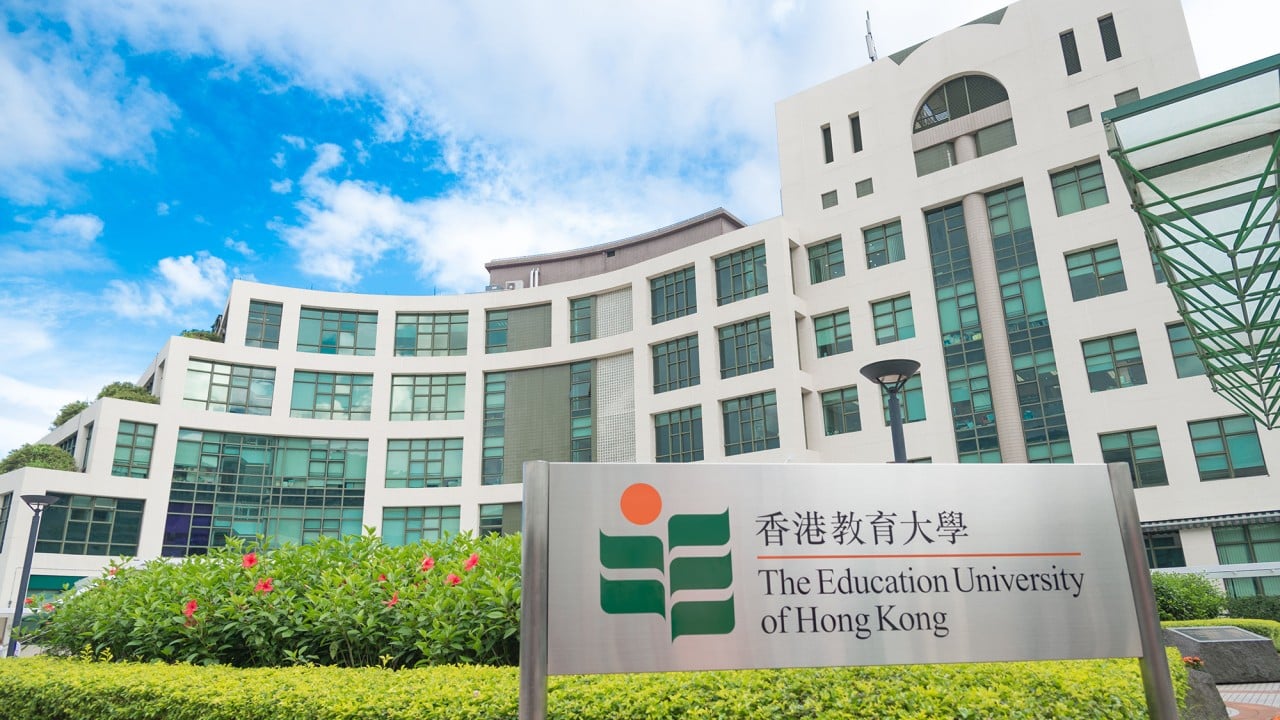
Academic publishing leaves zero room for sloppiness. When a scholarly study from the Education University of Hong Kong (EdUHK) used a map that omitted Victoria Harbour, nobody expected an institutional review. Yet, that minor graphical oversight sparked a chain reaction across academic circles. People often assume graphics in scholarly journals are mere decorations. They are not. Every visual element carries weight, especially when mapping sensitive territories or well-known municipal landmarks.
Why Map Accuracy Triggers Academic Audits
Cartography in academic research is serious business. When researchers publish work tied to specific geographical locations, readers expect absolute precision. Leaving out a body of water as iconic as Victoria Harbour isn't just a tiny drafting glitch. It changes how local geography is perceived.
Journals take strict measures when errors pop up post-publication. An oversight on a map can lead to retractions, corrections, or mandatory editorial reviews.
- Peer reviewers miss things.
- Authors rush final drafts.
- Editorial boards enforce strict visual standards.
When a university paper hits the web with a faulty graphic, institutional reputation takes an immediate hit. Critics jump on the mistake. Editors scramble to fix the record.
The Pressure on Local Higher Education Institutions
EdUHK finds itself under a microscope. Universities rely on public trust and rigorous academic standards. A map error opens the door to broader questions about institutional oversight. How did the graphic pass through multiple layers of peer review? Why didn't anyone catch the missing water body before publication?
These questions matter because academic integrity is fragile.
"A single misplaced boundary or omitted landmark can derail an otherwise groundbreaking study."
Researchers face intense pressure to produce volume. Speed often beats thoroughness in modern academia. Shortcuts happen. Graphic assets get pulled from generic repositories without proper verification.
What This Means for Future Research Papers
Academic publishing is changing fast. Journals are tightening graphic verification protocols. Authors can no longer drop random map screenshots into papers without intense scrutiny.
If you're preparing a research manuscript right now, take this as a warning. Double-check every single figure, map, and diagram. Verify your visual sources. Do not trust default vector files found online.
Review boards are watching. Readers are checking details. Precision wins every time.