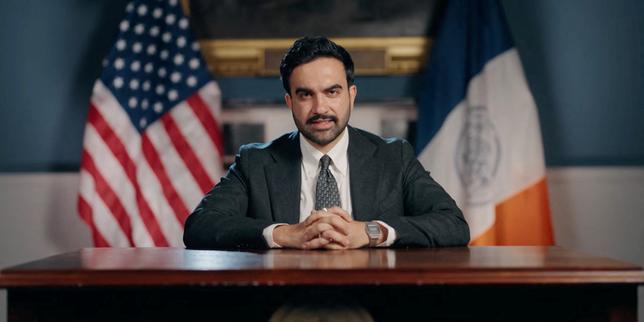
New York City Mayor Zohran Mamdani wanted to send a message. During his campaign and the first months of his administration, he repeatedly promised to order local police to execute the International Criminal Court’s arrest warrant against Israeli Prime Minister Benjamin Netanyahu if he stepped foot in Gotham.
On July 21, 2026, reality finally hit the legal wall.
In a short video posted across social platforms, Mamdani conceded that after a thorough review by his city legal team, New York City lacks the independent jurisdiction to enforce ICC warrants. He called Netanyahu a "war criminal" and insisted he isn't welcome in the city, but he had to face what legal scholars pointed out from day one: a municipal mayor cannot overrule federal treaties or international diplomacy.
Here is what actually happened behind the scenes, why the law blocked Mamdani's pledge, and what this legal reality check reveals about the limits of local political posturing.
The Legal Roadblock Facing City Hall
The idea that the New York City Police Department could handcuff a visiting head of government during the United Nations General Assembly in September was always a long shot. Three distinct legal barriers stood in the way of Mamdani's plan.
1. The United States Isn't an ICC Member
The International Criminal Court issued its arrest warrant for Benjamin Netanyahu and former defense chief Yoav Gallant in late 2024. However, the U.S. is not a party to the Rome Statute, the treaty that created the ICC.
Because Washington doesn't recognize ICC jurisdiction on American soil, federal law doesn't treat ICC warrants as valid domestic arrest documents. A local police department like the NYPD can't execute an foreign warrant that federal authorities haven't recognized.
2. Foreign Policy Belongs to Washington
Under Article II of the U.S. Constitution, foreign affairs and foreign diplomacy are strictly the responsibility of the federal government, not individual cities or states.
If a city mayor could dictate which foreign leaders get arrested while attending global summits, local politicians would essentially control American foreign policy. Federal law strictly prevents local governments from interfering with diplomatic missions authorized by Washington.
3. Diplomatic Immunity and the UN Headquarters Agreement
The United Nations headquarters in Manhattan operates under a specialized diplomatic framework. The 1947 UN Headquarters Agreement guarantees that diplomats, foreign dignitaries, and heads of state invited to UN proceedings are granted safe passage and immunity from local arrest.
Even if an NYPD officer wanted to detain a visiting foreign leader, entering UN territory or interrupting diplomatic travel would violate international treaty obligations binding the entire nation.
Political Warfare Between City Hall, Washington, and Jerusalem
Mamdani’s admission didn't happen in a vacuum. It followed intense public friction across three different levels of government.
- Donald Trump’s Blunt Response: On Truth Social, President Donald Trump made his stance clear, stating that Netanyahu "will not be arrested, in any way, shape, or form, while in the United States." Trump emphasized Netanyahu’s role in regional security and dismissed the ICC’s standing entirely.
- Israeli Pushback: Danny Danon, Israel’s ambassador to the UN, slammed Mamdani’s statements, accusing the mayor of political grandstanding and urging him to focus on local city governance instead of foreign affairs.
- Domestic Critics: Local New York officials and legal groups questioned whether using municipal resources to investigate arresting foreign leaders was an abuse of mayoral authority.
What Happens Next for Mayor Mamdani
By backing down on the legal feasibility of an arrest, Mamdani has pivoted his strategy. Instead of claiming local police power, he’s demanding that the federal government join the ICC and enforce the warrant itself—a political non-starter in current Washington politics.
Mamdani’s move highlights a growing trend of local officials taking firm stances on global affairs to satisfy domestic bases, even when the law offers no mechanism to turn rhetoric into policy. Netanyahu is expected to address the UN General Assembly in New York this September without threat of local arrest, guarded by standard federal diplomatic security details.
If you're following municipal politics or international law, watch how local leaders navigate global issues in upcoming legislative sessions. City halls frequently pass non-binding resolutions to signal values, but as this case shows, statutory authority stops where federal diplomatic law begins.