You look around today and wonder why everyone seems so angry. It is simple. We have convinced ourselves that life is a pie where every slice someone else takes leaves you with nothing.
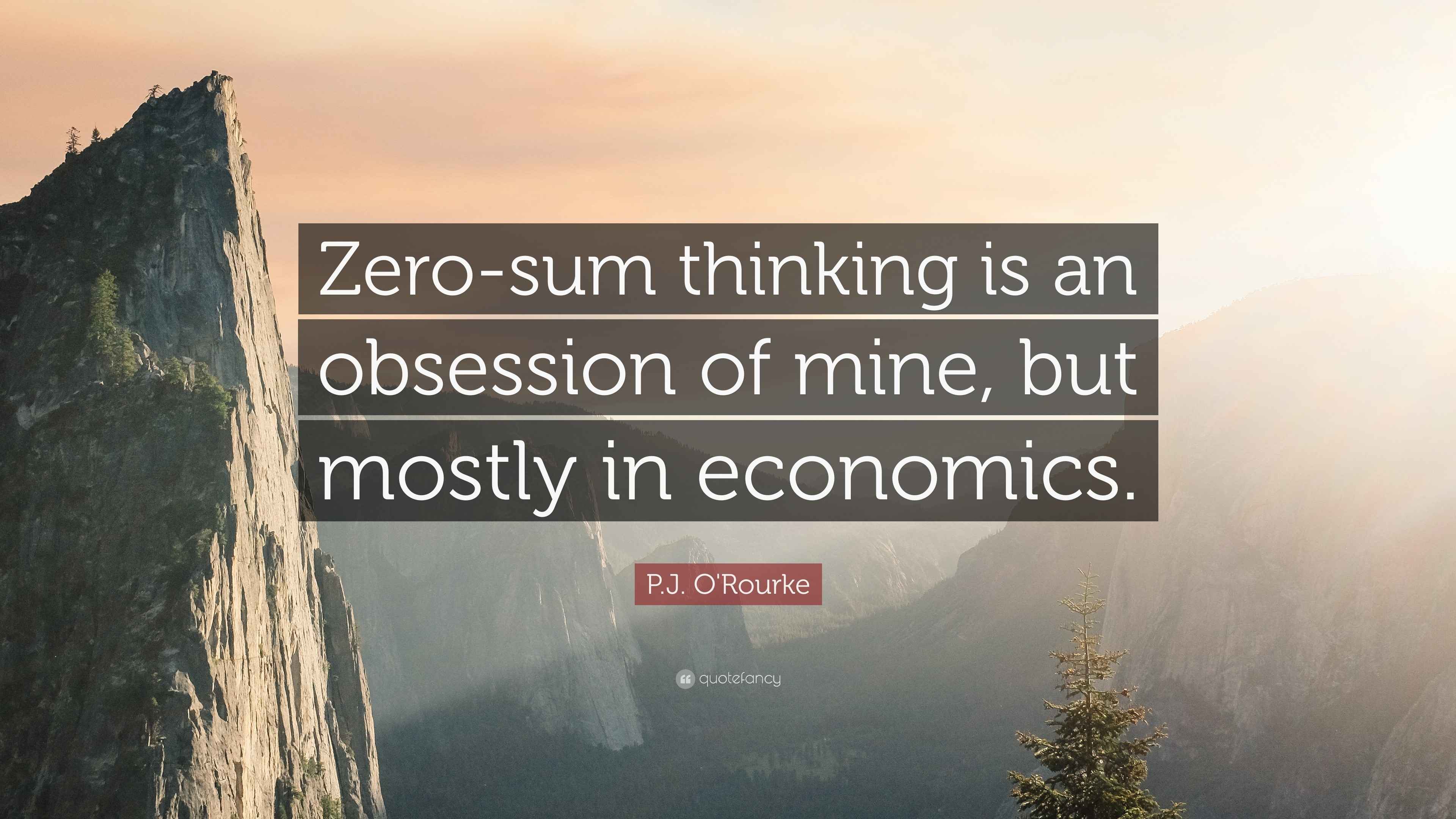
This mindset is called zero-sum thinking. When people believe success, wealth, or opportunity can only be won by taking it from someone else, cooperation dies. Trust collapses. Society splits into camps convinced they are being robbed. Recent economic research by scholars like Stefanie Stantcheva and Sahil Chinoy shows this mental trap is growing rapidly, especially among younger demographics facing steep housing costs and volatile job markets. But accepting this scarcity trap as an absolute truth is a massive mistake.
The Trap of the Fixed Pie
Zero-sum thinking assumes the total amount of value in the world is fixed. If your neighbor gets rich, you must have gotten poorer. If an immigrant finds a job, you must have lost an opportunity.
It feels intuitive. If you walk through a city with soaring property prices, you see housing as a finite battlefield. Every apartment taken feels like a personal defeat. Economists call this cognitive bias, and it flares up during economic downturns.
When inflation hurts your purchasing power and wages stagnate, your brain looks for villains. It is much easier to blame a rival group or a corrupt billionaire than to fix complex structural failures in housing supply, taxation, or energy policy.
Look at what happens when this mindset takes hold. Trust in public institutions drops. Political polarization spikes because compromise looks like losing. If politics is a zero-sum game, your opponent's victory is an existential threat to your survival.
Why Younger Generations Bear the Brunt
It makes complete sense why younger adults lean toward zero-sum attitudes. If you entered the workforce around the 2008 financial crisis or graduated into the post-pandemic inflation wave, your lived experience is defined by scarcity.
Think about the numbers. In many major cities across the Western world, home prices have outpaced wage growth by multiples that would have seemed absurd to previous generations. When entry-level professionals spend half their income on rent, they are living inside a literal shortage.
That creates a psychological shift. Hard work stops feeling like a reliable escalator to prosperity. Instead, life feels like a brutal lottery where connections, inherited wealth, and pure luck decide the winners. Resentment builds naturally when the rules of the economic game appear rigged from the start.
Escaping the Scarcity Loop
Believing the world is a zero-sum game becomes a self-fulfilling prophecy. If you think cooperation is pointless because everyone is out to exploit you, you stop building coalitions. You stop investing in shared infrastructure. You pull back into tribal defensiveness.
To break out of this cycle, we have to look at how wealth and value are actually created rather than just distributed. Human ingenuity does not have a ceiling. Technology, scientific breakthroughs, and creative problem-solving expand the economic pie every single decade.
We need to address the real bottlenecks causing scarcity instead of just fighting over the scraps.
- Build more housing by cutting through municipal red tape and zoning blocks that choke supply.
- Reform education systems so they teach adaptable skills rather than preparing students for obsolete career paths.
- Focus policy on productivity growth and innovation rather than endless redistribution battles.
Stop treating every economic interaction as a knife fight. Demand better policies that create abundance instead of managing decline.