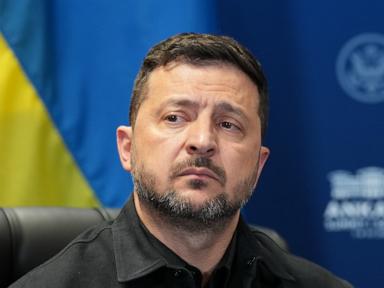
When Ukrainian President Volodymyr Zelenskyy steps foot in Belgrade, political norms will shatter. Serbia has long stood as Moscow's closest ideological and economic ally in the Western Balkans. They refused every wave of EU and Western sanctions against Russia. Yet, Serbian President Aleksandar Vučić is hosting Zelenskyy for an official state visit.
It is a high-stakes diplomatic tightrope walk. You might wonder why a fiercely pro-Russian administration is rolling out the red carpet for Ukraine's wartime leader now. The answer lies in shifting regional survival tactics, EU accession pressure, and a quiet scramble for economic survival. Let's look past the headlines to see what is actually driving this unexpected summit.
The Balancing Act in Belgrade
For years, Serbia played a double game. They condemned Russian aggression at the United Nations while refusing to penalize the Kremlin economically. Belgrade relies heavily on Russian gas, and historical Slavic ties run deep among the Serbian electorate.
However, reality is catching up. Vučić is steering Serbia toward the European Union, a path that requires alignment with foreign policy. By welcoming Zelenskyy, Serbia wants to show Brussels it can remain an independent player without completely burning bridges with Moscow.
Zelenskyy isn't walking into this meeting blind. Kyiv needs allies wherever it can find them, even in unexpected capitals. If Ukraine can peel regional heavyweights away from Russia's orbit, it wins a major psychological and diplomatic victory.
Beyond the War What is Actually on the Table
While the war casts a long shadow, this visit isn't just about battlefield updates. Both leaders are focusing heavily on concrete domestic interests.
- European Integration: Both nations share the grueling burden of EU candidacy. They face similar bureaucratic hurdles and political demands from Brussels. Expect closed-door strategy sharing on how to speed up reforms.
- Economic Ties: Trade and energy security are front and center. Talks are moving forward regarding a potential free trade agreement between Ukraine and Serbia.
- Regional Logistics: Ukraine's proposed Carpathian Initiative aims to draw non-military supporters into regional reconstruction, logistics, and tourism networks. Serbia fits neatly into this framework.
Vučić previously visited Kyiv and noted publicly that he wasn't entirely satisfied with Serbia's level of aid to Ukraine. He even dodged signing a harsh joint declaration targeting Russia during a regional summit. This background proves that Belgrade is unwilling to become a direct military benefactor to Kyiv. Instead, they are carving out a niche as economic and humanitarian partners.
What Most Analysts Miss About This Alliance
The real driver behind this rapprochement isn't sudden affection. It is pragmatism.
Serbia's leadership sees the writing on the wall regarding the eventual post-war reconstruction of Europe. Billions of dollars will flow into rebuilding Ukraine. Serbian construction firms, logistics providers, and agricultural exporters want a slice of that market.
Conversely, Kyiv understands that isolating every nation that maintains ties with Russia is a losing strategy. Diplomacy requires talking to opponents and fence-sitters alike. Zelenskyy visiting Belgrade signals a mature foreign policy shift. He is trading rigid purity for tactical gains.
Keep your eyes on the trade agreements signed during this trip. They will tell you more about the future of Eastern European realpolitik than any joint press statement ever could.
Review your assumptions about who talks to whom in modern geopolitics. Alliances are bending, and the map is being redrawn in real-time.