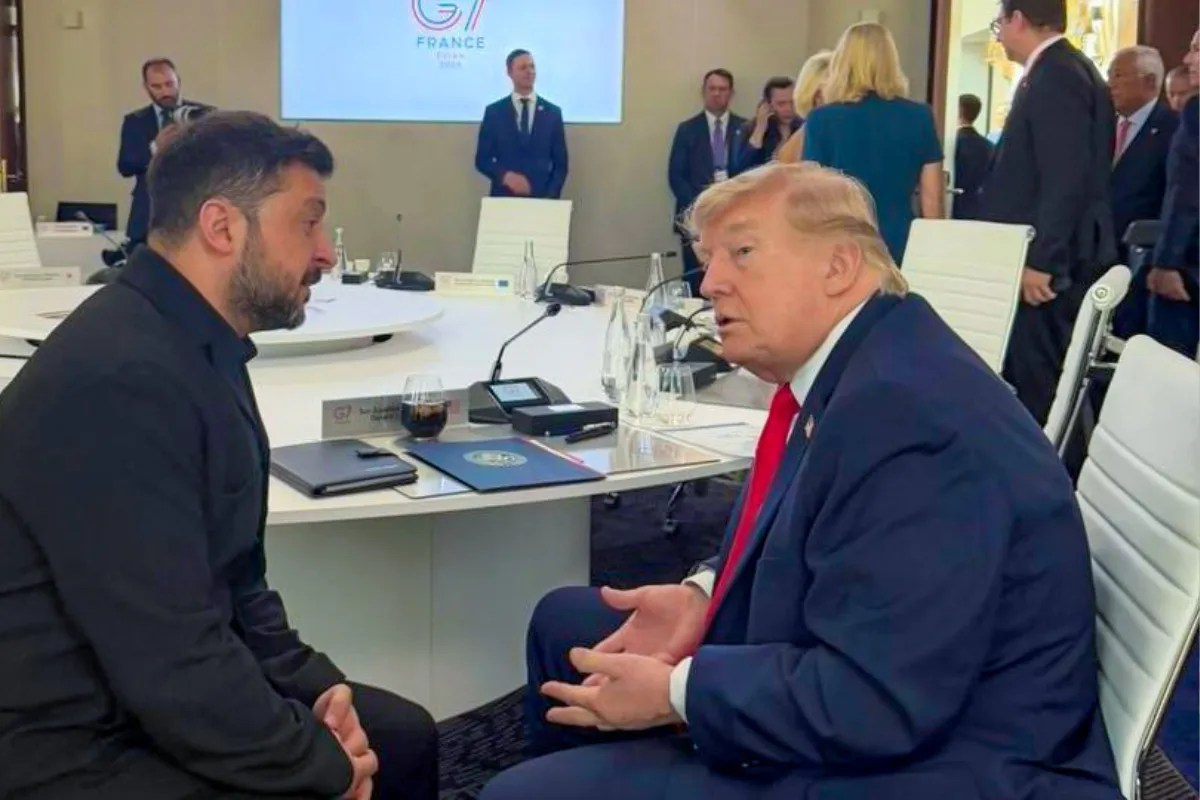
Donald Trump wants the war in Ukraine to stop right now. Volodymyr Zelenskyy just answered. But the terms on the table reveal a massive shift in how this brutal conflict is actually fought on the ground.
If Moscow stops hitting power grids, oil depots, and grain export facilities, Kyiv is ready to pull back its own punches. That is the core of the latest diplomatic back-and-forth shaking capitals from Washington to Kyiv.
The Reality Behind Trump's Urgency
Let's be honest. When Donald Trump takes to Truth Social to demand an end to the fighting, he usually points to the economic toll. He recently highlighted how Russia is losing control over its vital diesel industry and watching oil refineries get pulverized by cheap drones.
The numbers tell a stark story. Thousands of lives are lost every single month in a war that many thought would last mere weeks back in 2022. Trump called the entire situation absurd. He is right.
Yet, telling two entrenched nations to just stop shooting never works without immediate, tangible trade-offs. Zelenskyy knows this. That is why his response wasn't a blanket surrender or a flat refusal. It was conditional.
The Energy Grid Bargain
For over a year, Russia's favorite strategy has been freezing out Ukrainian civilians. They target power plants, transformers, and heating infrastructure right before winter kicks in. Kyiv has suffered blackout after blackout.
In return, Ukrainian military planners adapted. They didn't just sit there. They built and deployed long-range drones that now strike deep inside Russian territory, hitting oil infrastructure and hurting Moscow's export revenues.
When Zelenskyy says Ukraine will de-escalate if energy attacks stop, he is acknowledging a mutual hostage situation.
- Russia wants its oil refineries left alone.
- Ukraine wants its power grid and heating systems left intact.
- Both sides realize that modern technology has flattened the playing field.
Why Technology Changed the Game Forever
There was a time when only the invading superpower could inflict total devastation while the defending nation absorbed the blows. That era is dead.
As Zelenskyy noted in recent statements, attackers now face the exact same devastation they dish out. Drone warfare is cheap, scalable, and completely indifferent to traditional military hierarchies. A twenty-thousand-dollar drone can burn down a multi-million-dollar fuel depot.
That shift changes political calculations. When the Kremlin realizes that bombing a Ukrainian power station means a Russian refinery goes up in flames the very next night, the cost-benefit analysis shifts dramatically.
The Upcoming Diplomatic Showdown
All eyes are now turning to the United Nations General Assembly in New York. Zelenskyy plans to put a concrete action plan in front of international allies.
Washington is pushing hard for a diplomatic off-ramp, but the details remain messy. Security guarantees matter more to Kyiv than temporary ceasefires. Without ironclad protection, any pause in fighting simply gives Moscow time to rearm and strike again.
You cannot blame Ukrainian leadership for being cautious. Past agreements were broken within hours of being signed.
The ball is now in Moscow's court. If the Kremlin genuinely wants relief for its domestic energy sector, it knows the price of admission. Stop turning civilian lights out, and watch the skies clear up. Otherwise, expect the drone wars to escalate further.
:max_bytes(150000):strip_icc():focal(749x0:751x2)/cindy-crawford-family270-05202026-7a3e5fd008b24bf5bf16da2a6a67f37a.jpg)