A peaceful afternoon in Yuen Long turned into a horrific nightmare in less than twenty minutes. A massive, unleashed 60kg dog wandered through busy commercial hubs, launching sudden, lethal attacks on two small pets taking routine walks with their owners. This wasn't just a freak accident. It represents a systemic failure in urban animal management and pet owner accountability that puts both human and animal lives at extreme risk.
The Timeline of a Twenty-Minute Rampage
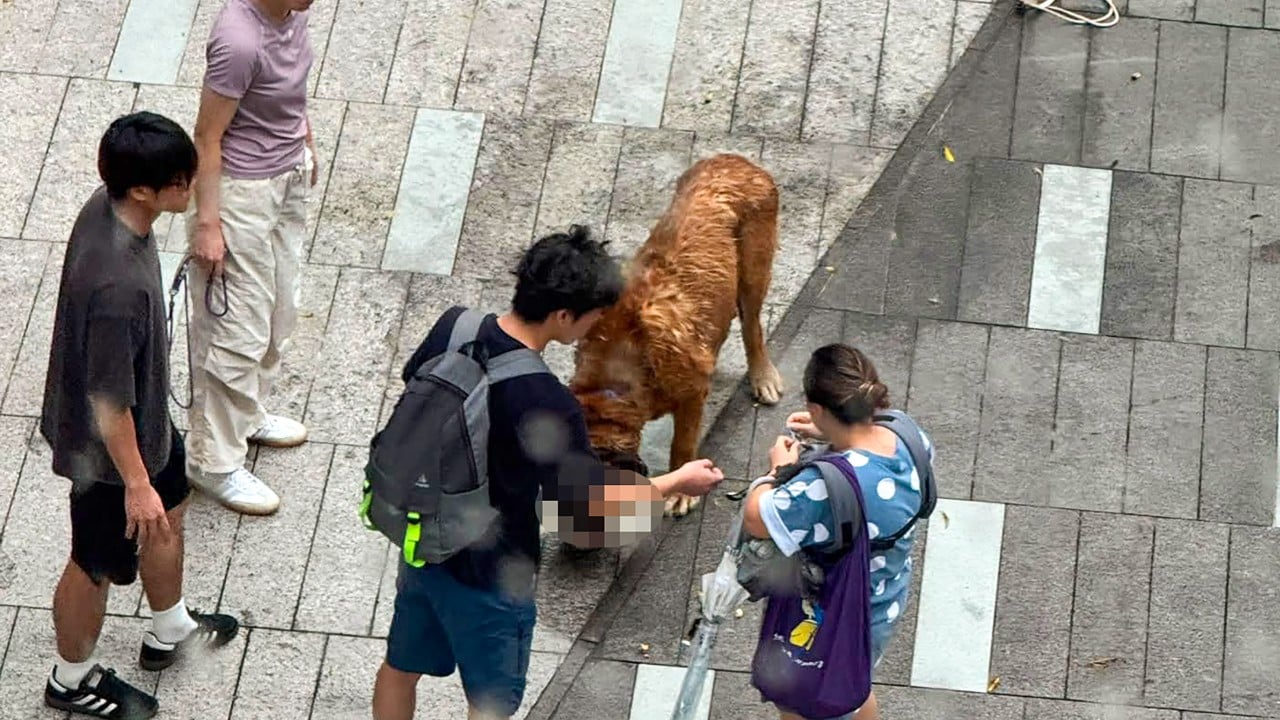
The sequence of events highlights how quickly public spaces can turn dangerous when large animals roam free without proper restraints. At around 3 PM near the taxi rank at the Yoho Mall car park, a 58-year-old man walked his 17-year-old, 5kg miniature poodle. Out of nowhere, a heavy brown dog weighing roughly 132 pounds and standing nearly two feet tall charged the smaller animal. The elderly poodle was rushed to a veterinary clinic, but the injuries proved fatal.
Just twenty minutes later, the destruction continued near Lolli Park at the Yoho Mix mall. A 50-year-old woman walked her four-year-old, 5kg bichon frise. The same large, unidentified dog attacked again. Distressing video footage captured online shows the massive animal clamping its jaws onto the smaller dog's neck while horrified bystanders tried helplessly to intervene. The bichon frise died instantly, leaving its owner collapsed in grief on the pavement.
Police and officers from the Agriculture, Fisheries and Conservation Department (AFCD) eventually cornered and captured the animal, transferring it to the New Territories North animal management centre. Yet, as of Monday, officials stated they couldn't even scan the dog for a microchip because its aggressive behavior made handling it too dangerous.
Why Large Breed Management Needs an Urgent Overhaul
Incidents like this force a hard look at how local authorities regulate large breeds in densely populated urban environments. Hong Kong has strict statutory controls regarding dogs in public spaces, yet enforcement often falls short until a tragedy occurs. When a dog of that size roams entirely unattended through a major shopping complex precinct, basic preventative measures have failed completely.
People often underestimate the sheer physical power of a 60kg animal. If an owner lacks the physical strength, proper training tools, or secure fencing to control a large dog, disaster is just one broken leash or open gate away. Relying on reactive policing—where authorities only step in after pets or people are mauled—is completely unacceptable.
The Microchip Mystery and Accountability Gaps
The inability of AFCD staff to safely scan the captured dog highlights another glaring issue in pet tracking systems. A microchip is supposed to serve as an immutable link to an owner. If a dog is too volatile to scan safely without specialized sedation or heavy containment protocols, the system hits a brick wall.
Police classified the case as a "dog bite," leaving the AFCD to sort out the investigation. Accountability must extend beyond simply impounding the animal. If an owner deliberately abandoned the dog, allowed it to escape due to gross negligence, or failed to register it properly, they need to face severe criminal consequences. Letting owners hide behind anonymity while their animals terrorize communities creates a culture of impunity.
Protecting Small Pets in Crowded Neighborhoods
If you walk a small dog in a high-density city like Hong Kong, you have to stay hyper-vigilant. Relying on the assumption that everyone else will follow leash laws is a dangerous gamble.
- Keep your eyes scanning ahead rather than looking down at your phone.
- Avoid narrow choke points where you cannot easily pull your pet away from a charging animal.
- Carry a loud deterrent or air horn if local regulations permit, as sudden loud noises can sometimes break a large dog's focus during an attack.
Communities must also demand better patrols around public transit hubs and malls where pet traffic is high. Urban spaces should feel safe for everyone, whether they are walking a miniature poodle or running daily errands.
Stop treating loose, aggressive large dogs as mere administrative nuisances. They are immediate public safety hazards, and local authorities need tougher enforcement tools to prevent the next tragedy before it strikes.