Intelligence failures rarely look like missing puzzle pieces in real-time. Instead, they look like noise, ignored signals, and a staggering lack of institutional imagination.
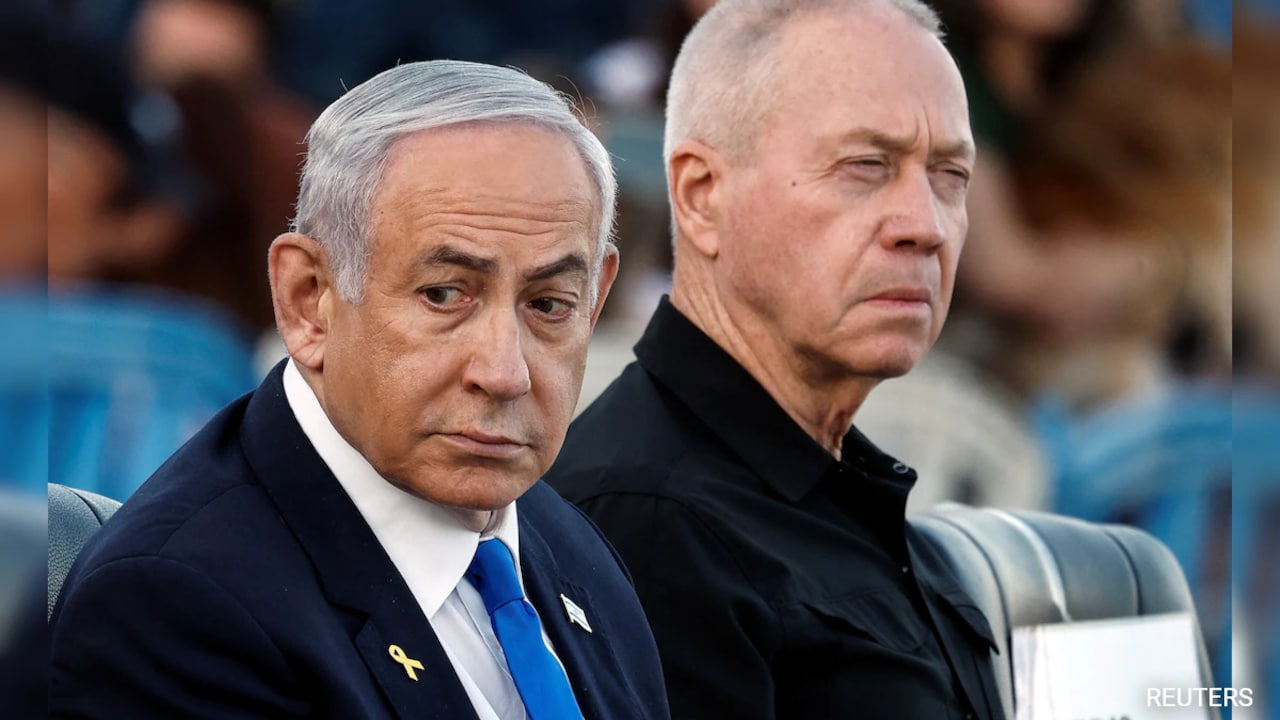
Former Israeli defence minister Yoav Gallant just pulled back the curtain on what leadership knew before the October 7, 2023 attacks. Speaking publicly, Gallant confirmed that Israel received a direct message from Hamas weeks before the assault, warning that Yahya Sinwar would "shake the prisons."
If you're wondering how the security apparatus brushed that aside, you aren't alone. Both the Shin Bet and the Military Intelligence Directorate shoved that warning into a neat little box, assuming it was tied entirely to the kidnapping of researcher Elizabeth Tsurkov rather than an existential military strike.
That miscalculation changed the Middle East forever. Now, with Israel's upcoming general election approaching on October 27, 2026, these revelations are tearing open old wounds and forcing voters to look hard at accountability.
The Anatomy of a Dismissed Warning
Intelligence agencies thrive on pattern recognition. When Hamas warned through a Shin Bet channel that prisons would shake, analysts looked at past friction, inmate protests, and localized threats. They fitted the puzzle piece into an existing narrative about localized unrest or prisoner bargaining chips.
Gallant's recent statements to Army Radio expose a dangerous systemic flaw. When leaders receive chilling threats from adversaries, confirmation bias often takes the wheel. Intelligence officers wanted to believe Hamas was deterred. They wanted to believe the wall, the sensors, and the surveillance apparatus made large-scale invasion impossible.
History shows that armies and governments fail when they confuse capability with intent. Hamas had the intent for years, broadcasted in plain sight, yet the leadership structure convinced itself that economic incentives and quiet borders would hold.
Fractured Command and White House Friction
Gallant did not just talk about intelligence blind spots. He dropped grenades regarding the internal governance of the war itself. Despite serving as the country's defense chief, Gallant claimed Prime Minister Benjamin Netanyahu deliberately shut him out of sensitive conversations with high-ranking United States officials.
Imagine managing a multi-front war while finding out what your primary superpower ally said to your prime minister only after American officials called you to double-check the transcript.
Gallant didn't mince words about Washington's perspective either, noting that American trust in Netanyahu was remarkably low. That breakdown in communication highlights a fractured war cabinet plagued by personal survival politics rather than cohesive strategy. Netanyahu eventually fired Gallant in November 2024, pointing to a severe crisis of trust over hostage negotiations versus perpetual military pressure.
When your top military strategist and your head of government are fighting a shadow war against each other while actual rockets fly, security collapses from the inside.
Why This Matters Right Now
You might ask why these disclosures are surfacing with such intensity right now. The answer is simple: political survival and the ballot box.
Israel is facing an election cycle that marks the first time since 1988 that a Knesset has managed to complete a full four-year term. Voters are angry, exhausted, and demanding answers about who dropped the ball on October 7.
Politicians on all sides are scrambling to shape the narrative. When intermediaries like former Fatah official Sufian Abu Zaida talk about secret prisoner exchange channels, and former defense ministers expose institutional negligence, the public is forced to reckon with the cost of arrogance at the top.
Warnings were there. The prison threats were real. The failure was not a lack of data, but a catastrophic failure of imagination by people paid to expect the worst.
Take a close look at how leadership handles dissent today, because history has a habit of repeating itself when accountability gets sidelined for political convenience.