Superpower friction is loud. Everyone has an opinion on tariffs, tech bans, and military posturing across the Pacific. But underneath the daily media noise, a much older script is playing out.
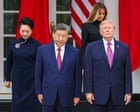
When Xi Jinping walked into the White House for his meeting with Donald Trump, he didn't just bring talking points on trade. He brought up a 2,000-year-old concept coined by a Greek historian named Thucydides. The core idea is simple and terrifying. When a rising power threatens to displace an established one, war becomes almost inevitable. Xi used the summit to lay out specific conditions to bypass that exact trap.
You're probably wondering if high-level summits actually stop structural conflict. Usually, they don't. But this conversation matters because both leaders are operating under tight internal pressures. Trump wants economic wins, market access for American farmers, and bragging rights on a balanced trade ledger. Xi wants breathing room to secure China's technological independence while keeping supply chains open enough to prevent an economic meltdown at home.
Breaking Down the Beijing Proposal
Xi didn't just show up to shake hands. He dropped concrete terms for managing the bilateral relationship.
First, he pushed for institutionalized crisis communication. If warships or fighter jets buzz each other in the South China Sea, you need a phone that actually works on the other end. Regular military-to-military dialogue isn't a luxury. It's insurance against a stray radar lock turning into an all-out shooting match.
Second, the numbers game got personal. Xi proposed inviting 100,000 young Americans to visit China on student exchanges. It sounds like soft diplomacy fluff, but it targets a glaring structural weakness. A whole generation of young professionals in both countries is growing up viewing the other side through a haze of TikTok videos, national security warnings, and export controls. If you cut off human contact entirely, worst-case assumptions win by default.
Third, artificial intelligence entered the mix. Trump loves talking about "super intelligence," while Beijing wants guardrails to ensure algorithms don't make split-second escalation decisions on nuclear launch platforms. When two economies dominate the future of computing, leaving things to chance is a terrible strategy.
The Trade and Tech Reality Check
Let's be real about the economic backdrop. Trump declared they've built a "truly great friendship" and hyped up market access for US ranchers. At the same time, tariffs remain high, and export bans on advanced semiconductors are tighter than ever.
Beijing is trying to thread a tiny needle. They want Western capital and technology imports to keep their manufacturing hubs humming, but they are also building parallel systems to insulate themselves from future sanctions. Washington wants to starve China's military of high-end chips while avoiding an inflation spike that hits American consumers right in the wallet.
You can't talk your way out of a structural tech war with pleasantries alone. Both sides know it. That is precisely why Xi keeps dragging the conversation back to the Thucydides trap. He is telling Washington that competition doesn't have to mean kinetic war, but it requires explicit rules of the road.
What Happens Next
If you are watching global markets or supply chains, stop waiting for a permanent grand bargain. It isn't coming.
Instead, watch the mechanics of how these two governments handle daily friction. Look at whether military hotlines stay active during a crisis. Watch if student visa processing numbers actually tick upward. Pay attention to whether tech restrictions target specific national security items or turn into a total economic embargo.
Keep your eye on the structural indicators, not the photo ops. The real test of whether Washington and Beijing can avoid a collision won't happen in front of White House press cameras. It will happen quietly behind closed doors when the next crisis hits.