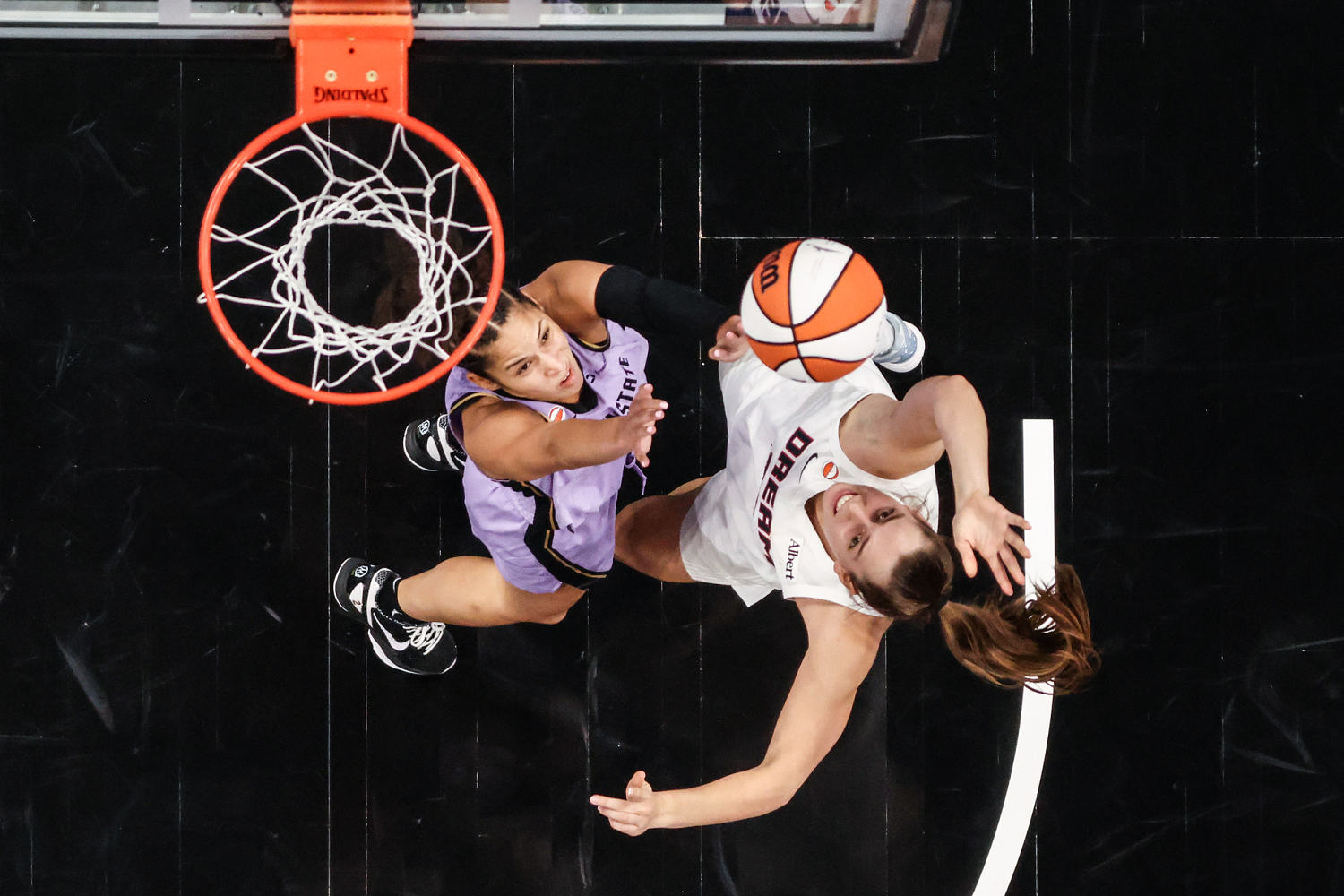
We talk constantly about the meteoric rise of women's professional basketball, record-breaking television ratings, and packed arena crowds. Yet, when the calendar gets tight, old habits die hard. A championship spotlight shouldn't have to fight for breathing room against an early-season men's game, but that is exactly what happens when priorities clash on the hardwood.
Arena sharing remains an administrative nightmare for the WNBA. When a major professional franchise shares its home floor with an NBA counterpart, the scheduling hierarchy exposes a glaring power imbalance. Major sports leagues operate within complex, overlapping windows, but treating a championship contest as a moveable piece on a chessboard sends a toxic message to fans and players alike.
The Real Cost of Venue Conflicts
You cannot scale a premier sports product while treating its marquee moments as secondary. Imagine building hype for a high-stakes title matchup, only to watch venue logistics threaten to shove the action into a smaller alternative facility or force an awkward time slot change. This isn't just about a minor inconvenience for broadcasters. It directly impacts the athletes who have grinded through an exhausting 44-game regular season plus a grueling playoff gauntlet.
When scheduling overlaps force teams out of premier arenas, ticket holders lose out on the electric atmosphere they paid to experience. A massive arena provides the infrastructure, the revenue potential, and the cultural magnitude that a championship battle demands. Downsizing to a minor venue because an arena tenant with deeper historical roots claimed the prime slot feels like a step backward for a league experiencing unprecedented expansion.
Structural Disadvantages That Persist
The root of the problem goes deeper than a single calendar glitch. Most WNBA teams still operate in the shadow of their NBA affiliates. Sharing management, corporate sponsorships, and physical venues often means the women's side takes the backseat during conflicts. Even as franchises draw sellout crowds and prove their commercial viability, arena availability is dictated by contracts signed long before the current boom took off.
Take a look at how other major sports handle overlapping postseasons. Major League Baseball manages shared stadiums or multi-sport complexes with strict contingency planning. The WNBA deserves that same operational respect. Relying on makeshift fixes, like shifting a pivotal game to a morning slot or scrambling for a smaller backup gym, hurts the product's momentum on national television.
What Needs to Change Moving Forward
Solving this crisis requires structural ambition. Leagues can no longer treat calendar overlap as an afterthought to be solved a week before tip-off.
First, franchise independence must expand. Teams securing permanent, dedicated home arenas or independent lease agreements avoid the political friction of playing second fiddle to a men's team. Second, league schedulers need to build explicit buffer windows into the postseason blueprint. Leaving zero margin for error in a best-of-seven series is a recipe for disaster.
The growth we are seeing across women's basketball is real, loud, and permanent. The infrastructure supporting it has to catch up. Treat the championship like the premier event it is, or watch the calendar dictate a narrative the sport has long outgrown.