You can survive a roster lacking elite depth. You can even weather a storm of injuries across your offensive line and defensive front. What you cannot survive in the modern National Football League is self-inflicted chaos when the game hangs in the balance.
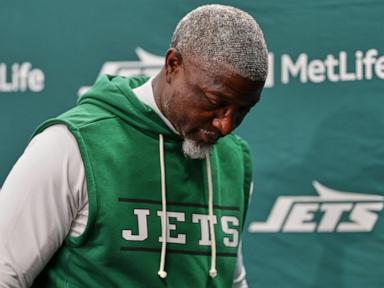
For the New York Jets and head coach Aaron Glenn, late-game execution has turned into an ongoing tragedy. Sitting at a dismal 2-5 following a 28-25 loss to the previously winless Miami Dolphins, the franchise is facing familiar demons. Every week seems to bring a fresh masterclass in squandering opportunities, mismanaged timeouts, and catastrophic two-minute drills. Fans are left screaming at their televisions while the coaching staff scrambles for explanations.
Let's look at what is actually going wrong behind the scenes and why these operational failures keep piling up.
The Cost of Botched Clock Management
Football games are rarely decided solely by raw talent. Margin of error shrinks to millimeters in the final two minutes of either half. That is precisely where Aaron Glenn’s squad keeps imploding.
Take the early-season overtime loss to the Green Bay Packers. With the clock winding down and the game hanging by a thread, Glenn elected not to burn his remaining timeouts while the opponent ran down the clock. The decision baffled analysts and players alike. Instead of preserving precious seconds or forcing an immediate punt, the sequence dragged out into a comedy of errors that gifted Green Bay unexpected breathing room and a free play before regulation expired.
Fast forward to the Miami matchup, and the script remained identical. Trailing late, Glenn opted to hold onto his timeouts, trusting a gassed defense to make an immediate stop. They didn't. The Dolphins carved up the secondary and marched into the end zone. Glenn later admitted he banked on getting the ball back quickly, but hoping for a stop without stopping the clock is a losing strategy.
When you refuse to use the tools the rulebook gives you, you aren't playing aggressive football. You're just gambling with loaded dice against yourself.
Offensive Coordinator Decisions That Defy Logic
Clock errors are only half the battle. The offensive play-calling under coordinator Frank Reich has added fuel to the fire, particularly inside the red zone.
During the loss to Miami, the Jets found themselves staring at first-and-goal at the 1-yard line in the fourth quarter while down 21-14. Any rational observer expects a high-percentage play or a quick strike to punch it in. Instead, New York dialled up a run to fullback Andrew Beck—who had zero carries on the season—resulting in a loss of a yard. Another stuffed run followed, followed by a crushing sack on third down.
A golden opportunity to tie the game evaporated into a mundane field goal. When your situational play-calling treats the 1-yard line like a brick wall, you're fighting your own playbook.
The Disconnect Between Practice and Performance
Glenn insists that the team drills two-minute situations religiously during weekly practices. He maintains that the staff manufactures high-pressure scenarios in training so players know how to react when the stadium lights are blinding.
Yet, practice ghosts rarely match Sunday reality.
When communication breaks down on the field, it trickles down from the sideline. Players look hesitant. Route combinations take too long to develop. Linemen miss assignments because the play call comes in late through the headset. By the time the quarterback gets everyone aligned, the play clock is melting away, forcing panic snaps or burned timeouts that the team desperately needs later.
If you practice execution all week and fail on Sunday, the issue isn't the players' effort. The issue is how information translates from the whiteboard to a deafening stadium environment.
The Heavy Burden of a Losing Culture
At 5-19 overall during his tenure, Glenn is sitting firmly on the hottest seat in football. Losing breeds tension, and tension breeds public frustration.
We saw that boiling point when star wide receiver Garrett Wilson expressed visible sideline exasperation after being shut out of the target sheet until the third quarter. While Glenn brushed it off as overblown media noise, a frustrated No. 1 receiver is a symptom of a stagnant offense. When you cannot get the ball to your best playmakers early and often, the entire unit looks out of sync.
Compounding matters is a mounting injury list. Losing foundational pieces like running back Breece Hall and offensive lineman Dylan Parham for extended stretches exposes every single flaw in your depth chart. But good coaching is supposed to mask deficiencies, not highlight them.
Where the Jets Go From Here
Fixing a broken two-minute offense and cleaning up basic operational errors requires more than just post-game platitudes. Glenn has to strip down his decision-making process.
First, the coaching staff needs to streamline sideline communication. Simplify the verbiage if necessary to ensure snaps happen with seconds to spare, eliminating delay penalties and panic timeouts. Second, trust your playmakers. Wilson needs early touches to keep defenses honest, rather than garbage-time targets when the game is already slipping away.
Time is running out on this coaching staff. If the clock continues to run out on Aaron Glenn's tenure, it will be because he never figured out how to make time work for him instead of against him. Take immediate steps to simplify the operation, trust the math of the game clock, and stop handing opponents free wins.