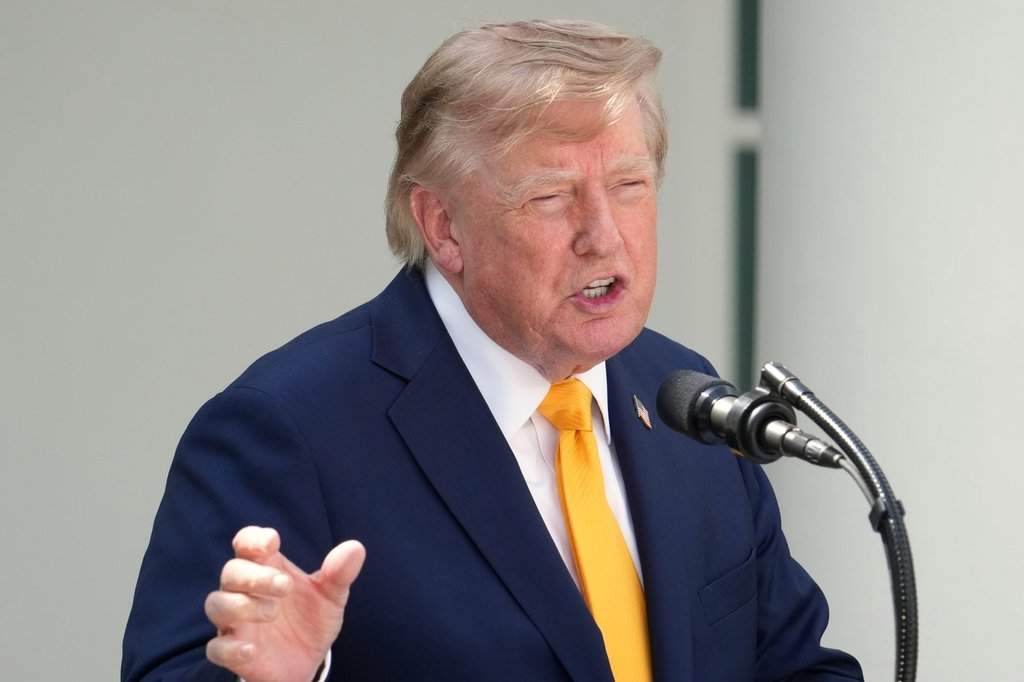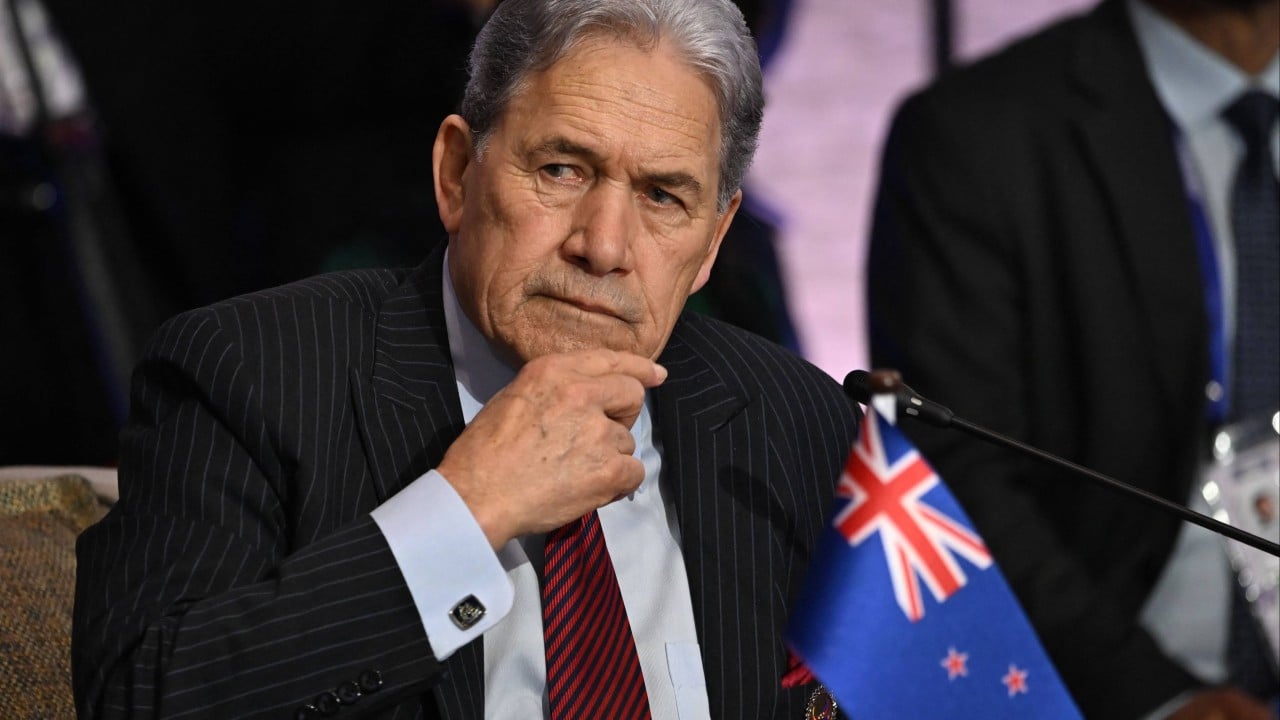
Words matter. When you are the foreign minister of a sovereign nation, they matter exponentially more. New Zealand First leader Winston Peters just learned this lesson the hard way, transforming a standard parliamentary shouting match into an international diplomatic crisis with Beijing.
If you missed the initial fireworks, the setup was simple. During a stormy session in New Zealand's parliament, Peters traded verbal jabs with Green MP Lawrence Xu-Nan. Goaded by heckling, Peters snapped. He told Xu-Nan, who was born in Tianjin and has lived in New Zealand since the mid-1990s, to "go back to your own country."
Politicians argue daily. Parliaments get loud. But telling a Chinese-born lawmaker to leave does not stay inside the House. It bleeds straight into foreign relations.
The Diplomatic Escalation
Beijing didn't stay quiet. China’s embassy in Wellington stepped in, lodging formal "solemn representations" with the Ministry of Foreign Affairs and Trade. They called out the remarks as negative China-related comments targeting the local Chinese community.
China's ambassador to New Zealand, Wang Xiaolong, posted online that statements often say more about the speaker than anyone else. He added that Beijing has zero interest in interfering with local domestic politics.
Did Peters apologize? Not a chance. That is not how Winston Peters operates.
Instead, he doubled down hard. He fired back on social media, claiming the ambassador's reaction proved his point. He told critics to compare New Zealand's parliament with communist and dictatorship systems if they want to see a lack of freedom. Prime Minister Christopher Luxon distanced himself from the outburst, noting that Peters has a decades-long history of attention-seeking comments designed to shift the news cycle.
The Real Cost of Parlour Room Slurs
Beneath the political theatre sits a critical issue. New Zealand relies heavily on trade with China. Bilateral economic ties require careful navigation, not casual xenophobic tropes tossed out during a weak moment in question time.
Lawrence Xu-Nan called it out accurately: politicians using migrant communities as scapegoats to dodge accountability. When domestic political frustration boils over into anti-immigrant rhetoric, the fallout damages social cohesion at home and trade partnerships abroad.
You cannot separate a foreign minister's rhetoric from his portfolio. When Peters tells someone to go back where they came from, foreign capitals listen. They note the casual hostility. They question whether it reflects broader national sentiment.
Where This Leaves Wellington and Beijing
Diplomatic dust-ups take months to clear. New Zealand’s government now has to repair the bruising. Trade officials hate surprises. Ambassadors hate public spats on social media.
If you want to understand modern politics, look past the theatre. Watch how quickly a careless insult from a podium disrupts trade supply chains and minority safety. Words have weight. Ignoring that reality is a luxury no diplomat can afford.