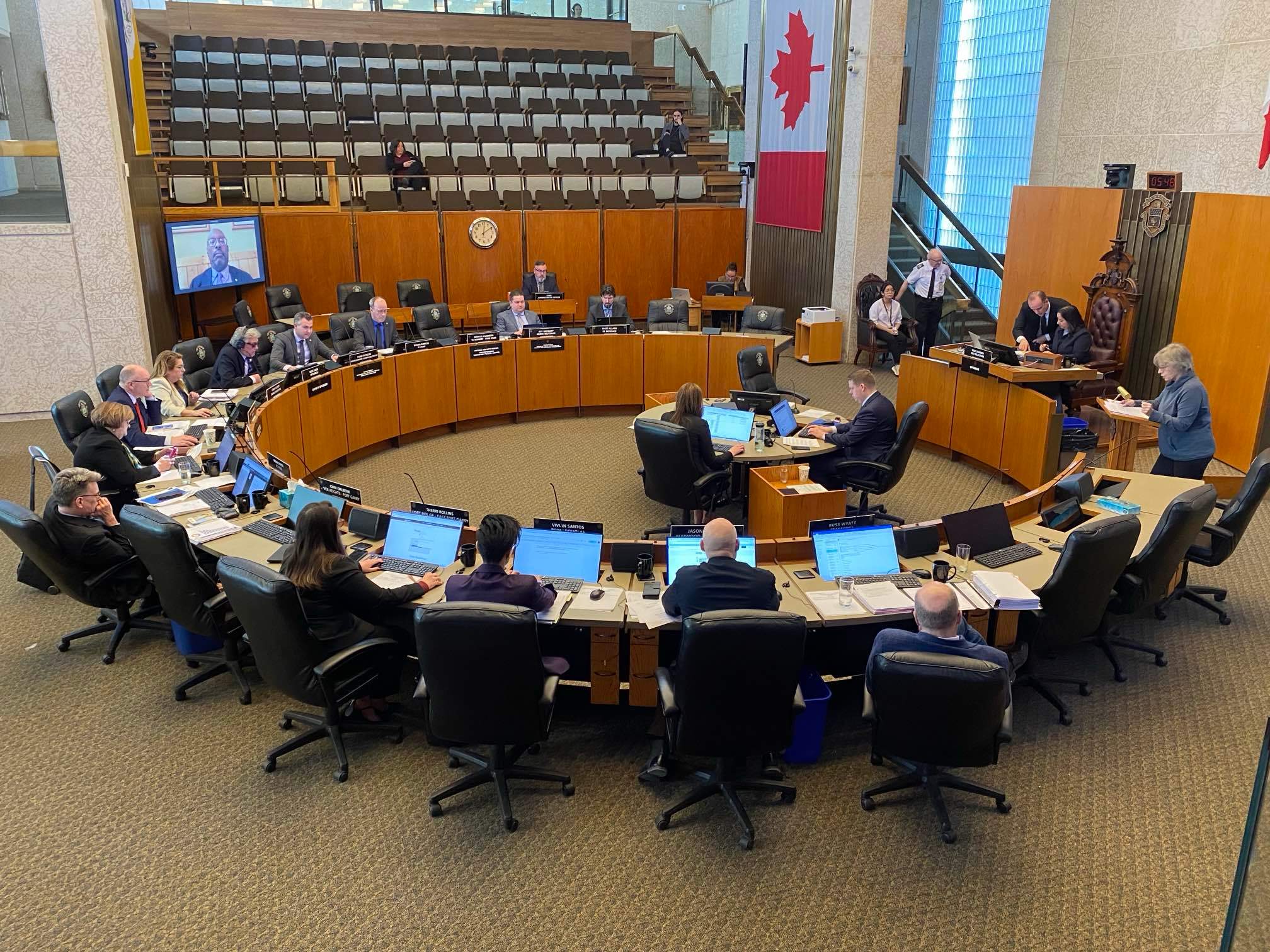
Voter apathy in Winnipeg isn't an accident. It's a rational response to a system that feels broken. When half the city stops showing up to the ballot box, politicians love to blame lazy citizens. But the real issue runs much deeper than a lack of civic pride.
Recent polling and historical election data reveal a harsh reality. Turnout in Winnipeg civic elections has plummeted from 50 percent in 2014 down to 42 percent in 2018, and crashing further to 37.5 percent in 2022. As the next election cycle unfolds, surveys show widespread disengagement. People aren't just tired; they're convinced their votes won't change anything.
Why Municipal Voting Numbers Keep Dropping
You can trace the drop in turnout directly to voter exhaustion and fiscal reality. Local governments operate with tight budgets and massive infrastructure deficits. When city hall faces deep financial constraints, elected officials often claim their hands are tied.
Aaron Moore, a political science professor at the University of Winnipeg, points out the obvious disconnect. People look at a cash-strapped municipal government and wonder why they should care. You can vote, but if the city can't afford to fix the roads or fund community programs anyway, what's the point? That sense of futility kills participation faster than bad weather on election day.
Leadership satisfaction plays a massive role too. Polling released by Probe Research and Abacus Data on behalf of the Winnipeg Free Press showed that nearly half of Winnipeggers didn't want Mayor Scott Gillingham to secure a second term. Yet, Gillingham won the 2022 mayoral race with just 27.54 percent of the vote, narrowly beating Glen Murray who sat at 25 percent. When a mayor wins on a fraction of the total electorate, a massive portion of the population feels unrepresented right from day one.
The Cost of Feeling Ignored
Voters stay home when they feel alienated by major municipal decisions. Think about high-profile urban debates like the reopening of Portage and Main. When residents feel strongly opposed to costly municipal projects or administrative directions, but watch city council push forward anyway, trust evaporates.
Voter fatigue builds up over years of broken promises and property tax hikes that outpace service improvements. People juggle rising grocery bills, housing costs, and property taxes. By the time October rolls around, municipal politics feels like a distant priority compared to surviving the week.
Can Winnipeg Fix Its Turnout Crisis?
Fixing local democracy requires more than get-out-the-vote ad campaigns. Slapping up posters or running social media reminders won't cut it when the root problem is structural cynicism.
To bring voters back, local politicians have to prove that municipal decisions directly impact daily life in tangible, positive ways. They need to address community concerns transparently instead of hiding behind bureaucratic walls. Until voters believe their voice actually shifts the needle at City Hall, low turnout will remain the standard.
If you want to change how your city operates, tuning out only hands more power to the status quo. Change starts at the local level, even if the system makes it hard to care.