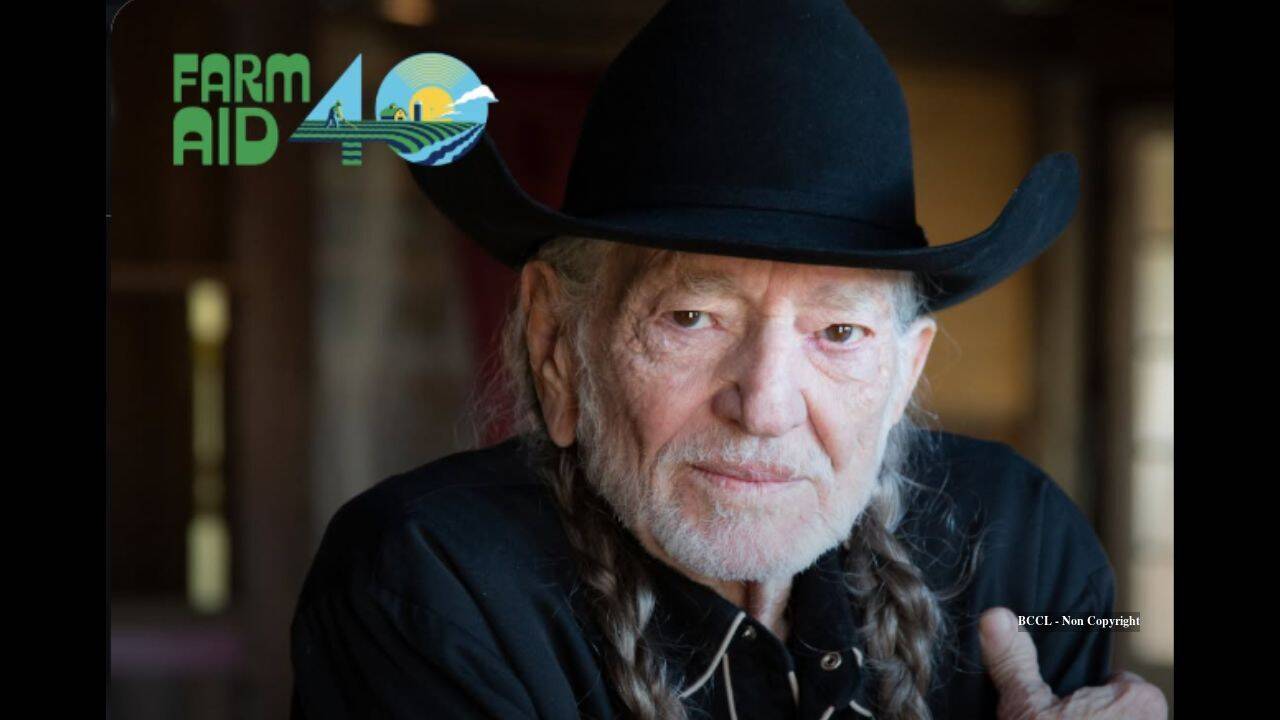
Back in 1985, American family farms were bleeding out. Plummarising commodity prices, predatory bank foreclosures, and crushing interest rates pushed rural communities to the absolute brink. Into that chaos stepped Willie Nelson, Neil Young, and John Mellencamp with a wild idea: put on a massive concert, hand the microphone directly to the growers, and raise money to keep people on their land.
Four decades later, that single concert morphed into an institution. Farm Aid has quietly pulled in more than $90 million to support agricultural communities, proving that pop culture staying power can actually fight systemic corporate agricultural pressure. But if you think Farm Aid is just a nostalgia trip for classic rock fans, you're missing the entire point of what the organization has become today.
The Real Crisis Behind the Music
Most people look at Farm Aid as a rolling benefit concert, but the operational reality runs much deeper. When Nelson, Young, and Mellencamp organized that first Champaign, Illinois show, they weren't just trying to write quick charity checks. They were sounding an alarm about the industrialization of food production.
The underlying problem hasn't gone away—it's just changed shape. Today, independent producers aren't just fighting bad weather and market volatility; they're squeezed by corporate consolidation, soaring equipment costs, and land loss. When you watch recent iterations, like the massive turnout in Virginia Beach, you realize the festival acts as an active pressure valve. It connects everyday consumers directly with the people managing the soil, cutting through the corporate marketing gloss of modern supermarkets.
How the Artist-Run Model Actually Works
You don't survive for over forty years in the non-profit world without a bulletproof operational philosophy. Farm Aid operates on a principle that most modern charities ignore: the artists donate their time entirely. Performers like Dave Matthews, Margo Price, and Nathaniel Rateliff don't just show up to sing hits and collect a check. They act as board members and cultural amplifiers, keeping mainstream eyes fixed on rural issues that cable news usually ignores.
Look at how the events are structured. Before a single guitar chord echoes across the stage, actual growers take the microphones at press briefings and workshops. They talk about policy, land access, and mental health. That commitment to giving farmers the literal final word separates Farm Aid from corporate greenwashing campaigns.
Grassroots Impact Versus Empty Corporate Sympathy
Raising over $90 million sounds impressive on paper, but the real value is found in the emergency grants, legal hotlines, and advocacy networks funded by those dollars. When a family farm faces sudden foreclosure or legal sabotage, money from these campaigns acts as immediate triage.
Beyond emergency funding, the festival changes how everyday folks think about what they eat. Programs like HOMEGROWN Concessions force massive event venues to source ingredients directly from local co-ops and small-scale producers. When thousands of concertgoers eat food grown down the road instead of shipped across continents, it proves that local supply chains are entirely viable at scale.
What You Can Do Right Now
You don't need a headlining tour or millions of dollars to make a difference in your food system. Stop outsourcing your grocery choices entirely to giant corporate conglomerates. Seek out local farmers' markets, support regional food hubs, and pay attention to agricultural policies happening in your own state legislature. Real food security starts locally, long before any stadium lights turn on.