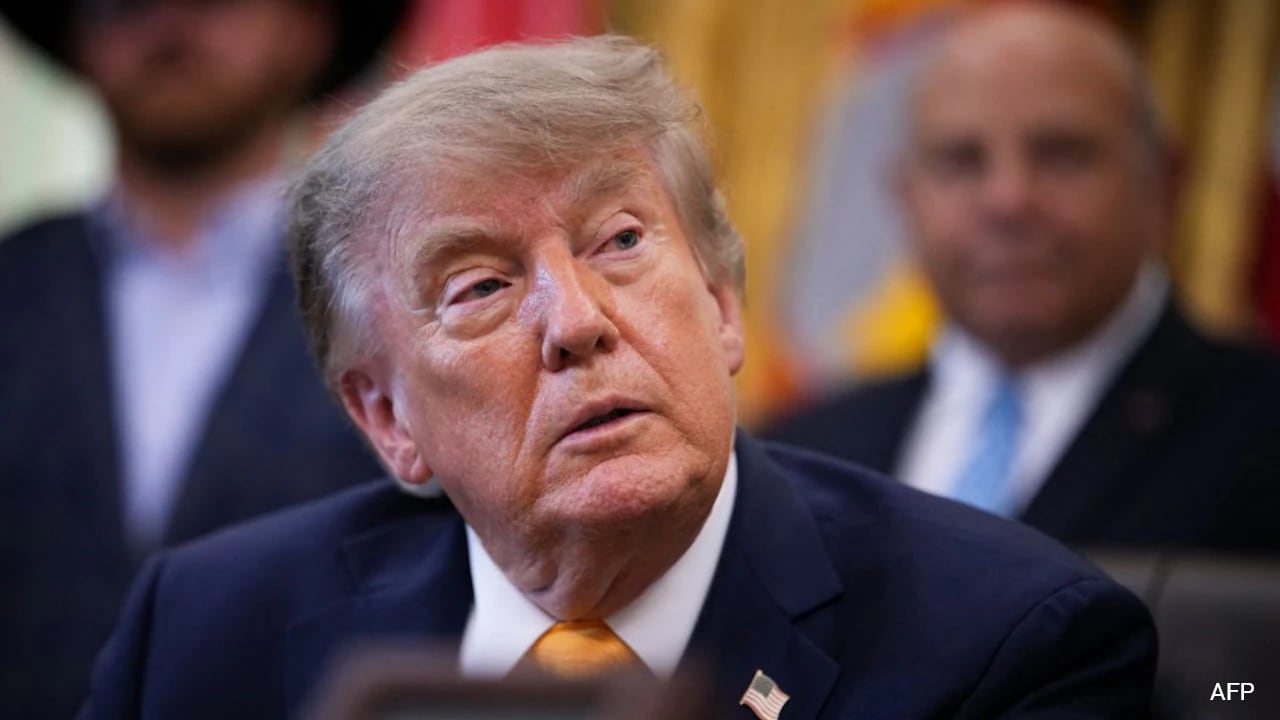
When a presidency tries to muzzle the press, the fallout is rarely quiet. Donald Trump just learned this the hard way. By banning CNN, MS NOW, and Politico from White House grounds and stripping away their press passes, the administration triggered an unprecedented media blackout and a fast-tracked federal lawsuit.
Major US networks including ABC, CBS, NBC, Fox News, and CNN took a rare stand. They halted shared television pool coverage. That means no live feeds of high-profile foreign visits or international summits. The administration wanted to punish outlets over cumulative critical reporting. Instead, they united an often-fractured media landscape into a singular defensive front. Discover more on a similar issue: this related article.
Here is what most casual observers miss about this high-stakes showdown. This battle isn't just about hurt feelings or political insults. It is a direct constitutional clash over the boundaries of executive power and the First Amendment.
Why This White House Ban Is Different
Past administrations complained about coverage constantly. They leaked against reporters, shouted down journalists, and fumed over negative headlines. But revoking permanent hard passes and locking specific organizations out of the White House entirely crosses a very bright legal line. Further reporting by Al Jazeera delves into similar perspectives on the subject.
Previous court rulings have established a clear precedent. Once a government opens a press facility, it cannot arbitrarily kick out organizations simply because it dislikes their editorial stance. That is why the legal strategy deployed by CNN, MS NOW, and Politico moved so quickly. They filed for a temporary restraining order, arguing that viewpoint-based exclusion violates constitutional protections.
Trump doubled down on Truth Social, describing the targeted organizations as a "cancer" on the nation. Vice President JD Vance defended the move by arguing that the companies can still report from elsewhere. They just lost their coveted office space.
That argument misses the practical reality of modern reporting. White House access is the bedrock of accountability journalism. Restricting physical grounds changes the entire dynamic of how information reaches the public.
The Cost of the Media Blackout
The timing of this revolt could not be worse for the White House. With foreign dignitaries visiting and critical midterm elections looming, the administration relies on mainstream broadcast optics to manage its message.
By pulling out of the pool rotation, the major networks starved the executive branch of its standard distribution pipeline. When Trump cut the ribbon on a new South Lawn helipad, the public didn't get the crisp, professionally managed broadcast feed they normally expect. They got a muted, independent stream on a government website. Photojournalists delayed releasing images in solidarity.
This mutual freeze shows a shifting power dynamic. Broadcasters realize that submission to exclusion sets a dangerous precedent. If three outlets can vanish today, any network could be next tomorrow.
What Happens Next in Court
A federal district judge scheduled a fast-tracked hearing to address the restraining order request. Win or lose, the legal battle guarantees months of friction over executive overreach.
The administration faces deep political headwinds right now, including sliding approval numbers and ongoing foreign policy pressures. Alienating the entire press corps might feed a specific political base, but it creates a logistical nightmare for day-to-day governance.
When you shut out independent watchdogs, you don't stop the news. You just force the story to be written entirely from the outside looking in.