The debate over White House press credentials just escalated into a high-stakes constitutional showdown. When the Justice Department tells a federal court that entering the executive mansion is a privilege rather than a right, the rules of political reporting shift dramatically.
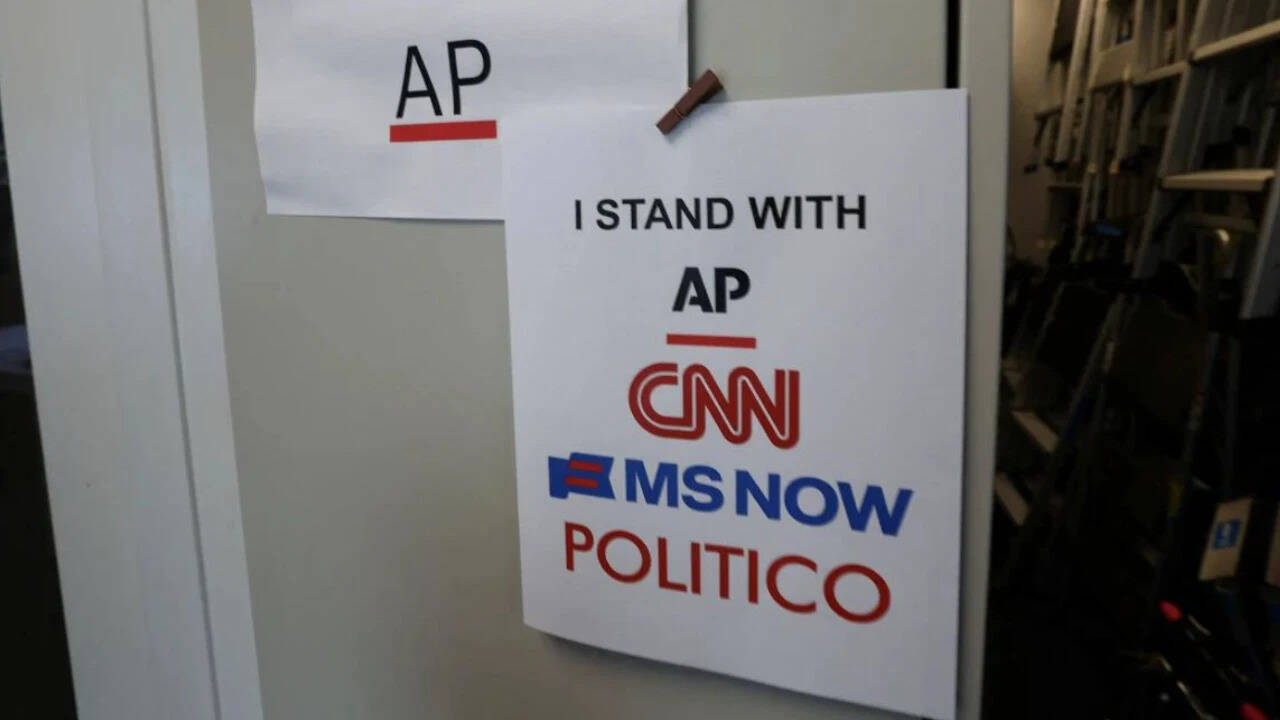
Donald Trump's administration didn't mince words in its recent court filings. By revoking the hard passes of major media organizations like CNN, MS NOW, and Politico, the executive branch drew a hard line. The justification rests on national security and basic professional standards. Officials argue that publishing sensitive details about secret infrastructure, such as subterranean bunkers or military supply stocks, crosses a dangerous boundary.
You cannot treat government workspaces like public sidewalks. That is the core argument driving the administration's legal defense.
What the Justice Department Is Claiming
The legal strategy relies heavily on presidential authority. The DOJ maintains that the First Amendment does not grant journalists an automatic pass to secure government properties. Past rulings support the idea that presidents hold broad discretionary control over who enters executive facilities.
According to government lawyers, leaking classified details or sensitive defense data violates the code of conduct expected of credentialed reporters. The administration points to specific coverage regarding missile-defense inventories and security improvements as direct threats to operational safety.
Critics see things differently. Media outlets fighting the restrictions argue that the administration uses national security as a convenient shield to punish critical reporting. When access gets tied to editorial approval, the line between security and censorship starts to blur.
The Ripple Effect on Newsrooms
The fallout extends far beyond a few revoked badges. Major television networks, independent journalists, and photography pools have altered their daily routines. Some networks scaled back live broadcasts from the grounds entirely. This defensive posture shows how quickly administrative decisions can choke the flow of daily information.
Federal courts have stepped into similar disputes before. Past presidential administrations learned that stripping credentials arbitrarily often runs into due process roadblocks. District Judge Timothy Kelly faces a tight timeline to decide whether these specific hard passes must be reinstated while the larger lawsuit moves forward.
The Bigger Picture for Press Freedom
This clash highlights a growing tension in modern governance. Where does executive secrecy end and public accountability begin? Journalists argue that tough oversight requires digging into sensitive topics. The executive branch counters that modern journalism sometimes crosses into exposing vulnerabilities that adversaries can exploit.
As digital media shifts how news gets gathered and distributed, traditional access rules look increasingly outdated. Hard passes used to mean simple background checks and basic security clearance. Now, they function as political pressure points.
The emergency hearings will set a powerful precedent. If an administration can pull press credentials based on disagreement over national security reporting, future administrations will likely follow suit.
Review the court filings yourself. Watch how the upcoming judicial decisions unfold. The outcome will redefine how the press covers the executive branch for years to come.