Overnight raids on Palestinian villages in the West Bank left charred cars, scorched walls, and a raw political fight over Jewish terrorism inside Israel's fractured parliament.
I couldn't pull up the full text of the original Al Jazeera story directly, though I tracked the breaking coverage around it from late November 2026 across outlets like Reuters, The Guardian, The Times of Israel, and The Media Line. What stands out isn't just the damage on the ground in communities like Kafr Malik, Deir al-Sudan, and Deir Abu Mash'al. It's how fast a wave of arson turned into a proxy battle over who controls Israel's next government after the inconclusive October 27 election. Don't forget to check out our recent post on this related article.
If you're searching for what happened, why top Israeli politicians suddenly used that blunt phrase, or where coalition talks stand right now, the short answer is simple. Violence in the West Bank isn't new, yet calling it "Jewish terrorism" out loud right now carries heavy coalition math behind it.
Why Jewish Terrorism Became a Coalition Flashpoint
Let's be honest. Words matter in Israeli politics, especially when a government hasn't been formed weeks after an election. If you want more about the background here, NBC News provides an excellent summary.
Following overnight attacks on Saturday, November 21 into Sunday, November 22, 2026, Yashar party leader Gadi Eisenkot—tasked with trying to build a governing coalition—called the arson and property destruction "Jewish terrorism in every sense of the word." He pointed straight at far-right ministers Itamar Ben-Gvir and Bezalel Smotrich, accusing them of pushing the West Bank toward anarchy. B'Yachad leader Naftali Bennett echoed the condemnation, calling it "despicable Jewish terrorism" and blaming the outgoing caretaker government led by Benjamin Netanyahu for turning a blind eye. On Monday, November 23, President Isaac Herzog also denounced extremist violence in the West Bank as "despicable" at the ELNET Jerusalem conference.
That sounds like a moral consensus on paper. In reality, it's a high-stakes political squeeze.
- Coalition leverage: Without Netanyahu's prior majority, Eisenkot faces tough arithmetic in the 120-seat Knesset and has to weigh how his language plays with potential partners, including Arab parties and centrist or right-leaning factions.
- Far-right pushback: National Security Minister Itamar Ben-Gvir dismissed Eisenkot's criticism as political pandering aimed at winning support from Arab lawmakers, while settlement leaders such as Binyamin Regional Council head Yisrael Ganz argued that politicians were broad-brushing an entire community over the acts of extremists.
- Security vs. impunity: Critics, including Eisenkot and former Shin Bet head Avi Dichter, argued that tools like administrative detention and targeted security operations need to be used against violent perpetrators, whereas Bennett accused outgoing officials of canceling detention orders for political gain.
A mistake people often make when reading headlines like this is assuming a strong speech from an opposition leader or president automatically changes enforcement on the ground. Anyone who has watched West Bank security policy over the years knows there's a big gap between rhetorical outrage in Jerusalem and arrests or convictions in the field. Speeches don't put out fires or restore trust overnight.
What Happened on the Ground in the West Bank
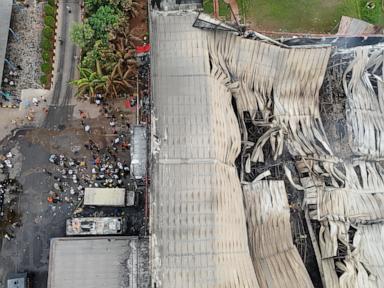
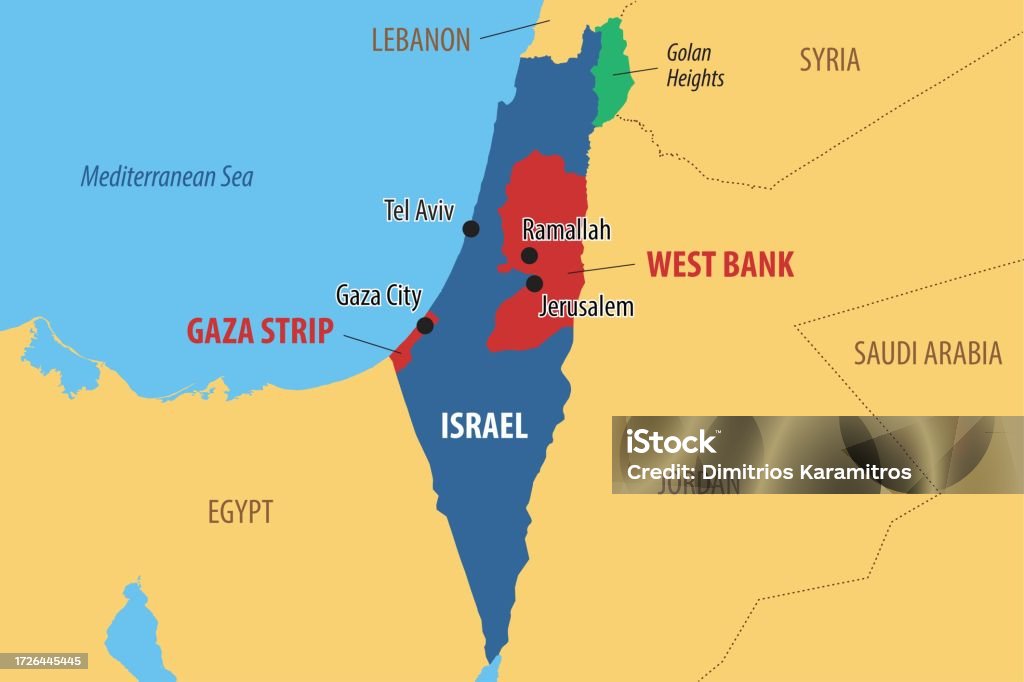
According to reporting from Reuters, The Guardian, The Times of Israel, and Middle East Monitor, attackers hit multiple West Bank communities overnight into Sunday, November 22, 2026, including Kafr Malik, Deir al-Sudan, and Deir Abu Mash'al, with reports of incidents across several locations in the central, northern, and southern West Bank. Roughly a dozen vehicles and several homes or structures were reported set ablaze or damaged, alongside Hebrew graffiti scrawled at scenes—including slogans referencing revenge and a recently evacuated outpost—with no injuries reported in the immediate arson accounts while police opened investigations.
That detail—no injuries reported in those specific overnight arson accounts, yet heavy property damage and menacing slogans—captures the grim pattern of recent months. Even when attacks don't cause mass casualties in a single night, burning cars and homes right next to residential streets terrorizes families, disrupts daily life, and deepens cycles of retaliation.
The Bigger Picture Behind the Headlines
You can't make sense of this week's flare-up in isolation. It sits right at the intersection of domestic Israeli coalition gridlock, long-running West Bank friction, and shifting international pressure.
In Washington, incoming U.S. House Speaker Hakeem Jeffries—a New York Democrat—indicated in late November 2026 that he plans to push sanctions legislation targeting violent settlers early in the next congressional term, as reported by The Media Line and SAJR. That adds external diplomatic heat just as Israeli parties are arguing over who leads next and whether Netanyahu's bloc can hold together. Meanwhile, talks between Likud and Eisenkot's Yashar party stalled without a breakthrough, leaving Israel's political future unresolved and raising the risk of deadlock or another vote if no majority emerges.
Here's where I differ from folks who treat this purely as a right-versus-left culture war. Yes, ideology and settlement policy drive a massive part of the dispute. Still, security officials and centrist politicians frequently frame extremist violence around state authority and national interest—arguing that lawlessness weakens the rule of law, strains ties with allies, and complicates military and policing priorities. Whether you agree with their framing or not, understanding that pragmatic argument helps explain why figures like Eisenkot, Bennett, and Dichter use sharp language while still defending the broader settlement enterprise or Israeli security interests in their own ways.
What Readers Often Miss About West Bank Reporting
When you scan breaking coverage on the West Bank, a few nuances get lost fast:
- Terminology isn't neutral: Words like "Jewish terrorism," "rioters," "settlers," or "occupiers" reflect distinct political and editorial frameworks. Paying attention to who uses a term—and for what audience—tells you as much about the speaker as the event.
- Investigations vs. accountability: Police announcing an investigation is a routine first step, not proof of prosecution. Rights groups and journalists have long noted low conviction rates in settler-related attacks, which is why critics keep demanding stronger enforcement rather than press statements.
- Politics shapes timing: Condemnations spike sharply during coalition negotiations or ahead of diplomatic pushback, such as talk of U.S. sanctions or Knesset committee battles.
Practical Ways to Follow This Story Without Getting Played
If you want to stay informed on West Bank developments and Israel's coalition standoff without getting whiplash from partisan spin, a few habits help a lot.
- Cross-check primary and regional sources: Compare reporting from Israeli outlets (like The Times of Israel or Haaretz), international wires (like Reuters or AP), and regional coverage (like Al Jazeera or Middle East Monitor) to separate verified facts—such as locations hit and official statements—from editorial framing.
- Track coalition milestones, not just soundbites: Watch concrete Knesset developments, party negotiations, and cabinet or committee actions rather than relying solely on social media posts from politicians vying for leverage.
- Look for follow-up on enforcement: Whenever a wave of arson or vandalism draws vows of a crackdown, check back a week or two later to see if arrests, indictments, or detention orders actually followed.
Stay grounded in verified reporting, watch who holds real levers of power, and don't mistake a loud political clash for a settled outcome.