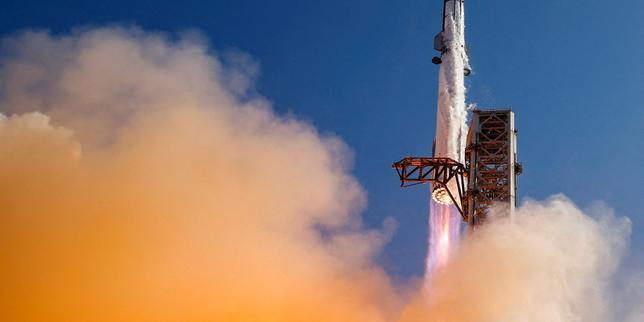
Rockets are tearing through the atmosphere at an unprecedented rate, and Washington wants to clear the runway by tossing out environmental red tape.
Transportation Secretary Sean P. Duffy announced a sweeping new framework proposed by the U.S. Transportation Department and the Federal Aviation Administration. The goal? Granting waivers from major environmental reviews for commercial rocket launches and spaceport operations. If enacted, this policy shift allows federal authorities to bypass requirements rooted in 13 major statutes, including the National Environmental Policy Act, the Clean Air Act, the Clean Water Act, and the Endangered Species Act. Recently making headlines lately: Why Big Oil Bosses Are Cashing Out While You Pay More At The Pump.
Commercial spaceflight isn't a sleepy science experiment anymore. It's a high-stakes, multi-billion-dollar market. Federal forecasts project that operations could scale toward thousands of total events over the coming decade, up sharply from historical baselines. Companies like SpaceX, Rocket Lab, and Blue Origin are driving a massive surge in orbital activity. For years, founders and executives have complained that environmental assessments can stretch past a full year, creating expensive bottlenecks that stall innovation.
Washington's argument rests entirely on geopolitical urgency and speed. Proponents claim that America needs to outpace international rivals, specifically China, in the modern space race. By removing administrative obstacles, private operators can scale up their launch cadence without waiting for lengthy bureaucratic green lights. More information into this topic are covered by CNBC.
The Battle Lines Are Forming
Conservation groups and legal watchdogs are pushing back hard against the proposed framework. Organizations point out that frequent rocket launches and satellite re-entries release massive quantities of pollutants directly into the upper atmosphere. Studies suggest that burning remnants from defunct spacecraft and heavy rocket exhaust can degrade the ozone layer and alter atmospheric chemistry.
Under the proposed rules, the FAA would hold the authority to waive statutory protections wherever administrators decide that compliance delays technological progress. While federal officials insist that core safety and public health safeguards will remain active, critics argue that gutting foundational environmental laws sets a dangerous precedent.
What Happens Next
The FAA's proposal has officially opened a brief 30-day public comment window. Industry stakeholders, legal experts, and environmental advocates are rushing to file petitions and responses before final decisions lock into place.
If you're tracking aerospace markets or environmental policy, watch how the public comment period unfolds. This regulatory pivot will redefine how fast private space corporations can build their future launch schedules.