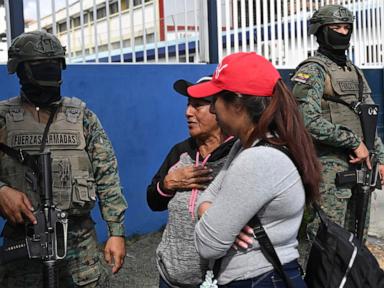
When Washington sets its sights on Latin America's drug routes, the stakes are never small. Secretary of State Marco Rubio touched down in South America with a very direct mission: lean on Colombia's new leadership to aggressively dismantle the cocaine trade. If you've been watching U.S. foreign policy shifts under President Donald Trump's second term, this hardline counter-narcotics push shouldn't come as a surprise. But the real story is how regional politics are transforming overnight to meet Washington's demands.
Colombia remains the world's largest cocaine producer, and years of soaring global demand have triggered brutal turf wars. These violent clashes routinely spill across borders into neighbors like Ecuador and Venezuela. Into this volatile mix steps Colombia's recently elected president, Abelardo De La Espriella. Unlike his predecessors, De La Espriella built his entire outsider campaign around crushing narcoterrorists. He isn't waiting around for diplomatic niceties either; he has already posted images online of slain group members inside body bags.
Washington responded to his inauguration by rolling out a $1 billion aid package and quickly enrolling Colombia into the Trump administration's new security alliance, the Shield of the Americas. Rubio's visit is designed to cash in on that alignment. The message is simple: eradicate hundreds of square miles of coca crops, deploy security forces deeper into contested territory, and tear apart financial networks.
Yet, translating political bravado into actual drug eradication is messy. Let's look at the hurdles that big-picture political strategies often ignore.
The Complicated Reality of Eradicating Coca
It sounds easy on paper. Just send in the troops, spray the fields, and burn the labs. Real life doesn't work that way.
First, there's the environmental and public health dilemma. Back in 2015, Colombia had to halt aerial fumigation of coca fields using the herbicide glyphosate following strict warnings from the World Health Organization. Ramping up forced eradication without safe, viable alternatives often drives rural farmers straight back into the arms of cartels for survival.
Second, the military hardware isn't fully equipped for the job. Experts point out that while Colombia boasts one of the most advanced militaries in the region, budget cuts have taken a toll. Their helicopter fleet has diminished, and they desperately lack modern drone protection systems. When Rubio and De La Espriella talk strategy, military capabilities and equipment shortages form the core of those behind-closed-doors negotiations.
What Comes Next for the Region
The ripple effects of this renewed pressure extend far beyond Colombia's borders. During his three-nation tour covering Colombia, Ecuador, and Peru, Rubio made it clear that the U.S. strategy involves unprecedented day-to-day joint operations with allied security forces. In Ecuador, President Daniel Noboa welcomed the get-tough approach, even earning the National Order of Merit Grand Cross for strengthening bilateral security ties. Meanwhile, newly elected Peruvian President Keiko Fujimori also joined the Shield of the Americas coalition.
Washington's stance walks a fine line. Rubio stressed that the U.S. will not take unilateral military action inside partner nations without local approval, assuring leaders that operations will respect national sovereignty. At the same time, the administration maintains that its forces will still blow up drug-smuggling vessels in international or cooperative waters when necessary.
If you want to understand where this is heading, watch the funding and the joint patrols. The Trump administration is asking Congress for tens of millions more to back these counter-narcotics efforts, and regional leaders are betting their political futures on American backing. Whether this aggressive militarization finally chokes off the global cocaine supply—or simply scatters the cartels into new, harder-to-reach territories—remains the trillion-dollar question. Keep a close eye on how local courts and regional opposition parties react as these joint operations ramp up in the coming months.