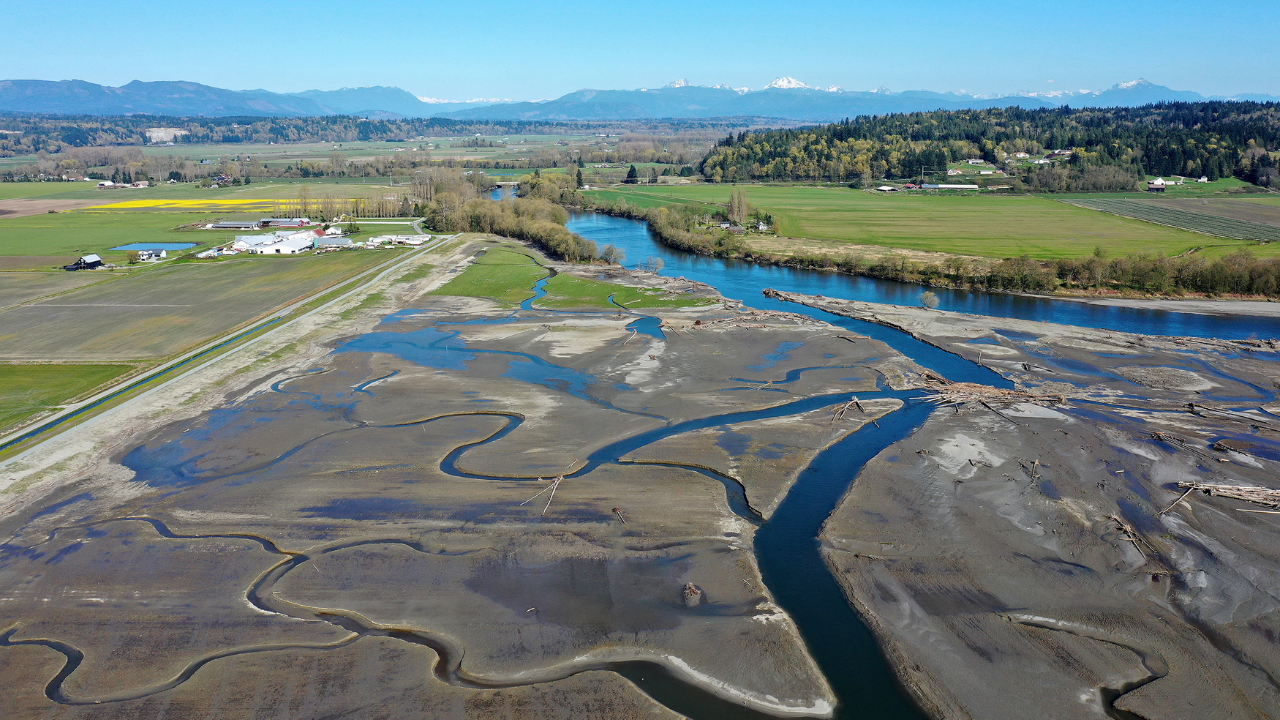
For nearly a hundred years, a massive earthen wall cut off the Nisqually River Delta from Puget Sound. Farmers wanted land, so they built the Brown Farm Dike in the early 1900s, turning rich coastal wetlands into dry agricultural fields. They locked out the tides and choked off a natural ecosystem.
Then conservationists decided to blow open the plumbing.
In autumn 2009, heavy machinery tore out 4.5 miles of those aging dikes. Water rushed back in, returning the tides to 762 acres of land at the Billy Frank Jr. Nisqually National Wildlife Refuge. It became the largest coastal wetland restoration project in the history of the Pacific Northwest.
What Happened When the Tides Came Back
You might think breaking a century-old barrier would cause chaos. Instead, the landscape healed fast. The project reopened 21 miles of historic tidal channels that had sat buried and dry for generations.
Freshwater from the Nisqually River began mixing freely with saltwater from Puget Sound again. Mudflats reappeared. High tides flooded areas that hadn't seen seawater in decades, while outgoing water carved fresh branching channels through the mud.
The primary target of this massive reset was the threatened Chinook salmon. Young salmon need calm, nutrient-rich estuarine nurseries where they can feed, grow, and slowly adjust their bodies from freshwater to saltwater before heading out into the open ocean. Before the project, more than 70 percent of the delta's historic intertidal habitat was gone.
The Quick Return of the Chinook
Did the fish notice? Immediately.
During their very first spring migration season after the breach, young Chinook salmon were found swimming straight into the newly flooded marshes. Scientists from NOAA Fisheries, the US Geological Survey, and the Nisqually Indian Tribe tracked the recovery closely.
Monitoring recorded a massive spike in available food for the young fish, including local insects and estuarine amphipods. The newly revived maze of channels gave small salmon places to hide from hungry predators while they grew stronger. Restoring those 762 acres brought back over 80 percent of the river's historic estuarine marshland in one fell swoop.
Migratory waterfowl traveling along the Pacific Flyway also found a brand new stopover habitat.
Why This Restoration Project Matters Today
The Nisqually Delta project isn't just an isolated environmental feel-good story. It serves as a blueprint for coastal resilience all along the West Coast.
Climate change and rising sea levels mean coastal communities face constant flooding threats. Man-made sea walls often fail or make erosion worse. The Nisqually success proves that natural marshes can absorb water, trap sediment, and store carbon effectively when you just give the ocean its room back.
Fisheries managers look at those 21 miles of reopened channels today when trying to figure out how to rebuild crashing wild salmon runs across the region. You can't just stock fish into broken rivers and hope for the best. You have to fix the environment they evolved to use.
If you want to support similar watershed restorations, look into local tribal partnerships and river conservation groups working on barrier removals in your own region. Supporting dam and dike removal initiatives gives native species a fighting chance to recover on their own terms.