Can a country that shielded the world's most wanted terrorist really serve as an honest broker for peace?
That's the fiery question echoing through the halls of the US Capitol right now. US Senator Rick Scott didn't hold back, launching a scathing critique of Pakistan's self-appointed role as a mediator in the ongoing ceasefire talks between the United States and Iran. For Washington, the skepticism runs deep, and the wounds of past betrayals are wide open. Don't miss our earlier article on this related article.
Pakistan wants to position itself as a neutral, stabilizing force in a volatile Middle East. But critics like Scott argue that Islamabad's history makes it entirely unfit for the job. By dragging up the ghost of Osama bin Laden, US lawmakers are sending a clear signal. They don't buy Pakistan's peacemaker act.
The Ghost of Abbottabad and the Iran Question
The core of the outrage stems from a fundamental issue of trust. Senator Scott bluntly reminded the public that Pakistan is the "nation that hid Osama bin Laden." He went on to argue that Islamabad is no better qualified to handle delicate US-Iran negotiations than Qatar, a nation frequently criticized by US hawks for harboring Hamas leadership. To read more about the context here, USA Today offers an in-depth summary.
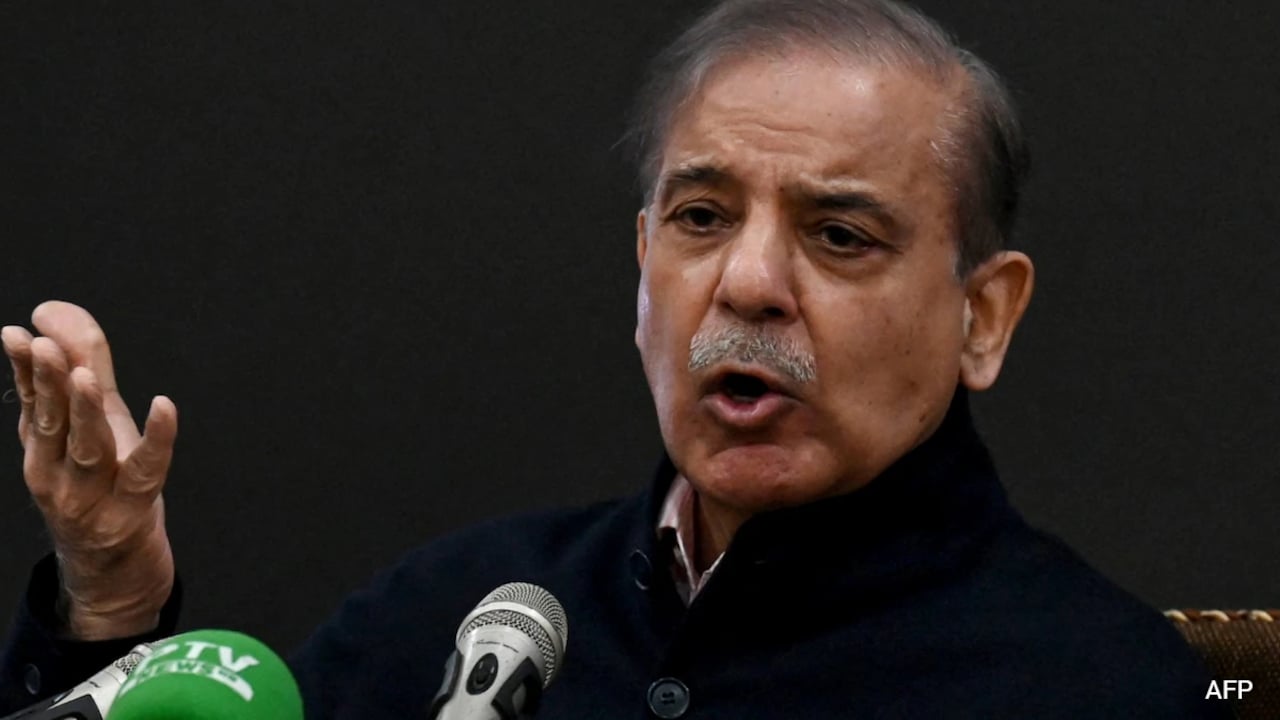
The immediate trigger for this diplomatic backlash was Pakistani Prime Minister Shehbaz Sharif's recent rhetoric. Following the death of Iran's Supreme Leader Ayatollah Ali Khamenei, Sharif praised the late leader as a great scholar. More importantly, he pledged absolute unity between Pakistan and Iran under all circumstances.
For US lawmakers, you can't claim to be an unbiased mediator while simultaneously pledging unconditional alignment with one side of the conflict. It's a massive contradiction. It completely undermines the neutrality required to broker a high-stakes international ceasefire.
A History of Double Games
This isn't just about harsh words. It's about a long pattern of behavior that has left Washington deeply cynical. For decades, Pakistan played a delicate balancing act with the US, receiving billions in security assistance while turning a blind eye to—or actively supporting—militant networks. The discovery of bin Laden living comfortably near a top Pakistani military academy in 2011 was the ultimate breaking point.
Now, look at the current geopolitical map.
- The Abraham Accords. US President Donald Trump has pushed for regional mediators to embrace these normalization agreements with Israel. Pakistan, through figures like Defense Minister Khwaja Asif, has flatly refused, maintaining its long-standing refusal to recognize Israel.
- Military Cooperation. US lawmakers like Senator Lindsey Graham have previously flagged reports of Iranian military assets utilizing Pakistani airspace or facilities during regional flare-ups.
- The Chinese Influence. Pakistan's diplomatic pushes are heavily backed by Beijing, adding another layer of geopolitical suspicion for US policymakers who view China as their primary global rival.
Why Pakistan Wants the Job Anyway
If the US is this skeptical, why is Islamabad pushing so hard to sit at the negotiator's table?
Frankly, it's about image rehab and economic survival. Pakistan's economy has been on life support for years, heavily reliant on IMF bailouts and foreign loans. Acting as a global peacemaker is a classic strategy to boost diplomatic leverage. If you make yourself indispensable to the global security framework, it's much harder for international bodies to isolate you financially.
Islamabad has successfully played the intermediary before. Back in the 1970s, Pakistani diplomats helped facilitate the secret channels that opened up historic relations between the US and China. They want to prove they can do it again, moving past the tarnished legacy of the War on Terror.
But the ground has shifted. Israel has explicitly stated it has zero faith in Pakistan's intentions, citing deep-seated hostility. Analysts in Washington openly wonder if elements within Islamabad's security establishment actually benefit more from managed regional instability than true peace.
What Happens Next
The US-Iran peace process is a fragile puzzle. While tentative progress has been reported during separate talks in Doha, the political pushback in Washington creates a massive roadblock.
Expect the US Congress to increase scrutiny on any diplomatic concessions facilitated by Islamabad. Lawmakers are highly likely to demand stricter conditions on regional security arrangements, ensuring that any final deal isn't filtered through intermediaries they view as compromised. For Pakistan, the lesson is stark. You can't outrun your geopolitical history, especially when the stakes involve the volatile future of the Middle East.