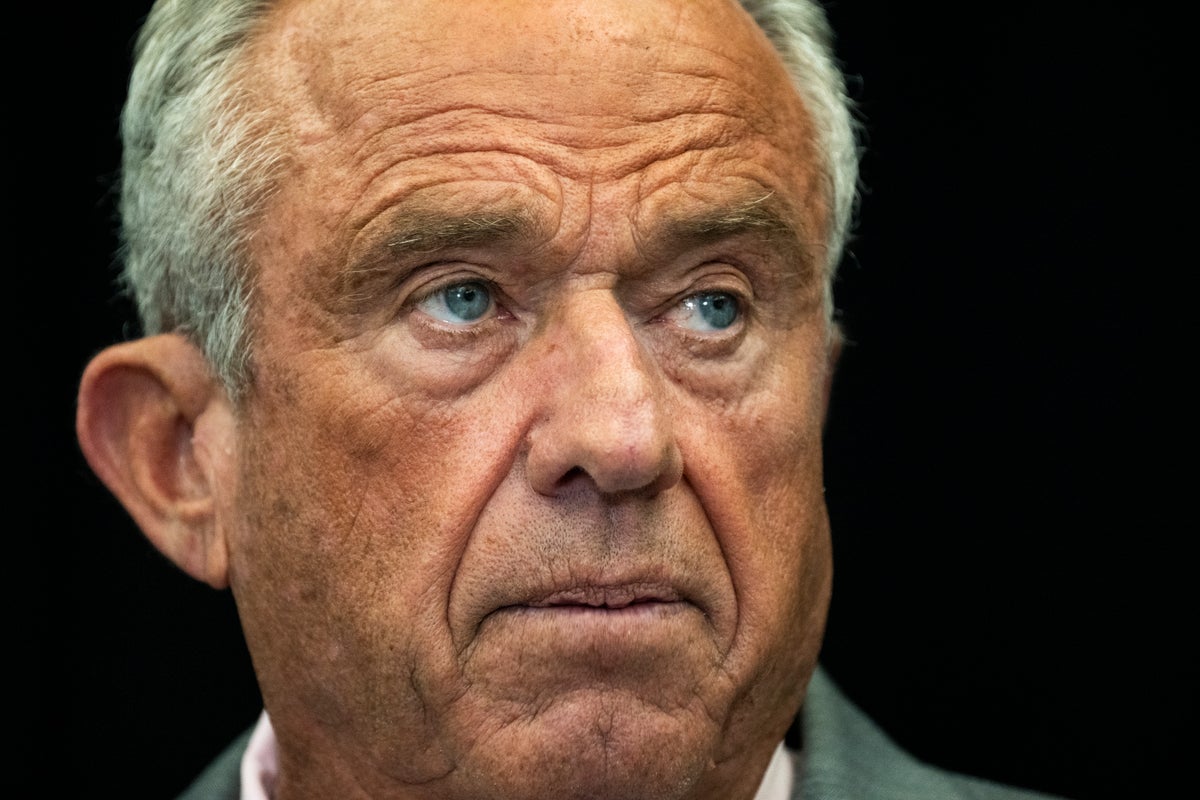
You have probably heard politicians wax poetic about their family legacies while simultaneously dismantling the very institutions that built them. Robert F. Kennedy Jr. recently leaned hard into his famous family name, claiming a deep personal connection to federal safety net initiatives. Yet, his actions at the Department of Health and Human Services tell a drastically different story. Critics argue that his administration is quietly gutting Head Start, the six-decade-old program designed to give low-income children a fighting chance.
If you look past the political rhetoric, the reality of what is happening to early childhood education is alarming. Let's break down why this matters right now.
The Disconnect Between Rhetoric and Reality
When you examine how Head Start operates, you realize it is much more than a simple daycare alternative. Founded in 1965 during the War on Poverty, the program serves nearly 800,000 young children annually, providing vital health screenings, nutritious meals, and foundational education. Generations of families credit it with breaking cycles of poverty.
So why is it under constant siege?
Critics and federal lawmakers have pointed out a troubling pattern of funding freezes, staff layoffs, and the shuttering of regional offices under the current administration. Backers of the program watched in disbelief as administrative hurdles delayed grants, forcing some local centers to temporarily lock their doors. When leadership talks about heritage on one hand while choking off operational resources on the other, regular people pay the price.
Who Actually Gets Hurt
The administrative squeeze on Head Start doesn't happen in a vacuum. Local centers rely on predictable funding to keep teachers paid and classroom lights on. When grants stall or overhead caps tighten drastically, programs fold.
Working parents bear the immediate brunt of this instability. Without affordable, reliable early education, moms and dads working in essential jobs face impossible choices. They either scramble for costly alternatives that do not exist or leave the workforce entirely.
Economists often point out that every dollar invested in early childhood programs yields massive returns to society through reduced remedial education costs and higher adult earnings. Cutting support to save a quick buck is remarkably short-sighted. It shifts financial burdens onto local school systems and taxpayers down the road.
The Policy Battleground
The friction over Head Start also involves aggressive reclassifications. Recent federal notices have attempted to reframe the program as a means-tested public benefit, opening the door to exclude vulnerable groups, including certain immigrant children. Community advocates argue this shifts Head Start away from its core mission as a universal equalizer for children in need.
Legal challenges from civil rights organizations and pushback from state coalitions show that this fight is far from over. Local providers are caught in the middle, trying to navigate shifting regulatory demands while keeping their doors open.
Pay attention to how local centers in your community handle funding changes and support neighborhood early education initiatives before local options disappear completely.