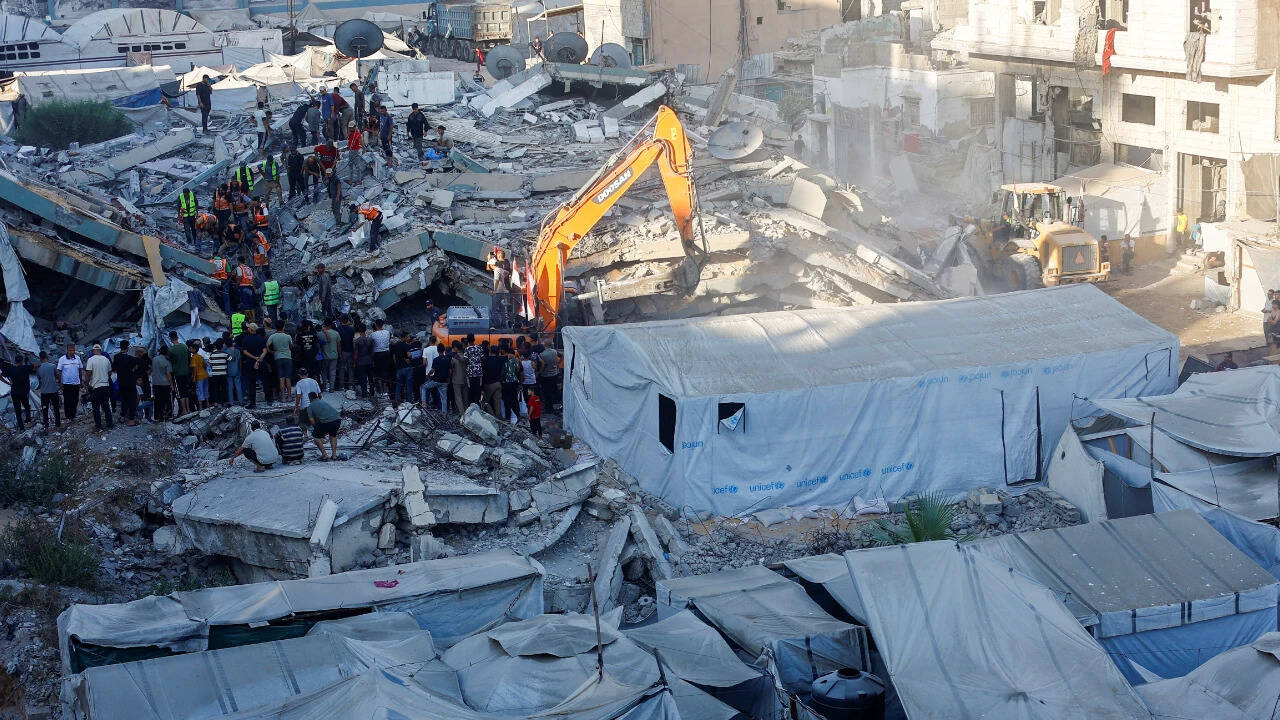
When a seven-storey apartment block in Gaza City's Tal al-Hawa neighborhood gave way overnight, it didn't just crash into the ground. It crushed the fragile lives of families who thought concrete walls, even cracked ones, offered protection against the cold and coming winter storms. At least 20 people, including five children, died in the wreckage, while nearly 100 others remained feared trapped beneath tons of concrete.
If you look closely at what happened, you realize this disaster wasn't an unpredictable fluke. It was an inevitability waiting to happen. Thousands of people across Gaza are moving back into structurally compromised buildings because they simply have nowhere else to go. Tents are scarce, alternative shelters are non-existent, and winter is closing in fast.
Let's look at the harsh realities on the ground and why these structural failures represent a massive crisis that extends far beyond a single tragic night.
The Scramble for Shelter in Compromised Structures
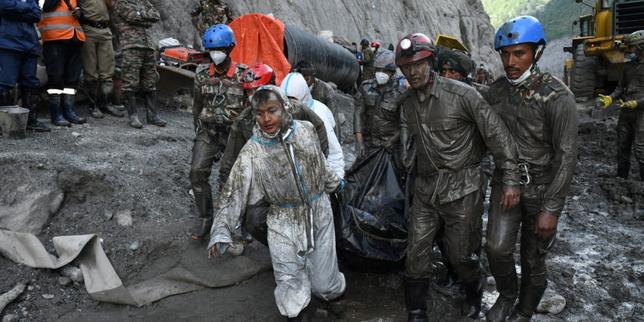
Civil defence workers in Gaza City spent hours sifting through the wreckage with whatever tools they could find. In many cases, those tools were their bare hands. Raed Al-Dahshan, director of Gaza City's civil defence service, noted that rescue teams could still hear faint voices echoing from beneath the debris hours after the structure fell. There was hope, but it was fading fast against a backdrop of scarce heavy equipment.
Why were ten families sleeping inside a building that had sustained heavy damage during earlier Israeli airstrikes? The answer is heartbreakingly simple. The severe shortage of new tents and secure shelter options forced residents to take a gamble. They believed a damaged roof overhead was better than sleeping out in the open.
Alessandro Mrakic, head of the UN Development Programme's Gaza office, put the scale of the danger into perspective. According to UN estimates, approximately 400 buildings are at immediate risk of collapse across the territory. Local civil defence services paint an even grimmer picture, estimating that about 2,000 damaged structures are currently inhabited by families trying to shield themselves from wind and rain.
Why Rescue Operations Fall Short
You might wonder why heavy machinery isn't being rolled in to clear the debris and save lives quickly. The reality of modern conflict zones makes rapid response nearly impossible.
Palestinian and UN officials have repeatedly pointed fingers at strict limitations on the entry of heavy machinery into Gaza. On the other side, Israel maintains that restrictions on construction equipment and certain materials are necessary to prevent them from reaching militant groups.
The consequences of this logistical gridlock are devastating for everyday civilians. When a building pancakes on top of sleeping families, every minute counts. Yet, without cranes, bulldozers, or proper hydraulic cutters, neighbors and local rescue personnel are left digging through jagged concrete blocks with shovels and bare hands. Alessandro Mrakic admitted that relief agencies are bracing for more tragedies because the tools required to secure or demolish these unsafe structures safely just aren't available.
The Massive Rubble Crisis
This latest collapse is a symptom of a much larger, structural catastrophe. Months of intense bombardment have turned vast portions of Gaza into an urban moonscape.
The United Nations estimates that the military campaign, launched following the October 2023 Hamas attacks, has generated roughly 61 million tonnes of rubble and debris. Experts calculate that clearing this monumental mountain of wreckage could take up to seven years under current conditions.
Even though a US-backed ceasefire halted large-scale active combat, sporadic strikes continue, and negotiations over a lasting peace have stalled. Hamas accuses Israel of violating the agreement, while Israel points the finger back at Hamas. Meanwhile, ordinary civilians caught in the middle are forced to make impossible choices. Do they freeze outside in makeshift camps with inadequate supplies, or do they risk their lives inside half-destroyed apartment blocks?
What Happens Next for Vulnerable Residents
The danger is only going to escalate as weather conditions worsen. With winter approaching, the push to find indoor shelter will drive more desperate families into compromised buildings that should have been condemned and torn down months ago.
Local authorities are issuing frantic warnings telling residents to stay away from structurally unstable structures. But warnings don't provide warmth, and they don't replace missing homes. Until a massive influx of proper shelter materials and heavy clearance equipment is allowed into the region, residential collapses will remain a constant, lethal threat for the people trying to survive day-to-day life in Gaza.