When a major global news organization finds itself on the wrong side of a criminal conviction for suppressing labor rights, people notice. A Hong Kong court recently found Dow Jones, publisher of The Wall Street Journal, guilty of willfully preventing and deterring a reporter from taking up a leadership role in a local press union.
If you think this is just an isolated courtroom battle in a changing Asian media hub, look closer. It highlights a brutal tension between corporate self-protection and worker rights in an era of heightened geopolitical anxiety. If you found value in this article, you might want to read: this related article.
What Actually Happened in Court
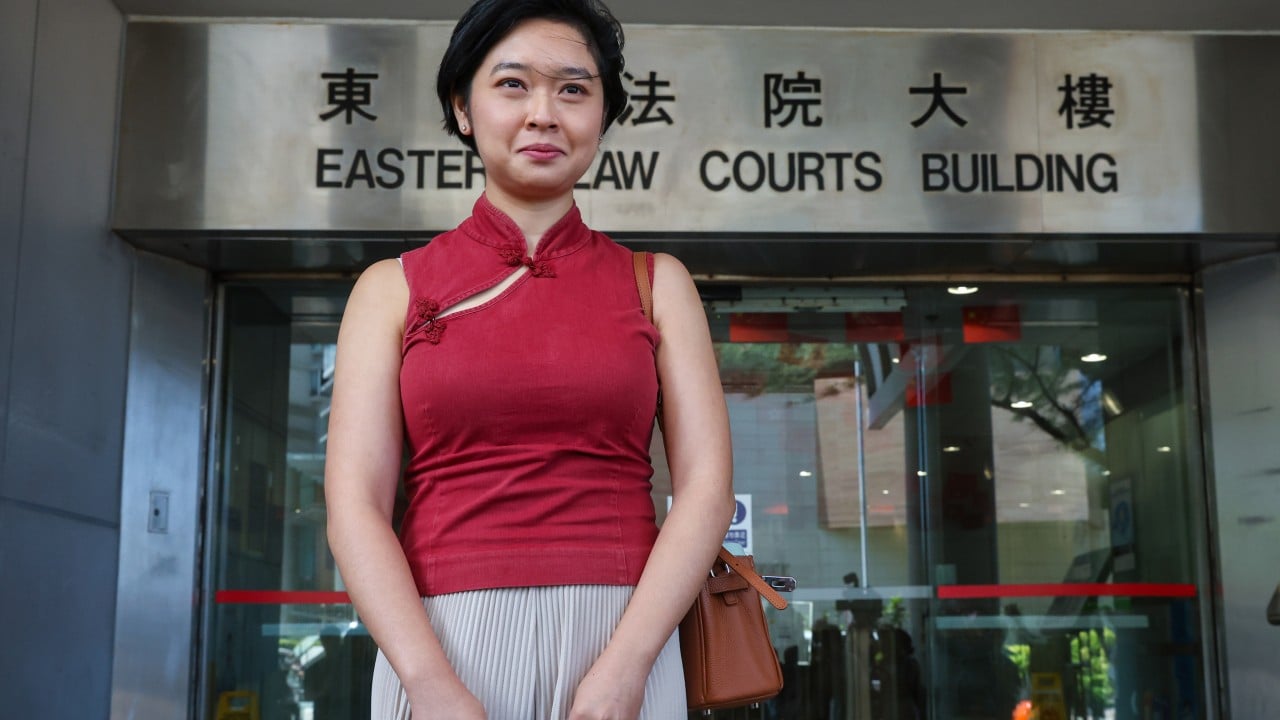
The case centers on Selina Cheng, a former Wall Street Journal reporter who covered China's automotive and energy sectors. Back in mid-2024, she ran for the chair position of the Hong Kong Journalists Association (HKJA). Senior editors swiftly pushed back, demanding she step down from her union ambitions and drop her advocacy for press freedom. When she refused and won the election, she lost her job shortly after.
Rather than letting the issue vanish quietly, Cheng launched a private criminal prosecution against Dow Jones Publishing Co. (Asia) Inc. under local labor laws. For another perspective on this story, see the recent update from Reuters.
Principal Magistrate David Cheung ruled that the publisher crossed a clear legal line. The court found that Dow Jones unlawfully required Cheng to seek company permission before pursuing union leadership—permission editors admitted they would have denied. Telling an employee they cannot keep their job while exercising legally protected trade union rights is a criminal offense under the territory's laws.
The Twist on the Dismissal Charge
While the conviction for blocking her union bid stands, the court drew a firm line on her termination. Dow Jones was acquitted on a second charge alleging she was unlawfully fired because of those union activities.
The magistrate noted that the defense raised enough reasonable doubt. The company successfully argued that her departure could be tied to a broader corporate restructuring, which included shifting regional operations from Hong Kong to Singapore. That distinction matters. It shows that while corporations can legally reorganize teams or restructure newsrooms, they cannot police or veto a worker's choice to participate in organized labor outside of working hours.
Why This Case Changes the Conversation
For years, foreign newsrooms operating in restrictive environments enjoyed a degree of immunity compared to local outlets. That buffer is shrinking fast. When major Western publications face criminal liability overseas for trying to control employee associations, the illusion of corporate detachment shatters.
Cheng's gamble on a private prosecution proves how high the stakes are. Government labor departments didn't take up her cause, forcing an individual journalist to carry the financial and emotional burden of holding a global giant accountable. Most workers don't have the resources to fund that kind of fight.
Corporate compliance isn't just about avoiding financial penalties or protecting brand image. It means recognizing that basic labor protections apply to newsrooms just as much as any other workplace. News organizations that preach accountability to the world must learn to practice it in-house.
Watch this breakdown of the court ruling
This video provides an overview of how the Hong Kong court found Dow Jones Publishing liable for violating trade union protection laws.
http://googleusercontent.com/youtube_content/1