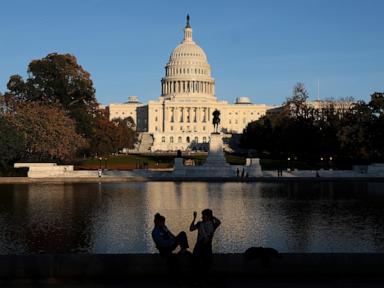
If you watched election night unfold and wondered how the political winds shifted so violently, you aren't alone. The midterms delivered a sweeping reality check to Washington, giving control of the U.S. House of Representatives back to Democrats. But this wasn't just a standard pendulum swing. Voter polling data tells a very specific story about why the map turned blue, and it comes down to a potent mix of economic fatigue and a direct backlash against presidential authority.
Let's break down what actually happened at the ballot box, because the headlines only scratch the surface.
The Independent Exodus
You can't win a modern congressional majority without winning the middle, and Republicans lost the independent block by a wide margin. Past exit polls usually show unaffiliated voters splitting fairly evenly between the two major parties. Not this time.
Roughly a third of voters don't align with either party, and they broke for Democratic House candidates by a striking 56% to 39% margin. When independents break that decisively, incumbents lose seats. People living outside the hyper-partisan bubble were tired of gridlock and pointed their frustration straight at the ruling party.
Economic Pain Outweighed Party Loyalty
Voters cast ballots with their wallets, and the cost-of-living squeeze proved toxic for Republican incumbents. Tariffs and persistent inflation kept everyday expenses high, making voters feel like the economic recovery was passing them by.
When pollsters asked householders why they voted the way they did, economic anxiety dominated the answers. It's easy for politicians in Washington to talk about macro-economic indicators, but when grocery and diesel prices pinch families week after week, abstract numbers don't matter. Voters wanted a change in economic direction, and flipping the House was their primary mechanism to demand it.
The Anti-Trump Factor in Congressional Races
Midterm elections are traditionally referendums on the sitting president, and this cycle proved that rule is alive and well. A significant portion of the electorate treated their congressional ballots as an explicit check on Donald Trump's agenda.
Voters who identified as moderate expressed deep concern over executive overreach and the lack of congressional checks and balances. This sentiment galvanized turnout in suburban districts that had leaned conservative in previous cycles. Instead of voting strictly on local issues, millions of Americans used their House ballots to signal a national course correction.
Demographic Shifts Among Young and Minority Voters
Another critical layer of the polling data involves the coalition cracks that appeared on the conservative side. In key districts, young voters under 30 swung sharply back toward Democratic candidates, reversing some of the gains Republicans had secured just two years prior.
Hispanic and Black voters also recalibrated their support. While the 2024 presidential cycle saw notable shifts toward the GOP among working-class minority men, those gains proved fragile. Economic pressures and local candidate quality pulled many of these voters back into the Democratic column, sealing victories in battleground districts across the Sun Belt and the Rust Belt.
What This Means Moving Forward
The 2026 midterms left Congress divided and Washington bracing for a new era of legislative gridlock. With Democrats controlling the House, the balance of power has completely inverted.
If you're trying to make sense of what comes next, watch the legislative battles over trade policy, executive appointments, and federal spending. The electorate didn't just vote for a change in party leadership; they voted for institutional friction. Lawmakers ignore these poll numbers at their own peril ahead of the next presidential cycle.
Democrats sweep major elections as voters reject Trump
This video provides an in-depth breakdown of how voter rejection of Donald Trump and economic discontent fueled sweeping Democratic victories in major elections.