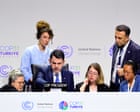
The United Nations climate machinery just hit a brick wall. At the COP31 summit in Antalya, Turkey, nearly two weeks of grueling negotiations ended in total collapse when delegates failed to agree on an overarching political deal. The talks spilled two days past their scheduled deadline, turning into the longest and most bitter summit in recent memory before flatly imploding.
If you've been watching global climate politics for years, you know how these things usually go. They end with a watered-down compromise, plenty of tired applause, and vague promises to try harder next time. But this time was different. This time, the floor gave way entirely.
The immediate trigger wasn't hard to spot. It was oil, gas, and coal.
The Fossil Fuel Battleground
The entire deadlock boiled down to a single omission in the final draft text. When the co-presidency released a revised agreement on the penultimate days of the summit, explicit references to phasing down fossil fuels had vanished completely.
Major oil-producing nations, spearheaded by delegations like Saudi Arabia, pushed aggressively to protect traditional energy sources, arguing that all technical solutions—including carbon capture—deserved a spot at the table without explicit phase-out mandates. Russia and other petroleum-reliant states backed that hardline stance.
For vulnerable island nations and European Union delegates, that omission was a bridge too far. Ireland’s environment minister Darragh O'Brien, speaking on behalf of the EU, rejected the deal outright. He noted that the text failed to meet the moment and ignored scientific reality by refusing to name the primary driver of the crisis.
Delegates from the Marshall Islands and Vanuatu echoed that fury, stating they would not sign off on an agreement that compromised their security to appease fossil fuel interests. Because UN climate summits operate on absolute consensus, a single objection can torpedo a deal. In Antalya, multiple factions drew lines in the sand, and nobody blinked.
Echoes of Copenhagen
This breakdown marks the first major systemic failure of a UN climate summit since COP15 in Copenhagen back in 2009. Back then, the Copenhagen conference collapsed amid bitter finger-pointing, leaving a diplomatic vacuum that took years to repair.
Now, fears are rising that Antalya will trigger a similar era of stagnation. UN Secretary-General Antonio Guterres voiced profound frustration after the gavel came down, reminding world leaders that while negotiators can stall in a conference room, atmospheric reality doesn't negotiate. Temperatures continue to break records, and climate extremes grow more violent by the season.
Yet, the reaction to the collapse isn't uniform. Civil society groups and climate justice advocates are actually celebrating the failure of the text.
Think about that for a second. An official UN climate summit failed, and activists cheered.
Organizations like Power Shift Africa argued that the proposed deal was so weak it amounted to a "ghost COP". They pointed out that accepting a text that protects oil expansion while offering empty financial promises would have done more harm than good. In their view, walking away empty-handed is infinitely better than signing a fraudulent agreement that greenwashes continued inaction.
Where the Process Goes From Here
COP31 President Murat Kurum defended the Turkish presidency's efforts, pointing out that negotiators exhausted every possible avenue before the talks fell apart. He noted that some countries grew hopelessly fixated on single words and phrases, rendering compromise impossible.
Despite the wreckage of the main cover decision, a few smaller initiatives managed to scrape through or run parallel. More than ninety countries signed onto an electrification pledge, showcasing pockets of genuine momentum outside the paralyzed plenary halls.
Still, the structural flaw at the heart of the COP process stands exposed. When nearly 200 countries with entirely competing economic models—from petrostates to sinking island nations—must agree on every single syllable, paralysis is always just one veto away.
The illusion that global bureaucracy can smoothly mandate an energy transition has fractured. Real progress is increasingly happening away from these massive summits—through localized policy fights, regional trade pressure, and grassroots economic shifts. The UN talks remain a vital barometer of geopolitical tension, but the Antalya collapse proves that waiting for a unanimous global green light is a luxury the planet no longer has.