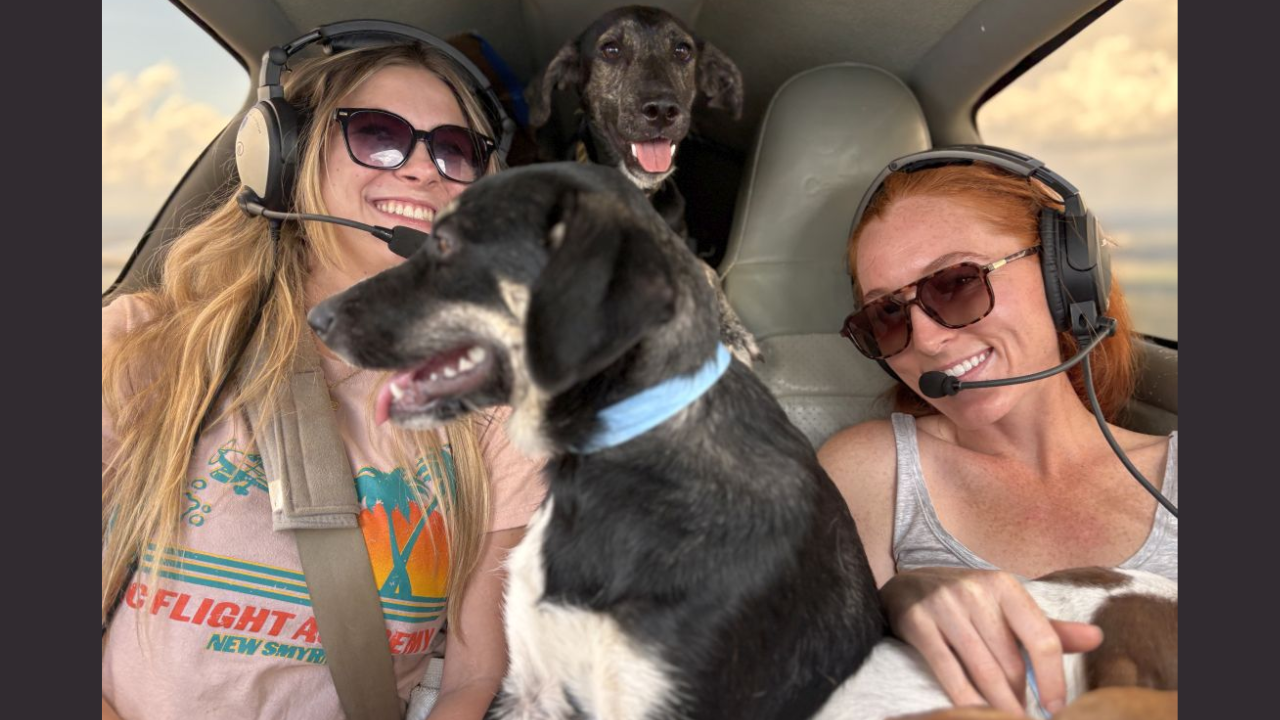
Shelter overcrowding is a brutal math problem. Southern states deal with stray populations and year-round warm weather, which means animal intakes never slow down. When local kennels hit maximum capacity, the reality turns grim. Healthy dogs and cats face euthanasia simply because there's no physical room left.
Enter a different kind of aviation wing.
Back in 2010, a dedicated group of private aviators out of Winter Park started doing something radical. Instead of letting local rescues drown in intake numbers, they fired up their own engines, loaded up crates, and started flying animals out of Florida. Today, that grassroots initiative has successfully transported more than 12,000 rescued dogs and cats to safety.
Here is how private pilots and specialized networks changed the animal rescue game without waiting for government bureaucracy.
The Logistics of Flying Fur
Moving thousands of animals across state lines isn't as simple as tossing a golden retriever into the back seat of a Cessna. Ground transport takes days, racking up massive stress levels for vulnerable animals, especially young puppies, nursing mothers, and older pets.
Private air transport cuts travel down to a few hours.
Pilots use light aircraft—everything from single-engine Cessnas to twin-engine planes—to move cargo that barks and meows. Animals stay secured in small carriers inside the cabin. It’s cramped, loud, and entirely funded out of the pilots' own pockets.
People often assume animal transport networks receive massive state subsidies. They don't. Volunteer aviators pay for their own aviation fuel, landing fees, and aircraft maintenance. For many pilots, logging rescue missions is a way to build flight hours while directly saving lives.
When long-time volunteer pilot Steve Capontes spoke about the work, he didn't sugarcoat the exhaustion. But he noted the payoff hits the moment the landing gear touches down. A rescue team is always waiting on the tarmac with open arms. Within weeks, those dogs and cats land in permanent, loving homes up north where adoption demand remains high.
Why Geography Dictates Animal Survival
If you're wondering why dogs and cats have to fly thousands of miles away from Florida, look at regional demographics.
The Northeast and Midwest suffer from a chronic shortage of adoptable shelter animals. Strict spay-and-neuter laws and different regional climates mean shelters up there often have empty cages. Meanwhile, Florida faces a perpetual flood of animals.
It’s an unequal distribution of supply and demand.
Ground-based animal rescue groups try to bridge the gap with vans, but cross-country drives take days. Coordinating interstate transfers requires a massive web of veterinary paperwork, health certificates, and volunteer drivers. Air transport bypasses traffic jams and cuts multi-day ordeals into quick regional hops.
Rescuing animals via private aircraft requires strict adherence to protocol. Before any animal steps paw onto a tarmac, they must pass a thorough health inspection. They need up-to-date vaccinations and official interstate travel certificates. Once the plane lands, ground crews and partner shelters—spanning states like Pennsylvania, Massachusetts, and Vermont—take over the final leg of the journey.
Emergency Evacuations When Hurricanes Hit
Regular weekly flights are only part of the equation. When hurricane season strikes Florida, shelters face an immediate crisis.
Storms knock out power, damage infrastructure, and force emergency evacuations. If local shelters don't clear out before a hurricane hits, displaced family pets have nowhere to go.
Volunteer pilot networks mobilize fast when severe weather threatens the coast. Organizers coordinate massive emergency airlifts, evacuating hundreds of animals out of harm's way within tight 48-hour windows. These high-pressure missions require absolute precision. Pilots fly into regional airports right up until airspace closes down, ensuring vulnerable pets aren't left behind in flood zones.
How You Can Support Animal Air Transport
You don't need a pilot's license to keep these planes in the air. Organizations running these rescue flights rely heavily on public backing to cover steep operational costs.
If you want to help, look past standard monetary donations and focus on what these nonprofits actually need:
- Fund Medical Clearances: Interstate travel requires mandatory veterinary checks and health certificates. Sponsoring these exams directly speeds up departure times.
- Donate Transport Crates: Airlines and private pilots need heavy-duty, airline-approved crates in various sizes to keep animals secure during flight.
- Support Destination Rescues: If you live in the Northeast or Midwest, foster or adopt from shelters that pull animals from southern transport networks. Opening your home creates space for the next flight.
- Fuel Drives: Aviation fuel isn't cheap. Local fundraisers specifically targeting aircraft gas keep volunteer planes operational week after week.
Stop waiting for systemic overhaul to fix overcrowded shelters. Grassroots aviation proves that ordinary people with private planes can move mountains—or at least 12,000 pets—when local systems fail.