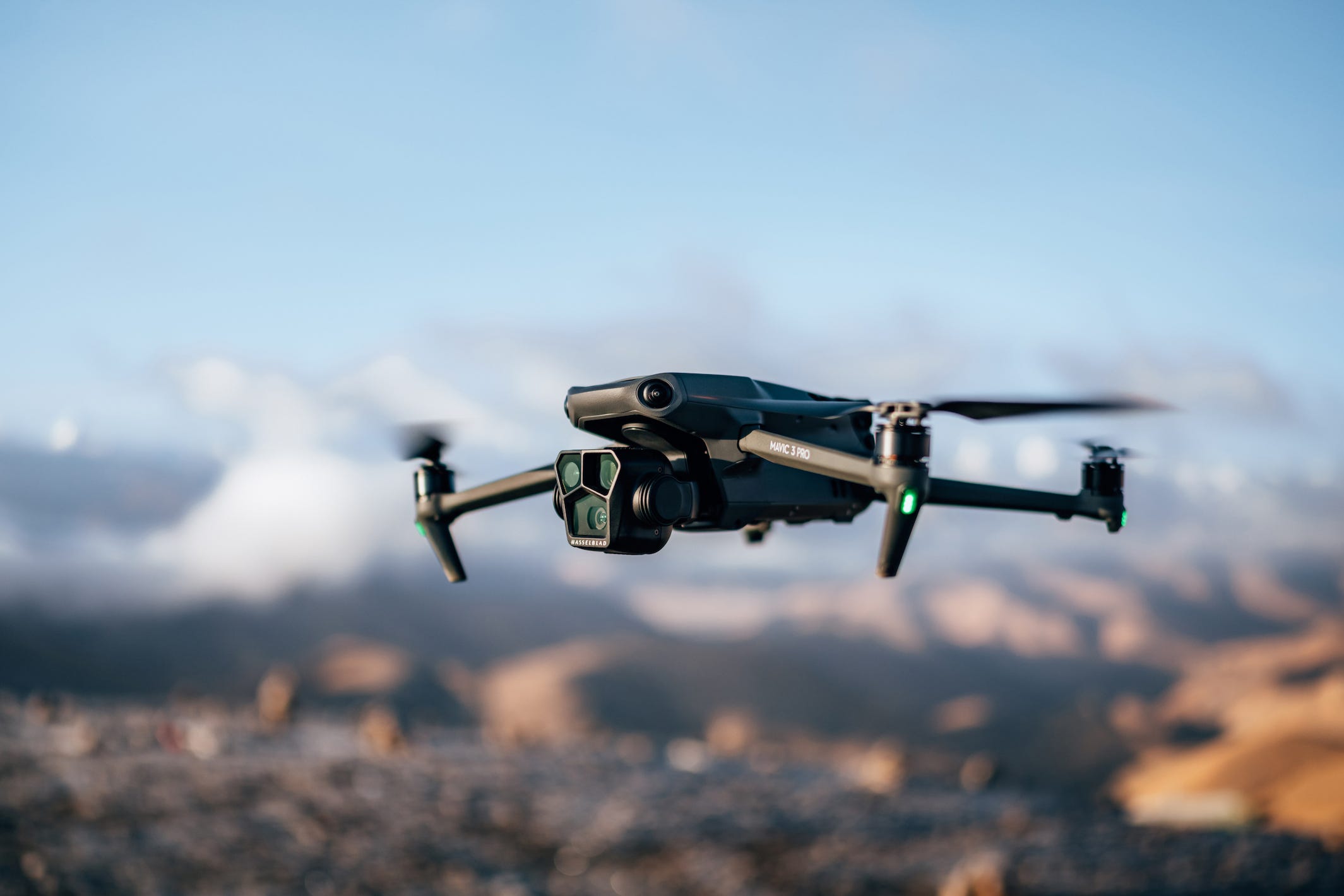
A massive drone strike slammed into an energy facility and local warehouses in Russia's Volgograd region, sparking a fierce blaze and injuring five people. Regional governor Andrei Bocharov confirmed the emergency via Telegram, keeping tight-lipped about the exact classification of the hit installation. Yet, everyone watching knows the stakes. Volgograd isn't just any dot on the map. It houses key industrial assets, including major Lukoil refinery infrastructure that forms the backbone of regional fuel supplies.
When long-range drones find their targets hundreds of miles inside Russian borders, the ripple effects stretch far beyond a single fire department's scramble. This isn't random violence. It is part of a calculated strategy targeting the economic veins of the state.
The Strategy Behind Deep-Inside Strikes
Long-range drone operations have evolved from experimental nuisances into systematic economic warfare. Kiev frames these deep-penetration missions as long-range sanctions. The logic is simple. If you cannot push opposing forces back on the physical front lines, you choke the fuel, logistics, and financial capital feeding their supply chains.
Refineries, substations, and massive logistical hubs absorb the brunt of this shift. Take the recent wave of strikes hitting digital retail infrastructure like Wildberries warehouses alongside traditional energy plants. When distribution networks burn, the domestic consumer economy feels the pinch immediately. People lose goods, small merchants face ruin, and regional authorities have to scramble emergency financial support packages.
Why Volgograd Matters So Much
Volgograd acts as a southern logistics throat. Striking energy plants here hits multiple targets at once.
- It forces air defense assets to stretch thin across thousands of miles of vulnerable territory.
- It disrupts local fuel processing and distribution chains.
- It injects panic into domestic commercial sectors that rely on uninterrupted power and transport.
Governor Bocharov noted that five individuals sought medical treatment following the latest Volgograd incident. Meanwhile, neighboring regions like Rostov experienced simultaneous aerial attacks, such as an incident in Gukovo that left a local woman injured. The geographic spread proves that regional defense umbrellas cannot cover everything at once.
The Economic Shocks Are Real
You cannot decouple these military strikes from the broader Russian domestic economy. Fuel supply strains are real. When primary processing units or regional energy nodes catch fire, repair timelines stretch out due to international sanctions restricting advanced machinery imports.
Retailers are feeling it too. Warehouses belonging to major online distributors have caught fire repeatedly over recent weeks, forcing companies to shell out millions in compensation to tens of thousands of third-party vendors. The state now faces a dual burden: protecting the front lines while propping up domestic supply chains that are burning down from the inside out.
Expect more of this. As long-range drone technology gets cheaper, faster, and harder to jam, geographical distance provides zero safety. The fire in Volgograd is just another marker of a conflict that refuses to stay contained to the trenches.