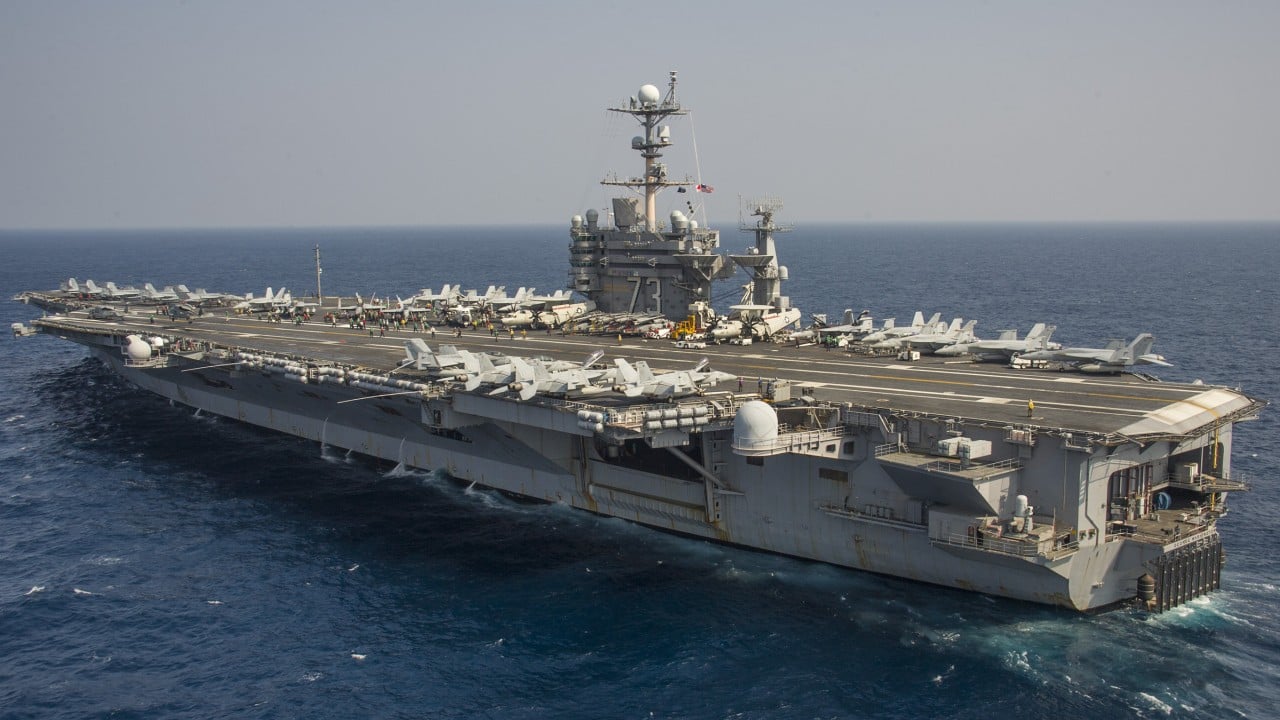
Geopolitics rarely moves in a straight line. Right now, Hanoi is playing a high-stakes balancing act that defies simple categorization. Amid global economic tremors, heavy trade pressures from Washington, and severe energy shocks rippling out of the Middle East, Vietnam is still welcoming a United States aircraft carrier to its shores. It's a bold diplomatic signal. It also proves that strategic security considerations often override immediate commercial friction.
If you look at the surface, the timing seems chaotic. Donald Trump’s aggressive tariff policies have put export-heavy economies like Vietnam squarely in the crosshairs. At the same time, the broader geopolitical theater is strained by the ongoing Iran conflict and subsequent global fuel disruptions. Yet, security ties between Washington and Hanoi continue to deepen. Why? Because the South China Sea hasn't gone away, and Beijing's territorial ambitions remain a constant shadow over Vietnamese sovereignty.
The Strategic Logic Behind the Visits
Let's be honest about what a carrier visit actually represents. It isn't just a friendly meet-and-greet with sailors playing sports and visiting local orphanages. It's a heavy geopolitical billboard.
When a nuclear-powered supercarrier drops anchor near Vietnamese ports, it sends an unmistakable message across the region. Hanoi wants strategic diversification. Decades ago, hosting American warships would have been unthinkable. Today, it’s a calculated measure to hedge against rising maritime pressure from China.
- Deterrence: Physical military presence matters more than diplomatic communiques.
- Partnership: Upgrading bilateral defense ties gives Vietnam extra diplomatic weight.
- Hedging: Balancing relations with superpowers keeps Hanoi from falling into any single orbit.
You have to remember that Vietnam operates under a foreign policy framework often called "bamboo diplomacy." It bends with the wind, but it doesn't break. While trade tensions with the White House create friction, security cooperation against shared regional concerns provides an opposing anchor.
Navigating Trade Pressures and Tariffs
Tariffs hurt. For a manufacturing powerhouse that relies heavily on exports to Western markets, unpredictable trade policies from Washington create massive headaches for local planners. Factories in Ho Chi Minh City and industrial parks across the northern provinces feel the squeeze whenever trade threats loom large.
Yet, economic nationalism in Washington hasn't completely severed the strategic alignment in Southeast Asia. Defense officials look at long-term security architecture rather than quarterly trade balances. Hanoi understands this duality. They are willing to absorb some economic punches if it means keeping the US engaged in regional security.
It’s basically a pragmatic trade-off. You manage the tariff fallout through backroom diplomacy and trade adjustments, while simultaneously welcoming naval assets that deter encroachment in your exclusive economic zone.
The Global Chaos Factor
Throwing the Middle East crisis into the mix makes everything harder. With energy markets reeling from supply disruptions and fuel shortages causing headaches globally, emerging economies face intense pressure on inflation and transport costs.
Despite these external shocks, Southeast Asian nations cannot afford to take their eyes off their own backyard. Maritime disputes in the South China Sea persist every single day, regardless of what happens in the Strait of Hormuz. For Vietnam, maintaining strong defense partnerships with external balancers like the United States remains a core pillar of national defense strategy.
What Happens Next
Don't expect Hanoi to suddenly turn into a formal Western military ally. That's not how bamboo diplomacy works. Vietnam will keep walking a very tightrope, buying commercial goods, managing trade disputes, and quietly expanding security arrangements with anyone who helps secure its maritime borders.
The real story isn't about the contradictions. It's about Vietnam's cold, hard calculation that strategic survival always comes first.