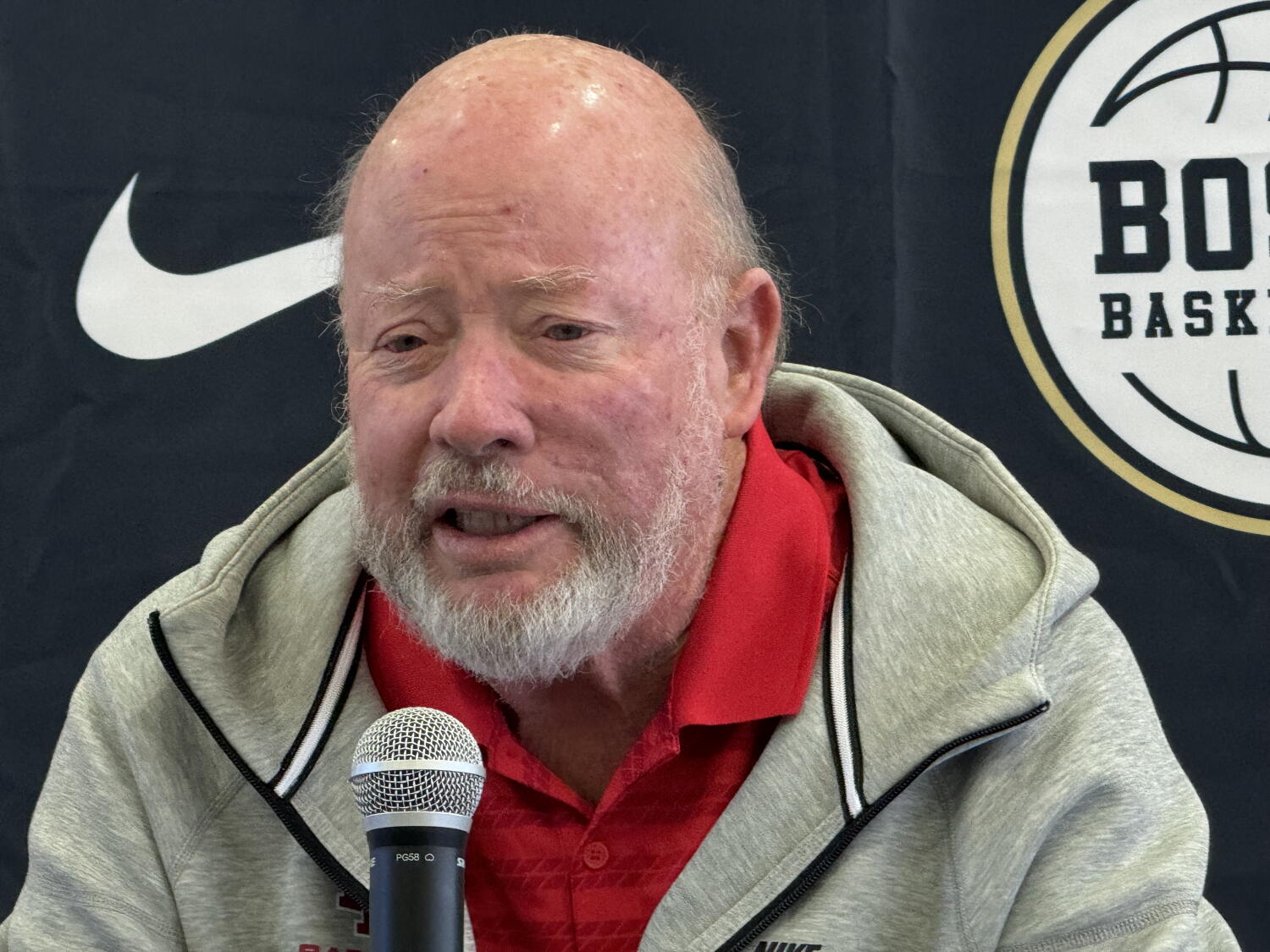
Victor Montagliani isn't running for FIFA president. That single fact changes the entire shape of soccer's upcoming power struggle.
For months over the summer of 2026, pundits and insiders floated the Vancouver-born executive as the most plausible rival to Gianni Infantino. When European federations revolted over Infantino's ill-fated plan to sell stakes in FIFA tournaments—including the World Cup—to private investors, people looked toward CONCACAF's top man. Montagliani had the North American pedigree, the 2026 World Cup momentum, and a seat on the FIFA Council. Yet as the November 18, 2026 declaration deadline passed ahead of the March 18, 2027 election in Rabat, Morocco, Montagliani's name wasn't on the reported candidate sheet.
Honestly, it's not a shock once you look at the math and the politics. Challenging an incumbent FIFA president is a brutal uphill climb, and Montagliani had plenty of reasons to stay put rather than roll the dice on a long-shot campaign.
Why Victor Montagliani Stayed Out of the FIFA Race
Let's be real about how FIFA elections actually work. Having 211 member associations sounds democratic on paper, but in practice, voting blocs decide everything. You need 106 votes for a majority, and sitting FIFA presidents have a staggering track record—no incumbent has lost a re-election contest since 1974.
Even with UEFA leading a fierce rebellion against Infantino and European associations pulling their backing, Infantino still entered the final stretch with massive support across other confederations. According to Associated Press reporting on the election math, Infantino sat right around the 105-vote mark from announced backers, with dozens of federations still undeclared and groups like the 47-member Asian Football Confederation and the Caribbean Football Union lining up behind him.
Think about what Montagliani would have risked by jumping in. If you run against a well-entrenched incumbent and lose, your political capital inside FIFA evaporates overnight. Worse, your standing back home in CONCACAF can get messy. Reports from October 2026 indicated Montagliani was eyeing re-election at CONCACAF instead of chasing the Zurich-based top job. Staying where you already command the room beats starting a civil war you might not win.
There's also the sheer grind of global campaigning. Running for FIFA president isn't like running for mayor or even leading a single national association. You're flying across time zones, courting small island nations and major football powers alike, and navigating legal and political landmines. Montagliani already knows the ins and outs of CONCACAF—he's led it since 2016 after serving as president of Canada Soccer from 2012 to 2017. Why trade a known power base for a grueling campaign against a deeply entrenched rival?
The Summer Crisis That Almost Pulled Him In
To understand why people expected Montagliani to run, you have to remember how chaotic the summer of 2026 got for FIFA. In late July, Infantino drew intense fire over a proposal to sell stakes in FIFA competitions, including the World Cup, to private investors. He walked the plan back quickly after backlash exploded, yet the damage lingered.
European federations went on the offensive. Associations across Europe—including England, Germany, Italy, Norway, and others—withdrew their support for Infantino's fourth-term bid. UEFA, led by Aleksander Čeferin, even moved to seek evidence through a U.S. court in Florida for a potential criminal mismanagement complaint in Switzerland, a move FIFA dismissed as a smear campaign.
When a governing body looks that fractured, outsiders naturally start drawing up replacement lists. Montagliani fit the profile of a steady administrator who knew FIFA's machinery without carrying the baggage of the private-equity uproar.
Still, buzz isn't a campaign. Rumors in August don't automatically turn into signed nominations in November. A challenger needs ironclad commitments from federations willing to defy an incumbent who controls distribution of development funds and tournament access. Without a clear path to 106 votes, jumping in would've been pure theater.
Who Is Actually Running Against Gianni Infantino
With Montagliani out of the picture, the anti-Infantino push has rallied around Philippe Diallo, the 63-year-old president of the French Football Federation. UEFA threw its unanimous weight behind Diallo in mid-November 2026, positioning him as the standard-bearer for governance reform and rebuilding trust.
Diallo brings serious administrative credentials from French soccer and UEFA's executive committee, though he hasn't been in international soccer politics as long as some of his peers. His pitch centers on restoring credibility and ending what he called the "poison of division" inside the sport.
Japanese FIFA Council member Kohzo Tashima has also been linked to the field, while former Switzerland international and Tottenham defender Ramon Vega announced an intention to run in early November. Vega's bid faces a major hurdle, though: FIFA rules require candidates to have held an active role in football for at least two of the past five years, a bar Vega doesn't clear.
Under FIFA's timeline, declaration notices hit the deadline on November 18, 2026, and FIFA has until February 18, 2027, to confirm the final eligible candidates before the March 18 vote in Rabat. That leaves months of backroom lobbying ahead.
What This Means for CONCACAF and Canada
From a North American perspective, Montagliani staying put is a big deal. CONCACAF has gone through years of structural rebuilding and high-stakes hosting duties around the 2026 World Cup. Having a familiar hand at the wheel keeps continuity in a region where commercial ambitions and federation politics constantly pull in different directions.
In my view, watching how soccer politics plays out shows a simple pattern: reform talk gets loud during scandals, yet voting behavior inside FIFA stays stubbornly transactional. Money, development grants, and tournament slots still carry enormous weight with smaller federations. A challenger like Diallo can win hearts in boardrooms that value transparency, but flipping enough votes outside Europe to reach 106 is a mountain to climb.
If you're following this race closely, don't get fooled by headlines alone. Pay attention to who stays silent rather than who shouts loudest. Federations that haven't publicly declared their stance yet often hold the real leverage right up until Congress week in March 2027.
Practical Ways to Track the FIFA Election Next
If you want to follow how this unfolds without getting lost in rumor mills, take a few concrete steps:
- Watch the eligibility list in February 2027: Wait for FIFA's official confirmation by February 18, 2027, to see who actually meets the governance and active-involvement rules rather than taking early announcements at face value.
- Track federation statements, not just soundbites: Look at official announcements from national associations and confederations—especially undeclared voters—to gauge real vote counts toward the 106-vote threshold.
- Follow Montagliani's CONCACAF moves: Keep an eye on CONCACAF leadership updates and executive decisions to see how North and Central American soccer positions itself ahead of the Rabat congress.
- Compare governance proposals side by side: Read what Infantino, Diallo, and any other confirmed candidates actually say about financial oversight, commercial deals, and voting transparency before the March 18, 2027 vote.