Monuments in Washington, D.C. aren't supposed to appear overnight by executive whim. Yet, a contentious battle is playing out over a proposed 250-foot triumphal arch pushed by President Donald Trump. A group of Vietnam War veterans has returned to federal court, seeking a preliminary injunction to halt construction before dirt is even turned.
If you've been following urban planning disputes in the capital, you know high-stakes architectural standoffs happen often. This one is different. The core dispute centers on a simple question: Can a president bypass Congress to build a massive Parisian-style monument on federal land?
The administration insists work could start as early as November 5, pending a key vote by the National Capital Planning Commission. The plaintiffs argue the entire project lacks the mandatory congressional authorization required by law.
The Legal Clash Over Presidential Power
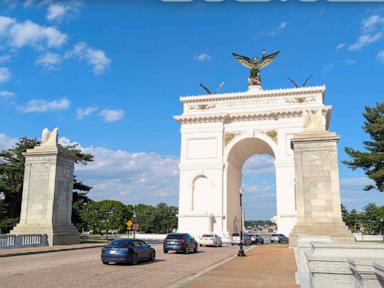
Veterans Shaun Byrnes and Jon Gundersen didn't expect to spend their retirement fighting the White House in court. Along with other plaintiffs, they filed a lawsuit arguing that the proposed monument—slated for a traffic circle near Arlington National Cemetery and the Lincoln Memorial—violates federal rules and degrades a historically significant landscape.
The administration has leaned on a 1925 law signed by President Calvin Coolidge regarding Memorial Bridge columns to justify the arch. Opponents dismiss that rationale as legally baseless.
"They've barreled ahead, doing site testing, drawing architectural plans, and seeking approvals from commissions populated by friends of the administration," court filings point out.
Meanwhile, critics and veterans note that Congress never voted on or funded the structure. The administration counters that private donations will cover the costs, but that defense doesn't solve the statutory hurdle. Federal law is explicit about who holds the purse strings and zoning power for monumental construction on the National Mall and surrounding federal reservations.
Why This Specific Location Matters
Location is everything in D.C. real estate, especially when dealing with national memorials. The proposed 250-foot arch would sit across the Potomac River from the Lincoln Memorial.
Veterans argue the structure will permanently alter views between Arlington House and the National Mall. Even the administration acknowledged in recent filings that the construction would cause unavoidable adverse effects on local views and settings.
For the veterans who fought overseas, preserving the unencumbered dignity of these spaces isn't just about aesthetics. It's about respecting the existing tribute landscape built for those who made the ultimate sacrifice.
What Happens Next
The immediate battleground is in the courtroom of U.S. District Court Judge Tanya Chutkan. The plaintiffs are pushing for a judicial block to freeze site preparations and prevent any sudden ground-breaking.
If the National Capital Planning Commission greenlights the plan in its upcoming meeting, legal maneuverings will escalate rapidly. Expect the federal judiciary to become the final arbiter on whether executive ambition can override decades of statutory precedent in the capital.
Monitor the upcoming federal court rulings and the planning commission's schedule to track whether construction stays frozen or moves forward into winter.