French President Emmanuel Macron isn't holding back anymore. When foreign leaders tried to weaponize recent urban unrest in France for their own domestic political gain, Macron fired straight back, calling their remarks "as unacceptable as they are stupid."
If you have watched international news coverage over the past week, you know the narrative exploded online almost instantly. Protests over rising living costs, strained public services, and educational grievances boiled over into violent clashes, looting, and arson in major cities like Paris, Marseille, Lyon, and Limoges. More than 2,500 people ended up in custody, town halls burned, and financial markets wobbled as French 10-year benchmark bond yields climbed above 5%—their highest point since 2002.
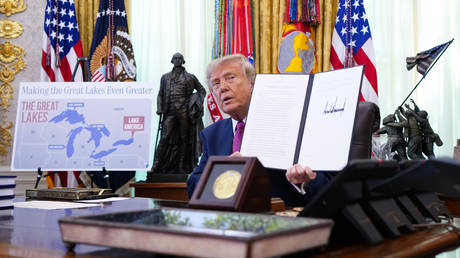
Yet, rather than focusing on inflation or cost-of-living pressures, foreign figures quickly hijacked the chaos. US President Donald Trump claimed the riots proved his hardline immigration theories, telling supporters that France was being "conquered, looted, and burned to the ground by migrants, jihadists, and communists." Israeli Prime Minister Benjamin Netanyahu similarly alleged an "invasion of extremist Islam" had triggered the crisis.
Macron had enough. Speaking from Qatar during a tour of Gulf energy suppliers, the French leader didn't mince words. He called out the wave of fabricated narratives, pointing directly to artificial intelligence-generated images circulating online that portrayed fictitious scenes of destruction and migrant takeovers.
Beyond the Misinformation: What Actually Sparked the French Protests
To understand why Macron reacted so fiercely, you have to separate political theater from reality. The core grievances driving French citizens onto the streets have little to do with the external talking points pushed in Washington or elsewhere.
People are furious about purchasing power. Inflation, soaring energy expenses, and mounting strain on public infrastructure pushed students, trade unions, and members of the Yellow Vest movement to launch demonstrations. While some of those protests unfortunately devolved into destructive looting and clashes with police, labor organizers and economic analysts point out that the root causes are economic and structural.
When foreign politicians step into the fray to claim that Paris is turning into a "Muslim city" or that the country has surrendered to demographic invasion, they are intentionally ignoring local economic frustrations. Macron rightly characterized these interventions as opportunistic campaigning. People who do not live with the daily reality of European energy markets or domestic tax burdens are turning French pain into campaign soundbites.
The Information War and AI Manipulation
One of the most dangerous elements of the recent French crisis is how fast digital distortion spreads. Macron specifically highlighted the role of synthetic media.
Bad actors deployed deepfakes and AI-generated photographs showing fictional military-style invasions and nonexistent citywide ruins. Social media algorithms rewarded the most inflammatory posts, pushing fake evidence to millions of users worldwide before fact-checkers could catch up.
This is a stark warning for democracies everywhere. When civil unrest breaks out locally, it instantly becomes ammunition in global information wars. Foreign leaders looking to score points ahead of their own electoral cycles rely on these manipulated feeds to terrify voters, bypassing verified journalism entirely.
What Happens Next on the Streets of France
The crisis isn't over just because government officials are trading verbal blows. France's administration faces a massive test as fresh demonstrations loom.
The main student union UNEF, alongside revived Yellow Vest groups demanding relief on fuel prices, organized further rallies. Meanwhile, major labor unions scheduled a nationwide strike over cost-of-living cuts.
In response, Prime Minister Sébastien Lecornu and the interior ministry deployed heavily reinforced security forces to lock down city centers and enforce targeted overnight curfews. The Indian Embassy in Paris joined other diplomatic missions in issuing travel advisories, urging foreign nationals to steer clear of large crowds and monitor local alerts.
Macron's blunt dismissal of foreign interference won't stop political opponents from using France as a talking point. But by calling out the noise and artificial manipulation directly, he drew a hard line between genuine domestic grievances and international grandstanding.
If you are planning to travel through Europe or follow international policy trends, look past the viral panic. The real story isn't a dystopian fiction generated by an algorithm; it's a grinding economic squeeze that ordinary citizens are fighting to survive.