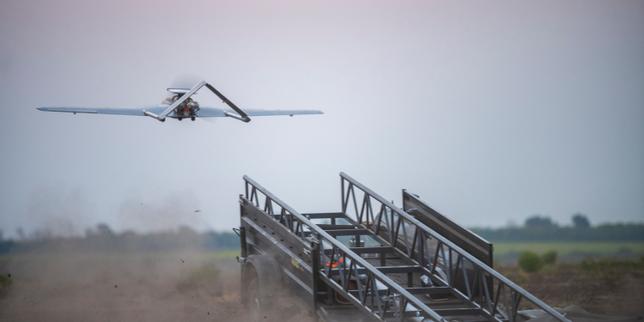
Flames lit up the night sky over the Baltic Sea as a massive drone assault hit Russia's critical energy infrastructure. If you've been tracking the strategic shifts in the war, you already know that hitting front-line trenches is only half the battle. Ukraine is now dismantling the economic engine that funds Moscow's entire military apparatus.
The target this time was the Ust-Luga port. Located in the Leningrad region on the Gulf of Finland, this facility isn't just another harbor. It's Russia's second-largest seaport and the absolute crown jewel of its petroleum and gas export network. When a drone swarm breaches defenses over a thousand kilometers from the border to strike a facility like this, the shockwaves hit global energy markets immediately. Learn more on a related subject: this related article.
Inside the Ust-Luga Terminal Attack
The assault unfolded overnight, catching regional air defenses scrambling. Leningrad Region Governor Alexander Drozdenko confirmed that a fierce fire broke out within the port complex after multiple aerial strikes. Local reports indicated that over 50 drones were targeted by defense systems across the wider region, yet strikes still managed to connect with vital energy nodes, including infrastructure tied to major gas producer Novatek.
St. Petersburg's nearby Pulkovo Airport even faced temporary flight restrictions as defense batteries tracked incoming threats. For months, Kyiv's long-range drone strategy has targeted refineries, fuel depots, and export terminals to create a severe domestic fuel pinch inside Russia. By taking aim at Ust-Luga—the endpoint of major pipelines and a massive hub handling crude oil, jet fuel, and gas condensate—the strategy moves from tactical harassment to structural economic damage. Additional analysis by TIME delves into related views on this issue.
The Real Cost of Hitting Russia's Export Hubs
Why does Ust-Luga matter so much? Because 700,000 barrels of crude oil and massive volumes of refined products flow through its terminals daily. When these facilities catch fire, the financial toll on the Russian federal budget is immediate.
Russia's reliance on maritime energy exports makes these massive coastal terminals glaring vulnerabilities. Even when local officials claim that primary oil export operations manage to sidestep total paralysis, repeated strikes force expensive shutdowns, repair delays, and panicked insurance spikes for any tankers willing to dock in the Baltic.
Air traffic disruptions in St. Petersburg and localized refinery slowdowns prove that Moscow's air defense umbrella cannot cover every square kilometer of its vast industrial heartland. As long as these long-range drone campaigns persist, the cost of maintaining the war effort will continue to skyrocket for the Kremlin. Keep your eyes on upcoming satellite imagery and shipping data to see how quickly these terminals resume full capacity.