Diplomacy usually operates behind closed doors with polite smiles and carefully worded press releases. Then a sudden public boycott shatters the facade. That is exactly what happened when Washington decided to bypass the high-profile Asia-Pacific Economic Cooperation tourism ministerial meeting in Macau. It was a direct statement wrapped in administrative complaints.
The decision has very little to do with tourism itself. It has everything to do with a long-simmering battle over visa rules, consular access, and how much control Beijing exercises over its special administrative regions. When the US State Department announced it would not send high-level representatives to the meeting, it sent a clear message to Beijing.
The Core of the Dispute
The official reason for the snub comes down to safety and access. The US Consulate General in Hong Kong is also diplomatically accredited to Macau. Under rules imposed by China's Ministry of Foreign Affairs, US diplomatic personnel must apply for and receive a visa before they can step foot in Macau.
This is not a quick online process. The State Department says getting these clearances takes at least five to seven days. If an American tourist gets into deep trouble in a Macau casino or faces a medical crisis, US diplomats cannot just hop on a ferry from Hong Kong to help. They have to wait for Beijing to sign off on their paperwork.
Washington calls these requirements arbitrary and targeted. They argue it deliberately cripples their ability to provide emergency services to American citizens. When China decided to hold an APEC meeting focused entirely on promoting tourism in Macau, the US saw a glaring contradiction. How can you promote a city as a top-tier global travel destination while simultaneously locking out the diplomats who protect those travelers?
The Straw That Broke the Diplomatic Back
The US reportedly tried to settle this before the event. American officials approached Chinese counterparts with a proposal to ease these travel restrictions for diplomatic staff. They wanted a system based on fairness and reciprocity.
Beijing flatly rejected the proposal. They chose to keep the current visa restrictions tightly in place.
That rejection triggered the boycott. The US decided that, as a matter of principle, it would not send high-level officials to pitch tourism in a place where its own citizens are denied immediate consular support. It is a bold stance, especially given that the US has actively participated in other APEC events across mainland China, including meetings in Shanghai and Suzhou. The issue here is uniquely tied to the operational limits in Macau.
What This Means for International Travel
The political friction has real-world consequences for ordinary travelers. The US maintains a Level 3 travel advisory for Macau. That means citizens are told to reconsider travel to the region.
Understanding the Risks
- Consular Delays: If you are detained or hospitalized in Macau, do not expect a US official to show up at your side tomorrow. The mandatory waiting period for diplomatic visas makes rapid intervention impossible.
- Dual Nationality Complications: China does not recognize dual citizenship. If you carry both a US and a Chinese passport, or if you have deep familial ties to the mainland, Beijing views you solely as a Chinese citizen. This strips away your right to US consular assistance entirely if things go wrong.
- Digital Privacy Risks: Security enforcement in these regions has tightened significantly. Local authorities have broad powers, and refusing to hand over passwords to personal electronic devices can lead to serious legal trouble.
The Bigger Geopolitical Framework
This standoff is not happening in a vacuum. The relationship between Washington and Beijing is constantly balancing on a knife-edge. While both nations try to maintain channels for trade and strategic stability, smaller administrative battles frequently derail the goodwill.
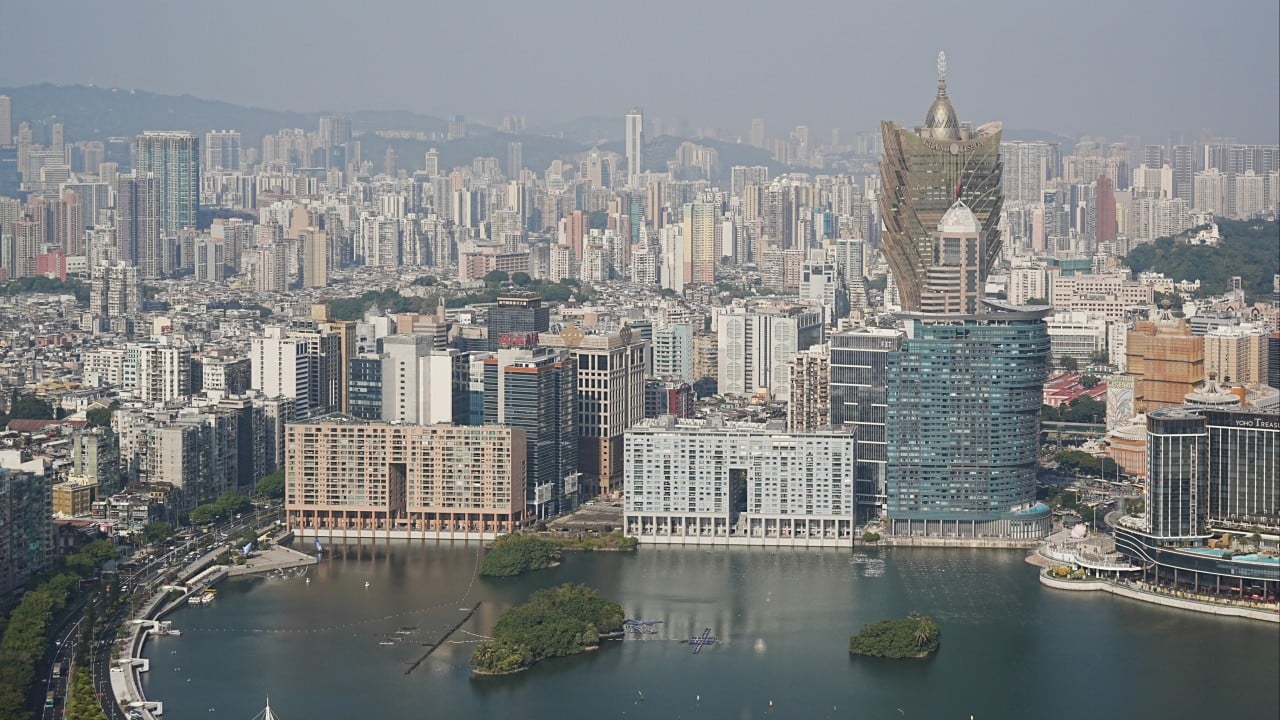
Macau has long positioned itself as the glittering entertainment capital of Asia, relying heavily on international visitors to fuel its massive gaming and hospitality sectors. By pulling high-level attendance from a major tourism summit, the US is directly striking at that economic ambition. It highlights a growing trend where Washington refuses to separate commercial promotion from human security concerns.
Moving Forward in a Tense Environment
If you are an international event planner, a corporate traveler, or an expat navigating this space, you cannot afford to ignore these diplomatic shifts. The rules of engagement are changing rapidly.
Actionable Steps for Global Teams
- Review Emergency Protocols: Do not rely on standard embassy support plans if your teams are operating in Macau. Build local legal and medical contacts who can act instantly without needing cross-border diplomatic clearance.
- Audit Travel Documents: Ensure all personnel enter the region on clear, unambiguous travel documents. Anyone with potential dual-status issues needs a thorough risk assessment before departure.
- Secure Your Data: Implement strict data hygiene practices. Use clean travel devices and clear sensitive corporate information before crossing borders where digital searches are common practice.
The situation shows no signs of quick resolution. As long as Beijing views diplomatic access as a tool for political leverage, Washington will likely continue to use its absence as a weapon of protest. The empty chairs at the Macau tourism summit are a vivid reminder that in modern diplomacy, what you skip matters just as much as what you attend.