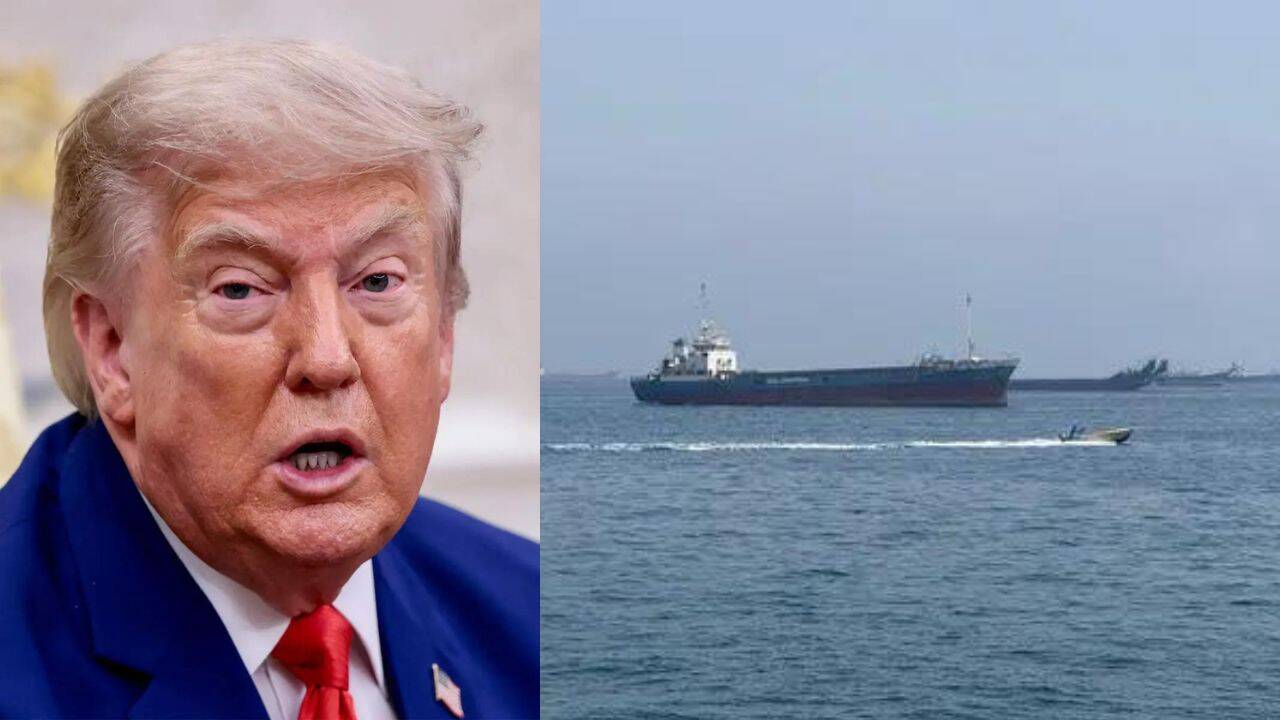
The Strait of Hormuz is locked down. US Central Command reports that naval forces have redirected 55 commercial vessels, boarded two, and disabled another two while enforcing a strict maritime blockade against Iran. Over 20 American warships remain stationed across the region to sustain this pressure.
If you think this is just standard posturing, look closer. Global energy pathways are being filtered through the crosshairs of carrier strike groups.
Let's break down what is actually happening on the water, why Washington shifted tactics, and what this means for global shipping lanes.
Inside the Maritime Lockdown
The numbers tell a stark story. As of August 2026, CENTCOM figures show a steady escalation in enforcement actions. Assets like the guided-missile destroyer USS Ross and the aircraft carrier USS Abraham Lincoln are actively managing the choke point. Flight decks are humming with maintenance on F/A-18E Super Hornets to keep strike groups mission-ready.
Cargo vessels attempting to navigate the Gulf face immediate interception. The policy isn't an outright blanket closure for everyone, though. More than 30 ships carrying humanitarian aid have received clearance to pass through the blockade. Everything else gets scrutinized, redirected, or stopped.
The military reality on the ground and at sea is straightforward. Washington wants economic isolation to do the heavy lifting.
The Shift From Direct Conflict to Economic Choke Points
President Donald Trump recently signaled a pivot in strategy. Instead of driving a fresh military offensive, the administration is leaning into an economic squeeze.
Reports indicate the White House is tracking Iran's plummeting currency and soaring inflation rates. Officials have characterized the current posture as low-key. They are maintaining tight naval enforcement while watching Tehran struggle with internal financial collapse.
Vice President JD Vance noted that Washington is working on secure routing frameworks to let compliant commercial traffic move safely. Meanwhile, pending agreements involving regional mediators like Oman aim to carve out partial transit control.
Yet, trust remains thin. Tehran continues to navigate severe economic pressure while dealing with the fallout of ongoing regional friction.
What This Means for Global Trade and Energy
You can't mess with the Strait of Hormuz without sending shockwaves through global markets. A massive percentage of the world's petroleum flows through this narrow waterway. When over 20 warships start dictating who enters and exits, shipping companies feel the pinch instantly.
Insurance rates for Gulf transit have skyrocketed. Route diversions add days and millions of dollars in operational costs to commercial voyages. Captains are playing high-stakes chess with naval patrols every single day.
If you manage logistics, supply chains, or energy portfolios, ignoring these naval updates is a gamble. Keep an eye on CENTCOM updates and watch how regional intermediaries handle upcoming transit agreements.
The standoff isn't winding down quietly. It is shifting into a war of economic attrition on the high seas. Stay alert.