The sixty-day clock has officially run out on the fragile diplomatic truce between Washington and Tehran, leaving the much-touted US-Iran Memorandum of Understanding dead in the water. Signed in Islamabad on June 17, 2026, by U.S. President Donald Trump and Iranian President Masozd Pezeshkian, the agreement was supposed to bridge months of military escalation. Instead, it collapsed under the weight of conflicting ambitions, structural ambiguities, and deep-seated mutual distrust long before its expiration date.
If you look closely at how the arrangement unraveled, the failure wasn't a shock. It was a mathematical certainty.
The High Hopes of June and the Reality of July
When the interim deal was hammered out with mediation from Pakistan and Qatar, officials praised it as a breakthrough. The text promised an immediate and permanent halt to military operations across all fronts. It set up a strict two-month window to negotiate a permanent settlement, tackle Iran's nuclear ambitions, and address crippling economic sanctions.
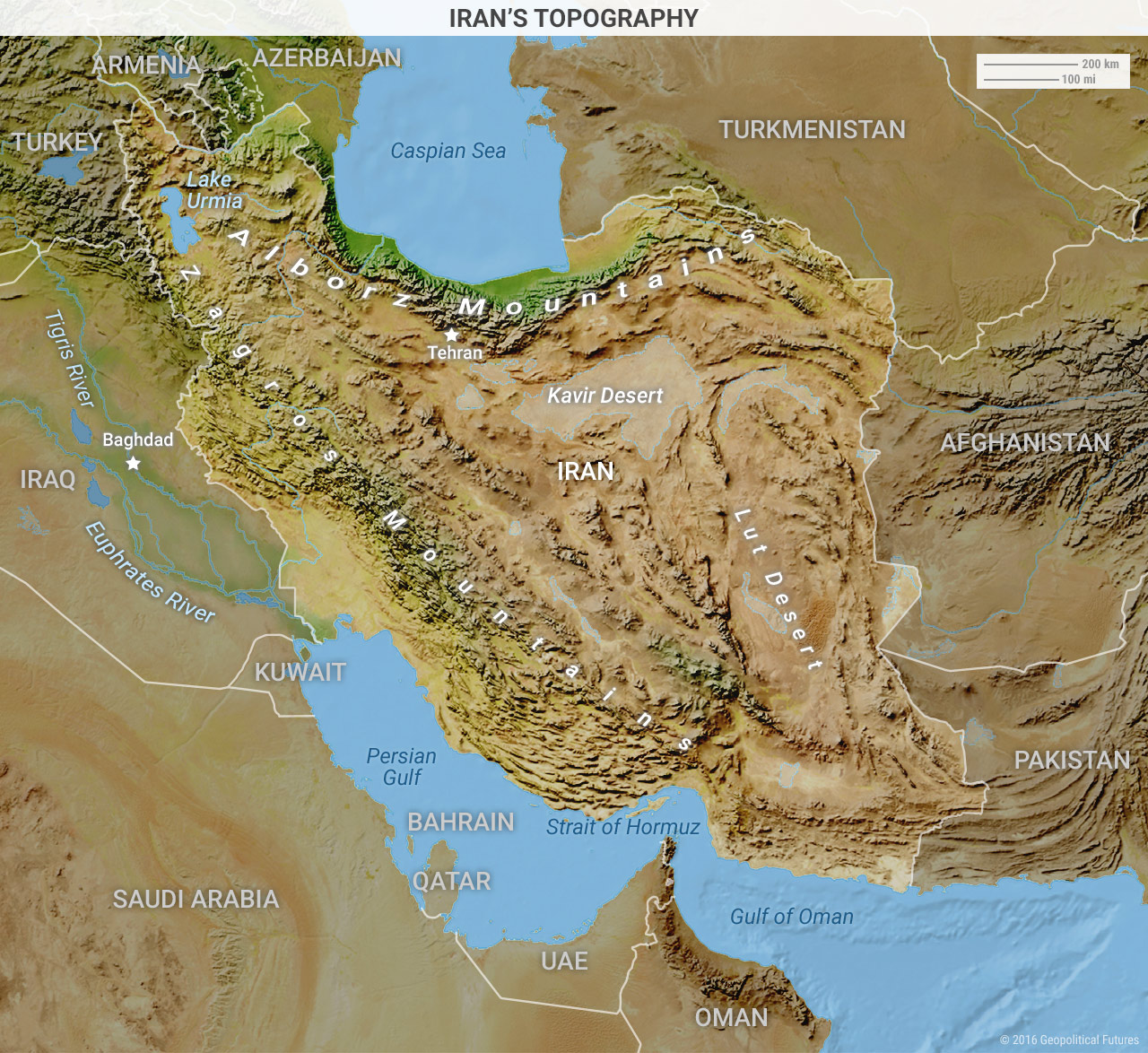
Washington committed to lifting its naval blockade within thirty days and eventually rolling out a reconstruction package worth at least $300 billion once a final treaty was signed. Tehran agreed to clear mines from the Strait of Hormuz and guarantee unhindered commercial passage for sixty days.
It sounded neat on paper. In practice, it lasted roughly three weeks.
By late June, both sides were already trading accusations of bad faith. Iranian forces engaged vessels near transit corridors overseen by the U.S. military, prompting Washington to launch retaliatory airstrikes. By July 7, President Trump publicly declared the agreement over. Iran formally suspended its compliance shortly after, arguing that the United States had breached the core tenets of the text almost immediately.
Why the Framework Fell Apart
Several structural flaws ensured the memorandum could never survive long-term.
First, the timeline was absurdly short. Expecting decades of hostility, a complex nuclear file, billions in frozen assets, and regional security architectures to be resolved in sixty days was pure fantasy.
Second, the text left critical operational details dangerously vague. The agreement mandated that the Strait of Hormuz reopen, but it never clearly defined who would manage commercial routes or how traffic checkpoints would operate. Tehran insisted on retaining administrative control over the vital waterway through separate arrangements with Oman, demanding fees and asserting sovereign authority. Washington wanted the strait open unconditionally under pre-war international norms, rejecting any notion of Iranian gatekeeping.
Third, regional dynamics outside the control of the signatories fractured the truce. The agreement lacked buy-in from other regional actors and proxy forces, meaning flare-ups in areas like Lebanon instantly strained the diplomatic fabric.
The Return of Economic and Naval Pressures
As the final deadline passed, the practical consequences hit global markets instantly. Shipping traffic through the Strait of Hormuz, a conduit for roughly a fifth of the world's petroleum supply, plummeted. Tanker activity dropped to a trickle compared to pre-war averages, sending Brent crude prices spiking past $89 a barrel.
The U.S. Treasury responded by ramping up pressure, moving to reinstate severe enforcement measures and reimposing a strict naval blockade. Meanwhile, Iranian leadership made it clear that normal transit through the gulf will stay blocked until Washington changes course, drops sanctions, and meets strict compensation demands.
Direct bilateral talks have ground to a halt. While regional mediators like Islamabad and Doha continue passing messages between the two capitals, neither side shows any appetite for reviving a dead framework. Washington maintains that preventing Tehran from acquiring a nuclear weapon remains its absolute priority, while Tehran demands that the U.S. honor the original timeline of unfulfilled commitments before anyone sits back down at the table.
The expiration of the memorandum leaves the region right back where it started: staring across a militarized gulf with no diplomatic safety net.