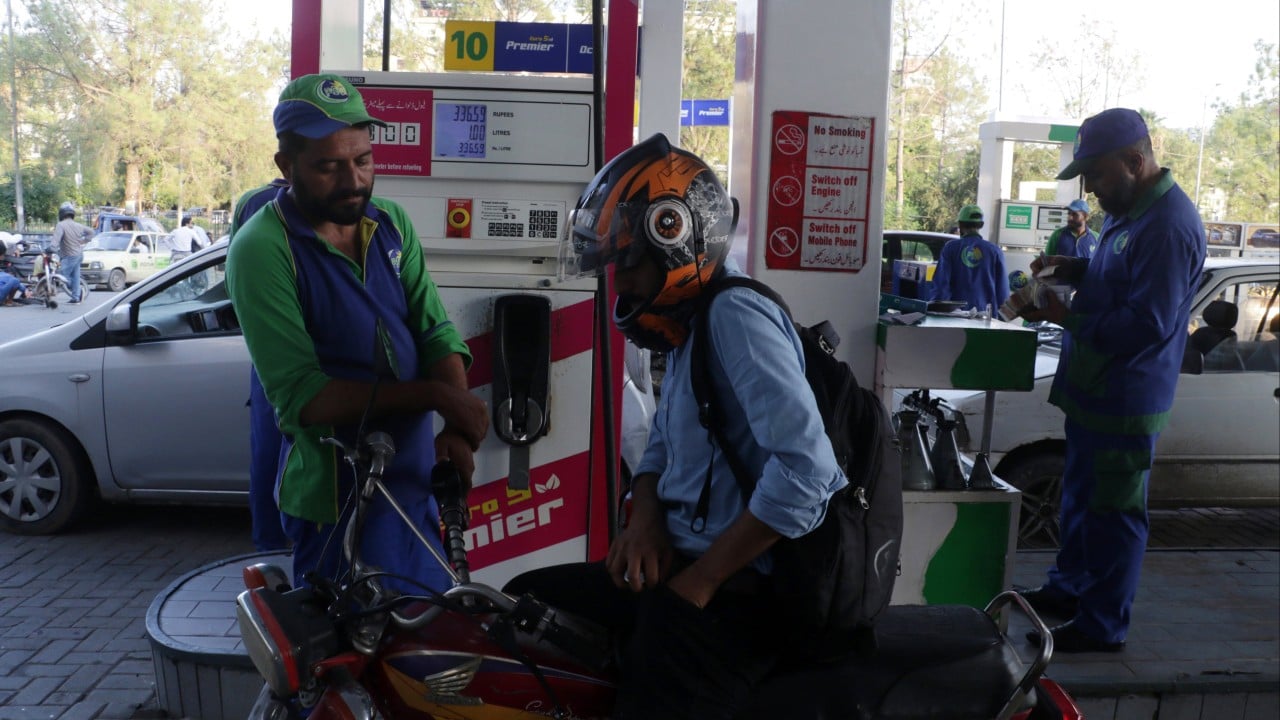
When geopolitical flashpoints erupt thousands of miles away, ordinary citizens in South Asia usually assume they'll only feel the impact at the petrol pump. Right now, that assumption is entirely wrong. The ongoing US-Iran conflict has metastasized into a full-scale financial emergency for nations like Pakistan and Bangladesh, squeezing foreign reserves and stalling critical supply chains. You aren't just looking at higher fuel bills; you're looking at a systemic threat to economic survival.
Let's look at why this crisis hits South Asia so brutally. Pakistan and Bangladesh rely heavily on stable maritime trade routes and predictable energy imports. When the Strait of Hormuz turns into a militarized zone, energy markets panic instantly. Brent crude spikes, shipping insurance rates skyrocket, and cargo carriers start canceling scheduled stops. If you run a manufacturing plant in Dhaka or manage household budgets in Islamabad, you feel that shockwave within days.
The Energy Trap and Supply Chain Nightmares
Energy security is a fragile illusion in developing economies. When oil prices surge due to Middle Eastern hostilities, import bills balloon overnight. Pakistan faces painful fiscal deficits just trying to keep power plants running. Bangladesh, whose export-driven garment sector depends completely on steady electricity and functioning logistics, sees its operational costs multiply.
Air cargo routes tell the same painful story. More than half of Bangladesh's air freight normally transits through Gulf hubs. When regional airspace faces restrictions or carriers pull out, shipping schedules collapse. Garment factories struggle to deliver seasonal inventory to Western buyers on time. Buyers don't care about your geopolitical excuses; they simply move orders elsewhere. That's how a foreign policy crisis halfway across the globe directly destroys local manufacturing jobs.
Remittances Under Pressure
It's easy to focus solely on trade deficits while ignoring the human engine driving these economies: remittances. Millions of workers from Pakistan and Bangladesh toil across the Gulf states, sending billions of dollars home every single month. These cash transfers keep rural families afloat and stabilize national foreign exchange reserves.
When conflict flares up in the Middle East, migrant workers face immediate employment vulnerabilities. Local businesses in host countries cut back operations to weather the economic uncertainty, putting expat jobs on the line. If remittances dry up, consumer spending inside Pakistan and Bangladesh plummets. Local banks lose their liquidity cushions, and central banks burn through their meager foreign reserves trying to defend local currencies against rapid depreciation.
What Governments Are Missing
Policymakers in Islamabad and Dhaka love to talk about resilience, but real resilience requires structural diversification. Relying on single-source energy imports or traditional diplomatic balancing acts doesn't work when supply chains fracture completely.
- Diversify energy grids: Transitioning away from oil dependence isn't an environmental luxury anymore; it's national security.
- Secure regional trade corridors: Overland trade agreements need active investment to bypass vulnerable maritime chokepoints.
- Build strategic reserves: Maintaining adequate fuel buffers prevents panic buying and severe market distortions at local pumps.
Governments must stop treating these disruptions as temporary anomalies. The modern global economy moves from one shock to the next with terrifying speed. If you don't build redundancy into your national infrastructure today, tomorrow's geopolitical crisis will write your economic obituary. Stop waiting for stability to return on its own. Protect your supply lines, shore up alternative energy pacts, and prepare for a volatile future.