The fragile diplomatic bridge between Washington and Tehran didn't just crack. It shattered completely.
If you're trying to figure out why US fighter jets just dropped laser-guided munitions on coastal radar stations and missile depots inside Iran, you don't need to look at a map of Washington or Tehran. You just need to look at a 21-mile-wide choke point of water where 20% of the world's petroleum flows every single day.
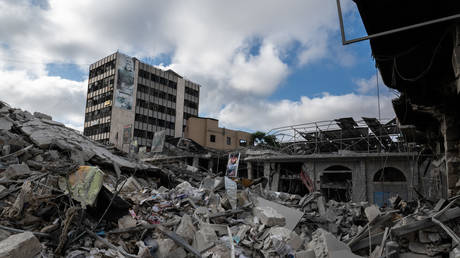
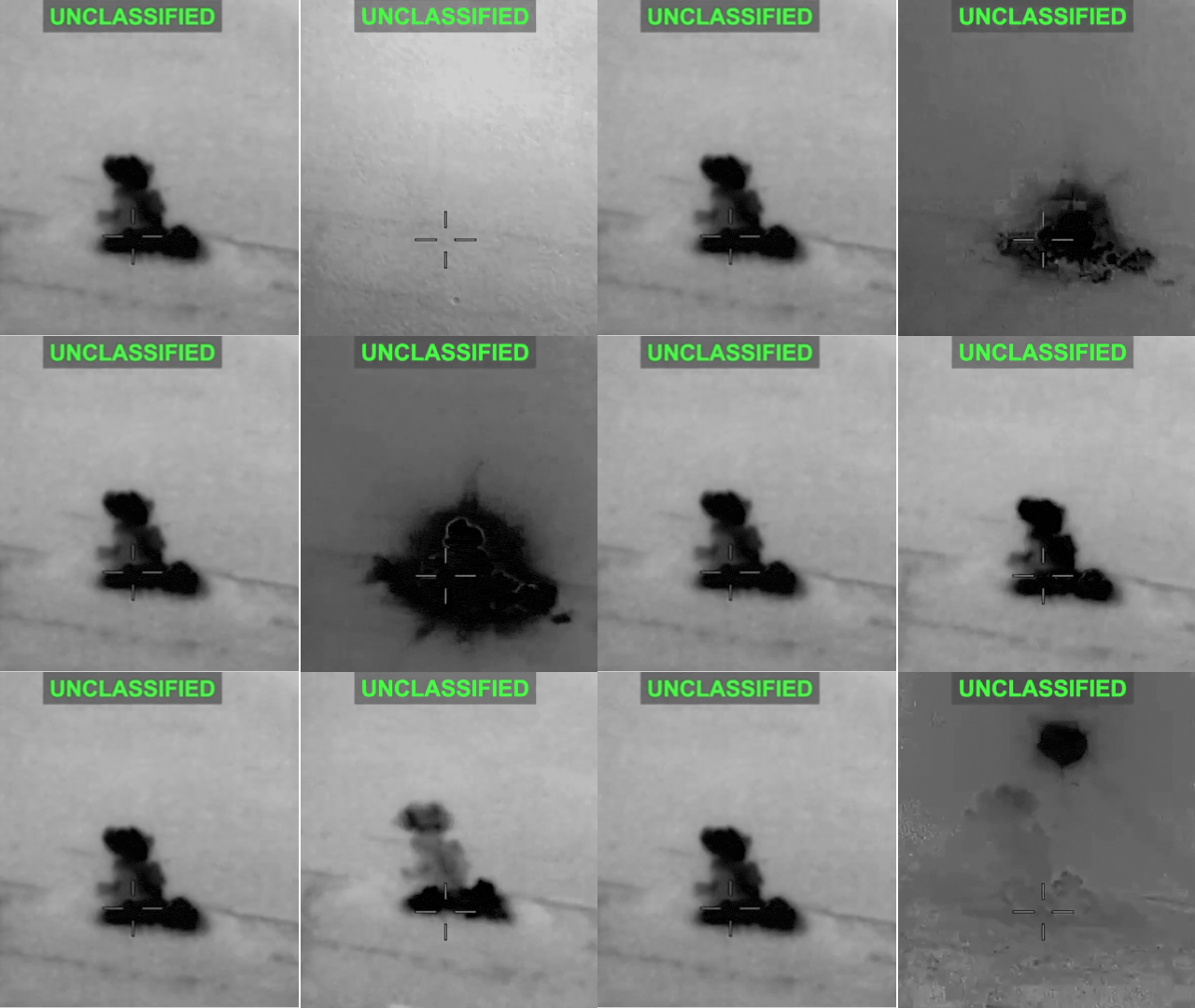
On June 26, 2026, US Central Command (CENTCOM) blasted out black-and-white gun camera footage across social media. The videos show devastating precision strikes obliterating military infrastructure near Sirik, an Iranian port town along the Gulf of Oman. The military theater here is clear: Washington wanted the world, and specifically Iran's leadership, to watch the explosions in crisp, high-definition clarity.
But these strikes weren't unprovoked aggression. They were a direct, furious reaction to a massive miscalculation by Iranian forces just 24 hours prior.
The Spark That Blew Up the Ceasefire
The immediate trigger for the violence happened on June 25, when Iran launched four one-way attack drones at commercial shipping lanes. Three were shot down by American defensive systems. One got through.
That lone kamikaze drone slammed directly into the M/V Ever Lovely, a massive Singapore-flagged cargo vessel. At the exact moment of the impact, the merchant ship was minding its own business, exiting the Strait of Hormuz along the Omani coast.
For the White House, hitting a civilian commercial liner in an international transit corridor crossed an absolute red line. President Donald Trump made the administration's stance unmistakable, calling the drone strike a "foolish violation" of the tentative interim ceasefire the two nations had ironed out only a week prior. When reporters pressed him on whether the US would retaliate, his response was brief and ominous: "You'll find out."
A few hours later, six US aircraft took off to deliver that answer.
What the CENTCOM Footage Tells Us
The military video released by CENTCOM reveals a highly coordinated, surgical effort to blind and disarm Iranian forces along the coast. It isn't just generic footage of explosions; it details the specific destruction of four primary tactical targets:
- Coastal radar installations used to track international shipping and vector drone strikes.
- One-way attack drone storage warehouses.
- Anti-ship missile batteries tucked away near the Sirik harbor.
- Command and control nodes directing local naval units.
The footage shows crosshairs locking onto localized compounds, followed by instantaneous white-hot flashes as munitions cook off stored explosives inside the buildings. By hitting these exact spots, the Pentagon targeted the specific hands that launched the attack on the M/V Ever Lovely.
Naturally, Tehran isn't staying quiet. The naval wing of the Islamic Revolutionary Guard Corps (IRGC) immediately claimed they launched their own retaliatory strikes against "US Army deployment sites in the region." While they didn't specify what they actually hit or offer proof of damage, they claimed their actions were justified under the "Islamabad Memorandum of Understanding," asserting that Iran alone holds transit authority over the Strait of Hormuz.
The Economic Realities of a Hormuz Conflict
This isn't just a localized dispute between two bitter rivals. This is a knife fight over a global economic windpipe.
When Iran threatens to close or tightly regulate traffic through the Strait of Hormuz, global energy markets freak out for a reason. Merchant ships exiting the Persian Gulf have nowhere else to go. To combat the threat of underwater mines blocking the channel, intelligence insiders indicate that US and coalition forces are already organizing an aggressive demining operation.
There's even talk of setting up a direct military hotline between Washington and Tehran solely to keep demining ships from accidentally triggering a massive, full-scale naval war. Whether that hotline actually gets built remains a wide-open question.
What Comes Next
Don't expect things to cool down over the weekend. Capitol Hill lawmakers are already sounding the alarm that this exchange signals a much longer, uglier conflict. As Representative Suhas Subramanyam of Virginia openly warned following the strikes, "I don't believe this war is anywhere near over."
If you want to understand where this crisis goes tomorrow, keep your eyes on two specific indicators:
- Shipping Insurance Rates: Watch how fast maritime insurance premiums spike for commercial vessels entering the Gulf. If they skyrocket, shipping lines will pause routes, causing an immediate ripple effect at gas pumps worldwide.
- Gulf State Alliances: Iran has explicitly warned neighboring Gulf nations against cooperating with Washington. Watch whether countries like Oman, the UAE, or Saudi Arabia publicly tighten security ties with the US military or try to play neutral to avoid Iranian wrath.