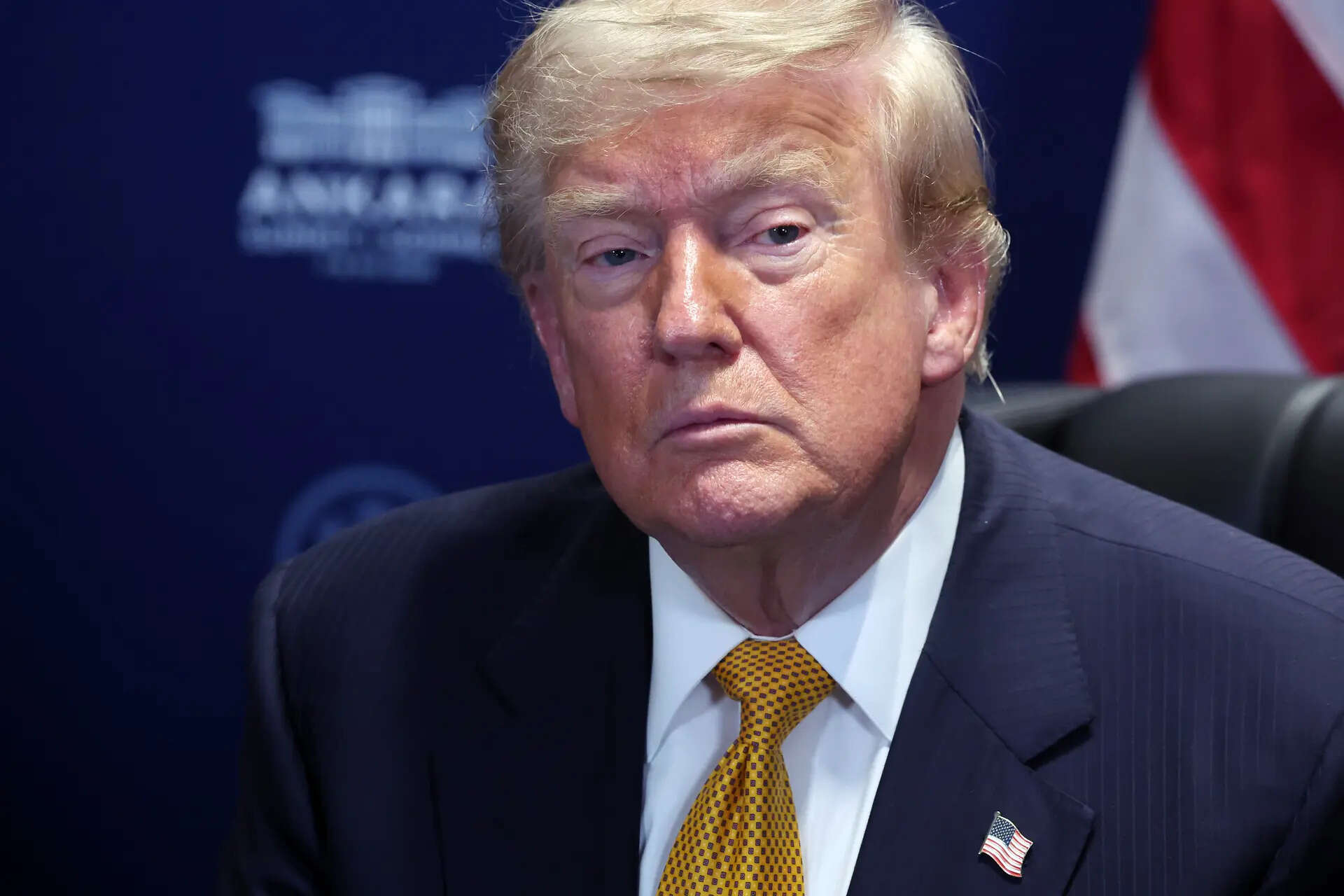
The fragile peace lasted exactly three weeks. On Wednesday, sitting next to NATO Secretary General Mark Rutte at a summit in Ankara, Donald Trump declared that the June 17 interim accord with Iran is dead.
"To me, I think it’s over. I don’t want to deal with them," Trump told reporters. He didn't hold back, calling the Iranian leadership scum and sick people.
The collapse of the truce wasn't a slow burn. It happened overnight. Following a series of Iranian attacks on three commercial tankers in the Strait of Hormuz, Washington pulled the plug on Tehran’s temporary oil export lifeline. Hours later, American warplanes and warships launched massive retaliatory strikes across the region.
If you are trying to understand why oil prices just surged past 6% or why global markets are panicking, you need to look at the immediate reality on the water. The short-lived experiment in diplomacy has completely unraveled, and both nations are right back on the brink of full-scale war.
What Triggered the Sudden Collapse
The June 17 pact was supposed to buy 60 days of breathing room. The goal was to negotiate a permanent end to a conflict that began back on February 28 with US and Israeli strikes on Iranian infrastructure. Instead, the truce became a tactical window that both sides used to regroup.
Tensions spiked during the funeral period for Iran’s Supreme Leader, Ayatollah Ali Khamenei. Washington expected a lull in hostilities. Tehran chose a different route. Rockets targeted commercial vessels in the strategic Strait of Hormuz, a vital chokeway that carries roughly 20% of global energy supplies.
Trump’s response was swift. The US military targeted Iranian air defense systems, radar installations, and over 60 fast-attack boats operated by the Islamic Revolutionary Guard Corps. The strikes hit hard, hitting port cities like Bandar Mahshahr and Bushehr.
Tehran did not sit on its hands. The Revolutionary Guard fired back, launching missile strikes at US military installations in Bahrain and Kuwait. Air sirens blared across both Gulf states, pushing regional anxiety to its highest point this year.
The Strategic Disconnect in the Strait of Hormuz
The core issue has always been about control over global shipping lanes. Vice President JD Vance recently made the administration's position clear, stating that Iran would never be allowed to levy tolls on ships passing through the Strait of Hormuz.
Iran sees it differently. Parliament Speaker Mohammad Bagher Qalibaf fired back on social media, claiming the era of extortion is over and that Iran will not fold. Iranian officials insist they have a legal right to manage and tax the traffic alongside Oman.
The initial framework offered Iran financial incentives and a temporary sanctions waiver to export oil. In return, Tehran was supposed to lift its chokehold on the shipping lanes. That deal is gone. By revoking the 60-day oil waiver, the White House has re-imposed a total economic blockade on Iranian energy exports, leaving millions of barrels of oil in legal limbo.
A Furious Outburst at NATO
Trump’s frustration isn't just directed at Tehran. His arrival at the Ankara summit turned into a 15-minute tongue-lashing directed at America's closest allies. He slammed European leaders for failing to back US military actions in the Middle East.
Aside from the United Kingdom, European nations refused to allow the US military to utilize their airbases for bombing runs against Iran. Trump complained bitterly that American pilots had to fly weeks out of their way because allies wouldn't cooperate.
The diplomatic fallout spilled over into trade policy. Trump announced he ordered Treasury Secretary Scott Bessent to completely cut off trade ties with Spain, labeling Madrid a terrible partner due to its refusal to meet defense spending benchmarks.
Where Do We Go From Here
Despite the fiery rhetoric, a weird diplomatic paradox remains. Trump noted that while he considers the deal a waste of time, American negotiators in Doha are free to keep talking if they want to.
But talk is cheap when missiles are flying. The deconfliction channel linking the Revolutionary Guard and US Central Command is still open, but its utility is shrinking by the hour.
For businesses, energy analysts, and anyone watching global security, the next steps are concrete:
- Monitor Energy Supply Chains: With the Strait of Hormuz effectively becoming a combat zone again, oil and natural gas prices will remain highly volatile. Logistics teams must prepare for extended shipping reroutes around Africa.
- Watch Gulf Security Alerts: Commercial operations in Kuwait, Bahrain, and the UAE face an elevated risk of asymmetric drone and missile attacks. Security protocols for personnel in the region need immediate review.
- Track Secondary Sanctions: The revocation of the Iranian oil waiver means Washington will aggressively target any foreign entity attempting to buy or transport Iranian crude. Compliance teams must tighten supply-chain audits.
The temporary ceasefire failed because it tried to paper over a fundamental geopolitical divide. Washington demands an open ocean and a dismantled Iranian nuclear program. Tehran demands regional hegemony and an end to economic strangulation. Neither side is willing to blink, and the illusion of a diplomatic shortcut has officially evaporated.