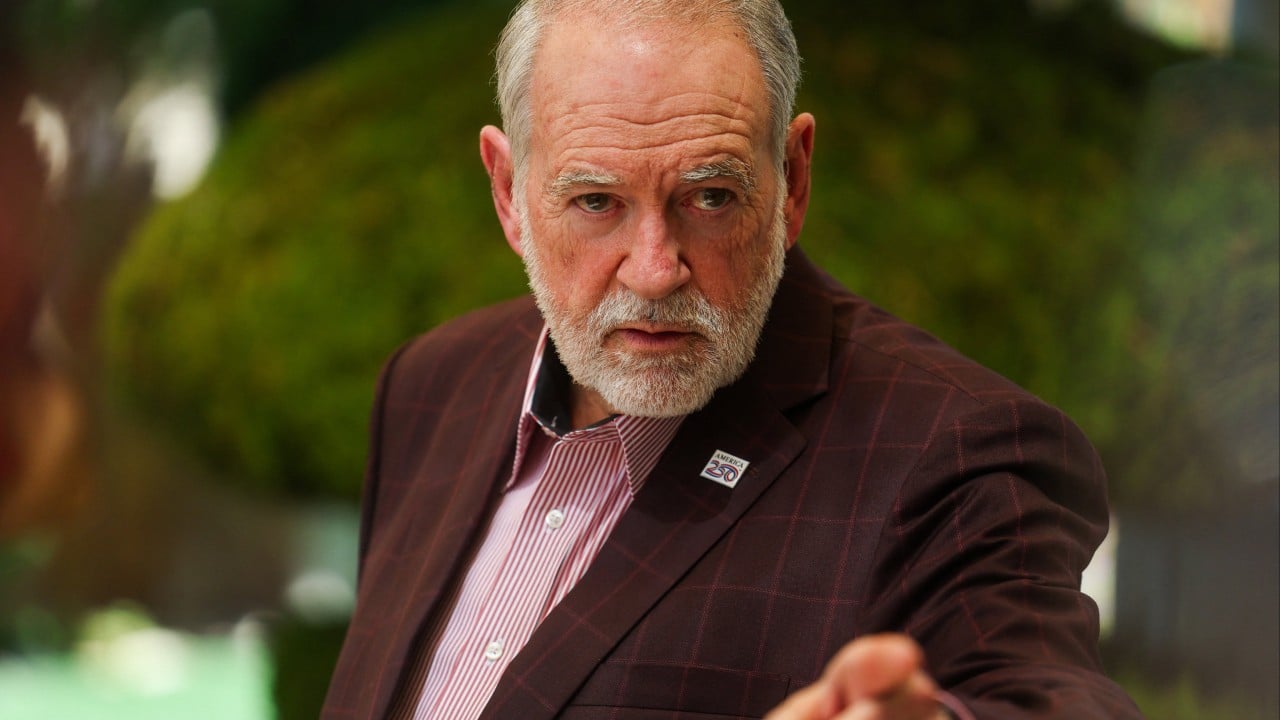
Words matter in diplomacy. When a top American diplomat abandons careful diplomatic phrasing to label violent Israeli settlers as "terrorists," the geopolitical ground shifts beneath your feet.
US Ambassador Mike Huckabee didn't mince words during a recent visit to the West Bank town of Turmus Ayya. Standing face-to-face with Palestinian American residents whose homes and cars have been torched, he called the behavior exactly what it is. An act of terror. Not a localized scuffle. Not a minor property dispute. Terror.
Breaking the Diplomatic Mold
For decades, international officials walked on eggshells. They used sanitized bureaucratic terms like "extremist elements" or "unauthorized outpost activity." Those days are over. When you burn a mosque, smash up a family home, or spray-paint intimidation messages on residential walls, you cross a bright line.
Huckabee pointed out the obvious reality that career diplomats usually avoid. Burning cars and seizing private property aren't just garden-variety crimes. They are deliberate campaigns of intimidation designed to terrify communities off their land. Using the word "terrorist" changes the framing from local law enforcement trouble to a matter of acute national security.
The Ground Reality in the West Bank
If you look at the statistics coming out of the occupied territories, the escalation becomes glaringly clear. This isn't happening in a vacuum. Thousands of violent incidents have ripped through Palestinian towns over the past year. Families wake up to smashed windows, torched olive groves, and armed intruders flying unauthorized flags on private rooftops.
Take Turmus Ayya as a prime example. The town has endured wave after wave of targeted attacks. Palestinian Americans who hold dual citizenship often return to their ancestral homes hoping for peace, only to find themselves under military-style siege from radical groups.
When international representatives actually visit these sites and see the charred metal of burned-out vehicles with their own eyes, the polite diplomatic fictions collapse.
Why This Shift Stings So Much
Labels carry policy consequences. Once a government official starts applying the "terrorist" label to domestic or allied rogue factions, the pressure mounts for concrete action. Sanctions freeze assets. Visa bans lock people out of international travel. Law enforcement agencies face immense pressure to treat these perpetrators with the same severity reserved for any other militant network.
Critics on various sides of the aisle are watching closely to see if rhetoric turns into sustained enforcement. Condemnations make for good headlines, but people living under threat need physical protection and actual accountability. Without arrests, trials, and real legal penalties, words remain just words.
The status quo in the West Bank is fraying at the edges. When even staunch defenders of traditional alliances start drawing hard lines against vigilante violence, the conversation enters a new phase. Ignore the political spin and watch what happens next on the ground. That is where the real story unfolds.
US Ambassador Huckabee Visits West Bank Town Hit By Settlers
This video provides direct footage and on-the-ground context regarding Ambassador Mike Huckabee's visit to the West Bank town of Turmus Ayya to meet Palestinian American residents affected by settler attacks.