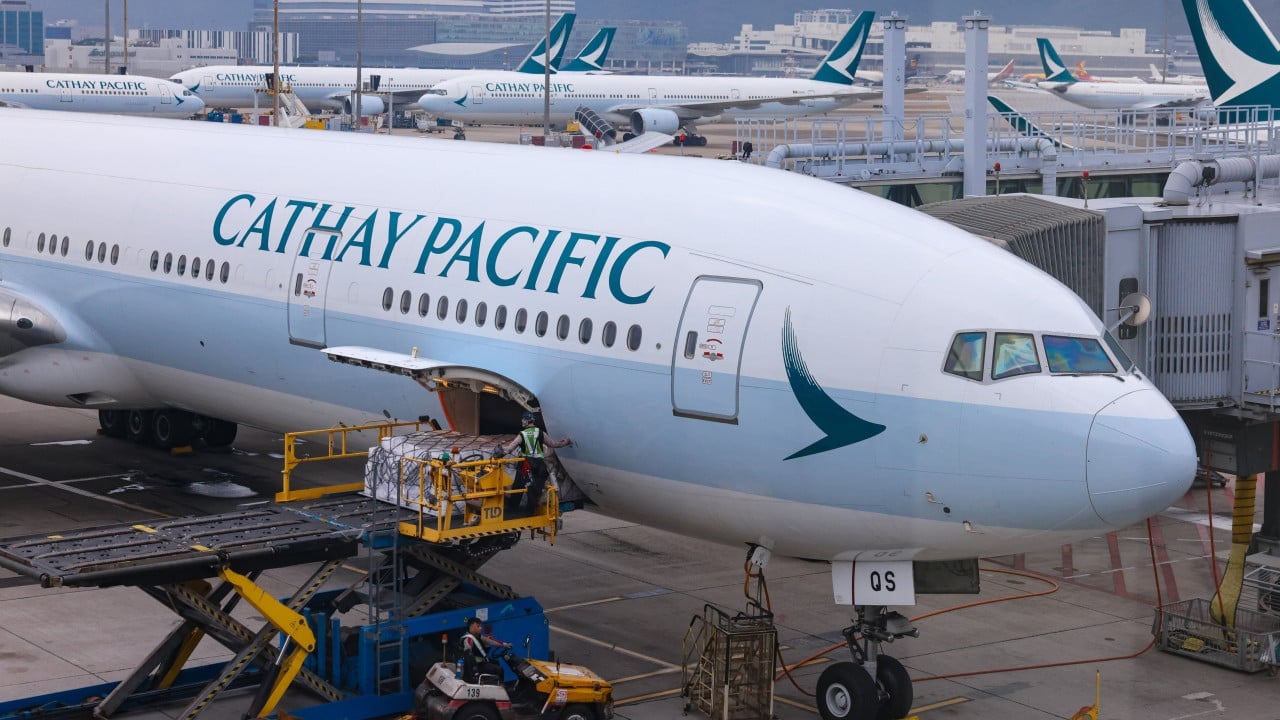
A sudden nationwide ground stop across the United States threw international schedules into complete disarray, leaving airlines scrambling to manage stranded passengers and cascading delays. For Hong Kong’s flag carrier, Cathay Pacific, the ripple effects hit key transpacific routes just as the Federal Aviation Administration (FAA) grappled with a massive telecommunications and air traffic control equipment outage.
If you are flying transpacific right now or trying to track a loved one's journey back to Chek Lap Kok, understanding how these airspace shutdowns impact global hubs is essential. Let’s break down what actually happened, how Cathay Pacific managed the fallout, and what you should do if your itinerary gets caught in the backlog.
Understanding the US Ground Stop Fallout
The disruption began when the FAA enforced a rare nationwide ground stop following severe communication issues across its air route traffic control centers. Nearly 5,000 flights were grounded or canceled, marking one of the most severe disruptions to American airspace in recent history. While the order primarily targeted domestic departures, international networks tethered to US hubs felt an immediate shockwave.
Cathay Pacific confirmed that two major long-haul services were directly trapped in the chaos: flight CX807 from Chicago and flight CX879 from San Francisco. Both aircraft were grounded locally on November 13, forcing the airline to arrange overnight hotel accommodations for stranded travelers while awaiting clearance from airport authorities.
Why Regional Congestion Lasts Longer Than the Ground Stop
Most travelers assume that once authorities lift a ground stop, operations instantly snap back to normal. That is rarely how commercial aviation works. Even though the FAA lifted the nationwide shutdown hours later, the structural backlog took days to clear.
Air traffic control facilities operate on strict hourly slot capacities. When thousands of flights are abruptly halted, airports face severe gridlock once departures resume. Grounded aircraft occupy gates, incoming jets circle or divert, and crew scheduling limits legally prevent pilots from operating flights if their duty hours expire. Cathay Pacific warned passengers that lingering congestion at US gateway airports would trigger rolling delays across subsequent Hong Kong-bound rotations.
What to Do If Your Transpacific Flight Is Delayed
Aviation disruptions of this scale test the patience of even frequent flyers. Navigating the aftermath requires a proactive approach rather than waiting passively in line at the airport counter.
- Monitor airline apps directly: Real-time updates often appear on carrier apps long before airport departure boards refresh. Turn on push notifications for your specific flight number.
- Utilize self-service rebooking: If a flight is canceled or severely delayed, use Cathay's mobile app or website immediately to view alternative routing options. Securing a seat early beats standing behind hundreds of desperate passengers at the transit desk.
- Understand your accommodation rights: When disruptions stem from external ground stops or air traffic control mandates, standard airline compensation policies can vary, but reputable carriers like Cathay typically provide hotel vouchers and meal allowances for extended overnight delays, as seen with the Chicago and San Francisco services.
- Check connecting itineraries: If your ticket involves a codeshare or a connection beyond Hong Kong, verify that downstream legs haven't automatically canceled due to a missed initial segment.
Systemic tech failures in major aviation markets prove how fragile interconnected global flight corridors remain. Keep a close eye on your flight status board, maintain flexibility, and build extra buffer time into international travel plans when flying through major US hubs.