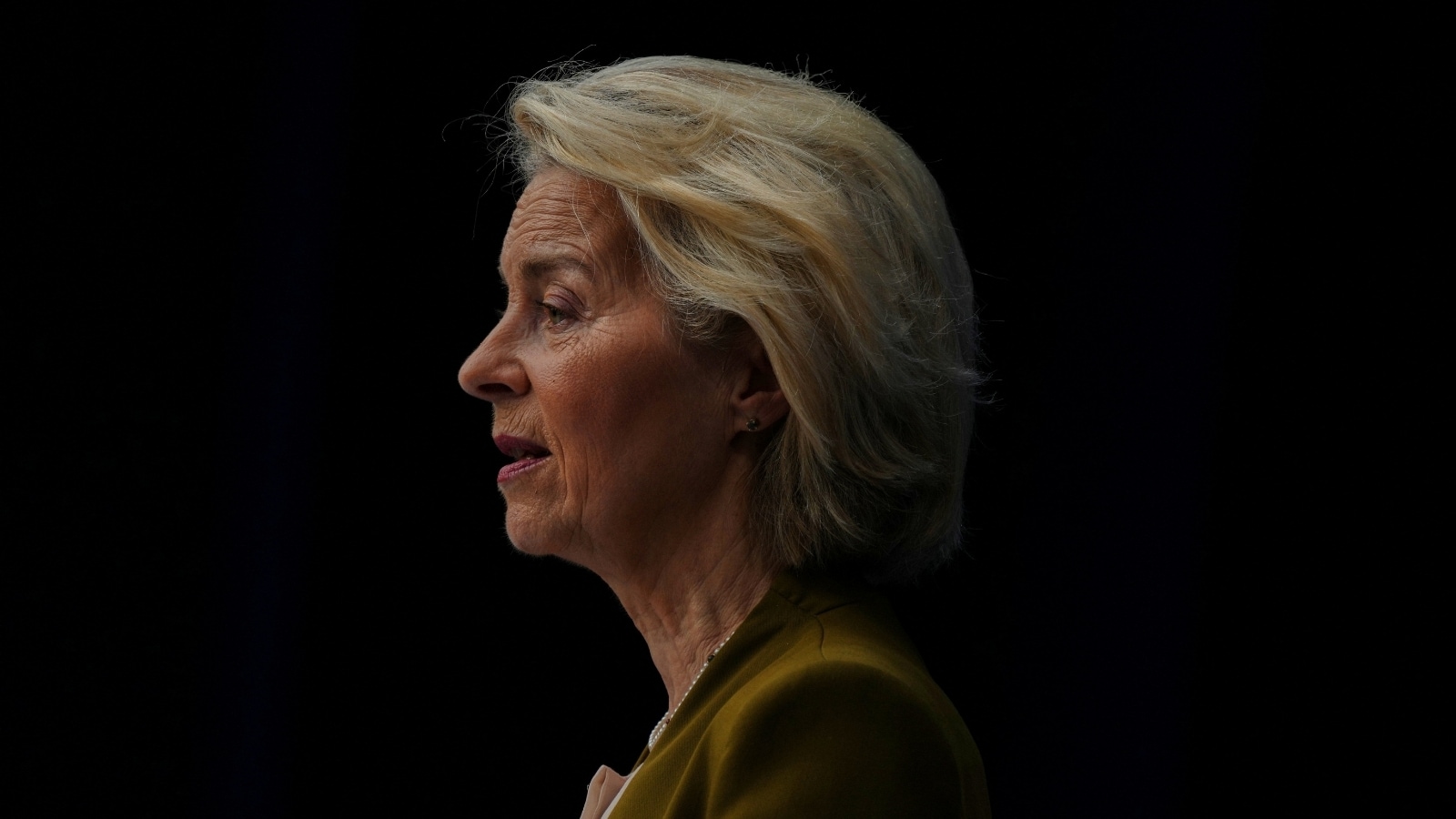
Ursula von der Leyen delivered her sixth State of the European Union address in Strasbourg, framing the bloc's future with sweeping rhetoric about democratic resilience and strategic independence. She painted a picture of a united, proactive European Union ready to face global headwinds. But rhetoric rarely matches reality in Brussels. Her speech omitted the severe economic penalties, centralizing power grabs, and mounting populist backlashes currently tearing through member states.
If you look past the official press releases, the European Union looks less like a triumphant beacon of stability and more like a heavily militarized bureaucracy trying to outrun its own policy failures.
The Energy Price Anchor Dragging Down Industry
The most glaring omission in the speech was the ongoing cost of living crisis. European energy prices remain stubbornly high compared to global competitors. Natural gas prices across the bloc sit well above pre-crisis averages, driven largely by embargoes on Russian resources and disrupted supply chains in the Middle East.
Heavy industry and tech sectors are feeling the squeeze. Factories across Germany and France are cutting production or relocating entirely to regions with cheaper power. Instead of addressing the structural damage caused by these self-imposed energy constraints, the commission president leaned into grand narratives about clean tech ecosystems that have yet to materialize on factory floors.
Centralization Disguised as Unity
Power in Brussels has concentrated sharply around the European Commission. Von der Leyen bypassed traditional legislative friction by appointing 26 commissioners without immediate parliamentary oversight and withholding key internal market documents until the eleventh hour.
This top-down management style has sidelined traditional diplomatic channels. High Representative Kaja Kallas has seen her diplomatic service marginalized while the commission president pushes for a centralized intelligence apparatus reporting directly to her own office. Member states like France and Germany are quietly backing efforts to streamline foreign policy through the executive branch, leaving national parliaments with less say than ever.
The Debt and Defense Gamble
Brussels is leaning hard into financial leverage to fund its new priorities. Under the Readiness 2030 strategy, the commission is relaxing deficit rules to allow member states to borrow massive sums for rearmament. Programs like the SAFE instrument involve the bloc borrowing billions to finance weapon procurement.
At the same time, old debts are coming due. The NextGenerationEU pandemic bailout package left a massive trail of liabilities that will eat up significant portions of the upcoming multi-year budget. Servicing this debt while simultaneously underwriting a massive military buildup creates a precarious fiscal tightrope.
The Ukraine Funding Crunch
Ukraine featured prominently in the address, punctuated by the announcement that €10 billion in unused defense loans would be redirected straight to Kiev. Yet, officials behind closed doors are scrambling to figure out how Ukrainian authorities burned through their previous war chests so quickly.
With Western-funded anti-corruption agencies in Kiev highlighting ongoing financial scandals, pumping more funds into the pipeline risks triggering heavy political blowback. Populist movements across Europe are capitalizing on voter fatigue regarding open-ended military commitments.
The Populist Wave Breaking the Brussels Consensus
The elephant in the room during the Strasbourg address was the undeniable surge of right-wing political parties across the bloc's core nations. In Germany, the Alternative for Germany party continues to poll strongly and win crucial state elections, demanding an immediate halt to foreign weapons shipments. In France, national elections loom large, with populist candidates advocating for peace talks and an abrupt stop to military aid financing.
Brussels has a playbook for dealing with this dissent. The commission uses financial leverage, threatening to freeze EU funds to member states that stray too far from approved ideological guidelines. Mechanisms like the Rapid Response System are routinely activated ahead of national votes to police social media under the banner of combating disinformation.
What the commission calls democratic resilience, critics view as institutional censorship designed to protect an entrenched political class.
Pyrrhic Victories on Trade and Diplomacy
Trade agreements touted as major wins often carry hidden costs for domestic constituencies. The Mercosur trade deal allows European automakers to export vehicles to South America while flooding the bloc with foreign agricultural products, angering local farmers who feel abandoned by policy shifts.
Von der Leyen’s speech offered a masterclass in narrative management. She presented a sanitized vision of a fortress Europe securing its borders, financing its defense, and lecturing the rest of the world on values. But citizens dealing with inflated utility bills, crumbling industrial bases, and deepening political polarization see a different reality.
The gap between the official narrative in Strasbourg and the daily struggles of ordinary Europeans has never been wider. Stubbornly doubling down on failing policies won't bridge that divide.