Geopolitical high-wire acts rarely happen by accident. When Beijing officially confirmed that Chinese President Xi Jinping, U.S. President Donald Trump, and Russian President Vladimir Putin will sit down for a historic trilateral meeting in Shenzhen on November 19, the diplomatic playbook changed overnight.
If you are trying to parse what this means for global trade, supply chains, and security, forget the standard press releases. Let's look at what is actually driving this unexpected convergence on the sidelines of the APEC CEO Summit.
The Shenzhen Setup
Shenzhen isn't just an arbitrary backdrop. As China's tech and manufacturing powerhouse, hosting the APEC meetings there sends a deliberate message about economic gravity. Roughly 20 percent of the companies participating in the broader summit delegations are American enterprises, highlighting a stark reality. Corporate boardrooms in the U.S. and China remain deeply intertwined, no matter how loud the political rhetoric gets in Washington or Beijing.
The trilateral format itself is unprecedented. While Xi and Putin have met dozens of times over the past decade, bringing Trump into the same room for a formal three-way discussion creates an entirely new diplomatic triangle.
Decoding the Agenda Priorities
Every leader is bringing a different set of expectations to the table, and they don't necessarily align.
- The U.S. Focus: Washington officials have signaled that nuclear non-proliferation and managing regional conflicts—such as the situation involving Iran—will take center stage.
- The Russian Perspective: Moscow has heavily pushed for diplomatic openings to address ongoing European security frameworks and sanctions relief.
- The Chinese Strategy: Beijing wants to project stability, secure reliable trade channels, and reinforce its position as an indispensable anchor for global supply chains.
Yet, managing expectations is crucial. Analysts note that deep-seated disagreements on structural issues mean we shouldn't look for sweeping peace treaties or immediate arms control breakthroughs on November 19. China has historically resisted trilateral nuclear negotiations while its strategic stockpile builds toward parity with the U.S. and Russia.
Why the Optics Matter More Than the Minutes
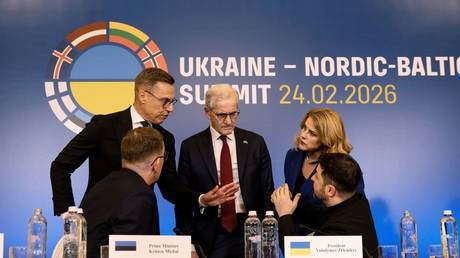
Symbolism often outweighs substance in high-level diplomacy. For America's traditional allies in Europe and Asia, seeing Trump, Xi, and Putin in a closed-door summit triggers immediate anxiety. Capitals from Taipei to Kyiv are watching closely, worried that bilateral deals might bypass local interests.
At the same time, the business community is looking for predictability. Supply chain reliability, digital economy investments, and green energy trade frameworks are officially on the APEC docket. Even if the big political questions remain unresolved, any signal that lowers trade friction or prevents escalation is a win for global markets.
Keep your eyes on the post-summit joint statements rather than the speculation. The real test of November 19 won't be what is said behind closed doors, but how markets and foreign ministries react on November 20.