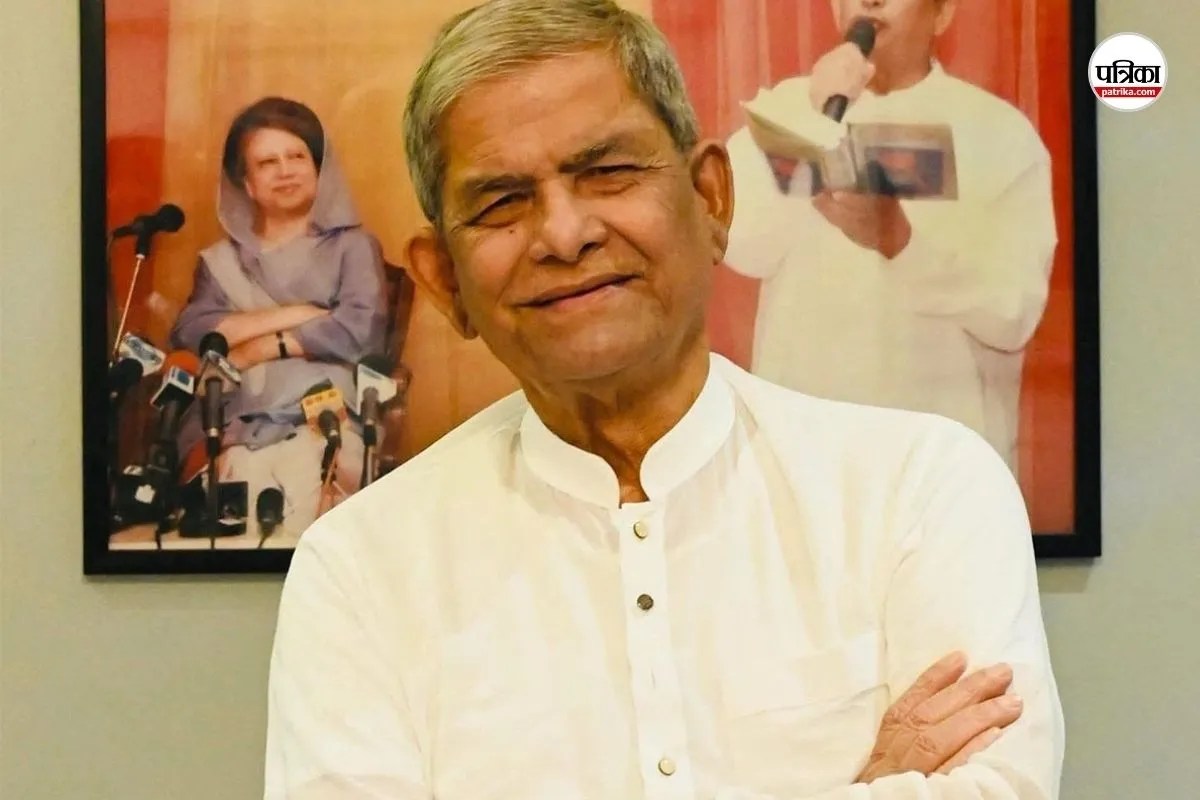
The political landscape in Bangladesh is shifting once again. With the presidential election set for August 20, 2026, all eyes are on the Bangladesh Nationalist Party (BNP) and its nomination of longtime veteran Mirza Fakhrul Islam Alamgir.
This isn't just another routine procedural vote. It follows the resignation of former President Mohammed Shahabuddin on July 24, 2026, due to health concerns. Since his departure, Parliamentary Speaker Hafiz Uddin Ahmad has been serving as the acting head of state. Now, the Jatiya Sangsad—the national parliament—must elect the 23rd president, and the numbers heavily favor the ruling party. Meanwhile, you can read similar developments here: What The Luigi Mangione Plea Deal Means For The Unitedhealthcare Case.
The power dynamic behind the nomination
The BNP returned to power following the February 12, 2026, elections with a commanding two-thirds majority in parliament. Because the president is elected by lawmakers, the BNP's support basically guarantees that their nominee will win.
Mirza Fakhrul Islam Alamgir, 78, has been a pillar of the BNP for over two decades. He stepped into the role of acting secretary general in 2011 and took the position officially in 2016. He navigated the party through some of its most difficult years, including the imprisonment of former Prime Minister Khaleda Zia. Upon accepting the nomination, he resigned from his position as secretary general and from the party's highest policy-making standing committee. This move highlights the weight of the office he's seeking. To see the bigger picture, check out the recent article by Reuters.
While the role of the president in Bangladesh is largely ceremonial, it’s not toothless. The president holds constitutional authority to appoint the prime minister and the chief justice. More importantly, in the context of the country's recently reintroduced caretaker government system, the president’s role as supreme commander of the armed forces could take on a much more significant, non-ceremonial importance during transition periods.
Why this election is a calculated move
Analysts are already pointing out that this nomination aligns with the BNP’s broader political strategy. During its 2026 election campaign, the party hinted at potentially strengthening the presidency through constitutional amendments. By placing a seasoned, deeply trusted party loyalist like Alamgir in the top office, the BNP is signaling its intent to manage its vision for the country’s governance with precision.
Of course, the opposition isn't staying silent. Jamaat-e-Islami has fielded Colonel (retd) Oli Ahmad, the chairman of the Liberal Democratic Party, to contest the seat. However, given the BNP's massive parliamentary majority, the outcome is widely expected to favor the ruling party’s candidate.
Looking ahead at the process
The Election Commission has laid out a strict timeline for this transition:
- Nomination: Candidates had until 4:00 p.m. on August 13 to submit their papers.
- Scrutiny: The commission will review the validity of these nominations on August 16.
- Withdrawal: Candidates who decide not to run have until August 18 to pull out.
- Election Day: Voting will occur within the parliament hall on August 20 from 2:00 p.m. to 5:00 p.m.
If a consensus is reached or if there's only one viable candidate, a full vote might not even be necessary. But for now, the machinery of the state is moving to ensure that the vacancy left by Shahabuddin is filled within the 90-day constitutional window.
This election is a sign of a government working to consolidate its leadership and stabilize the political structure. As Bangladesh continues to navigate its post-reform era, the choice of its next president will serve as a bellwether for how the BNP intends to balance its mandate with the nation’s shifting expectations. Watch the parliamentary proceedings on August 20 closely; the implications for the country's legislative and judicial balance are real.