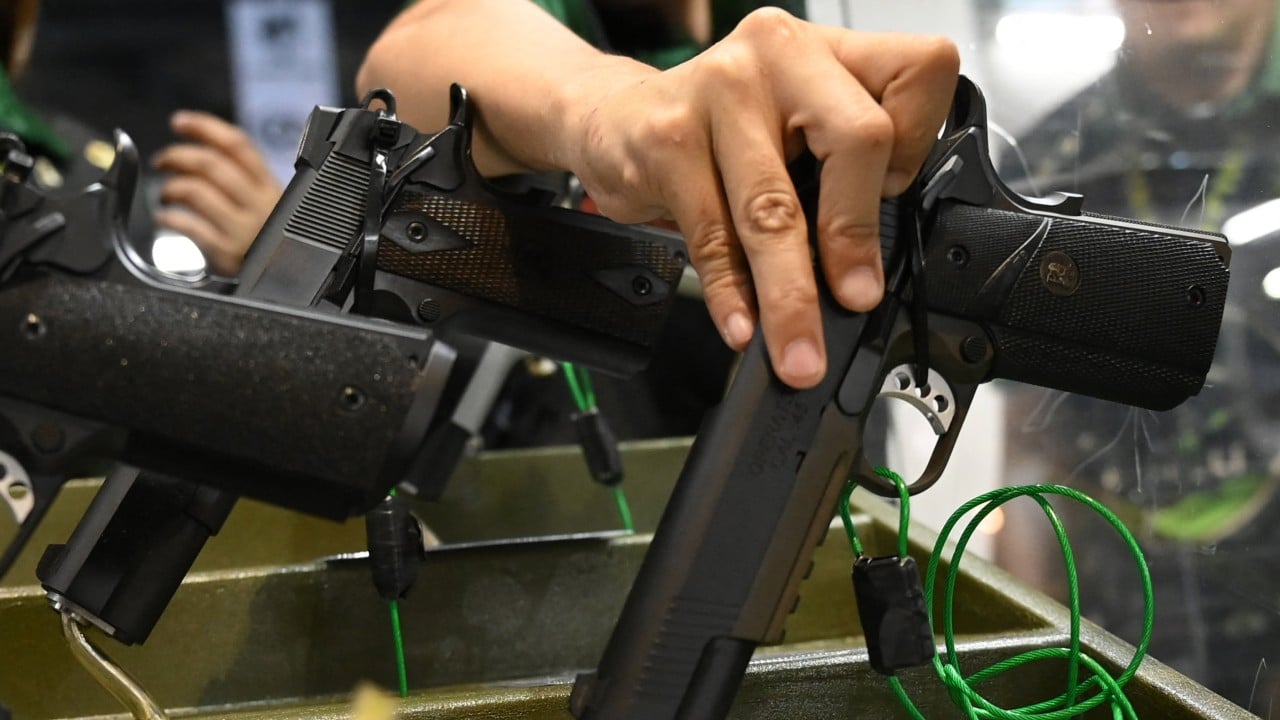
Deadly gunfire inside a classroom isn't supposed to happen here. Yet, a grim reality has set in across the Philippines following a disturbing wave of campus attacks. Three fatal school shootings since June—spanning Tacloban City, Zamboanga City, and South Cotabato—have left communities shattered and forced a hard look at a dangerous domestic blind spot: unsecured family firearms.
When a 16-year-old student opened fire at Banga National High School in South Cotabato, killing two and injuring eight others, investigators didn't have to look far for the source of the weapon. The 9mm Glock pistol belonged to his father, an employee of the Department of Education. Similar details emerged from previous incidents, including an August attack at Ateneo de Zamboanga University and a June massacre at San Jose National High School in Tacloban.
We are looking at a glaring structural failure. Stricter national laws mean nothing if lethal weapons sit unlocked in bedroom drawers or office closets, waiting for an adolescent crisis to turn catastrophic.
The Flawed Culture of Domestic Gun Storage
For decades, gun ownership discussions in the country focused heavily on criminal syndicates, political warlords, or illegal street weapons. But the recent school tragedies shift the spotlight directly onto legal firearms housed under suburban and provincial roofs.
Parents who own firearms—whether for personal protection or as state-issued equipment tied to government jobs—frequently underestimate adolescent impulse control. Teenagers experiencing intense emotional distress, bullying, or social isolation do not need a black-market arms dealer when a parent's service pistol is left loaded and accessible on a shelf.
Experts point out that statutory gun regulations usually emphasize background checks and licensing. They rarely enforce strict accountability regarding how those weapons are stored inside private residences. If a firearm is easy to grab, safety protocols on paper become entirely useless.
Moving Past the Mental Health Cop-Out
Whenever a tragedy like this strikes, public discourse immediately pivots to youth mental health. Counseling and psychological support matter, but treating mental health as the sole culprit misses the point.
Academic analyses of mass violence show that while early trauma, family conflict, and emotional dysregulation form part of the baseline puzzle, physical access to a firearm turns a transient adolescent crisis into a body count. You can address bullying and provide school counselors, but if a distressed minor can walk into a bedroom closet and retrieve a Glock, the system has already failed.
Other contributing factors regularly cited by researchers include early abuse, unstable home environments, and community pressures. None of these elements operate in a vacuum. They interact with one another over years of development. Still, introducing a high-velocity weapon into that volatile mix acts as the ultimate catalyst.
What Needs to Change Right Now
Fixing this crisis requires moving past superficial political statements and implementing rigid, enforceable accountability measures.
- Mandatory Safe Storage Laws: Gun owners must face criminal liability if minors access unsecured firearms in their homes. Vague guidelines invite negligence.
- Strict Audits for State-Linked Weapons: Because multiple recent weapons traced back to civil servants or state employees, government agencies need regular, unannounced inspections of how personnel store issued armaments.
- School-Community Intervention: Administrators need the resources to spot severe isolation or bullying early, creating a safety net before a student reaches a breaking point.
Leaving lethal hardware within arm's reach of children is an invitation to disaster. Until the culture of casual gun storage shifts toward strict, non-negotiable security, these classrooms will remain vulnerable.