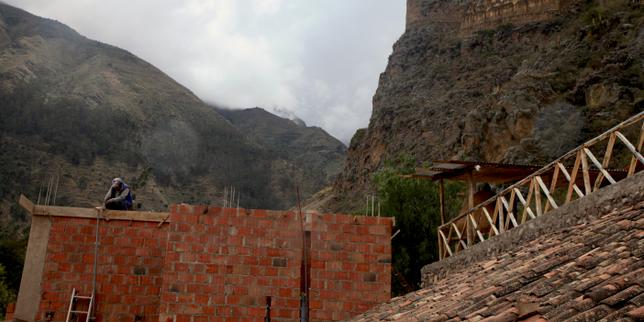
You stand in the shadow of the Andes, surrounded by ancient terracing that once fed an entire empire, only to watch a concrete mixer grind past a centuries-old stone wall. The Sacred Valley of the Incas isn't just a postcard stop on the way to Machu Picchu; it's a living, breathing ecosystem of pre-Columbian agricultural engineering and rural Andean culture. Yet, right now, rampant and often illegal construction is tearing it apart.
If you think this is just another story about overtourism ruining a nice view, you're missing the bigger picture. This is an active crisis of real estate speculation, institutional neglect, and the slow erasure of irreplaceable archaeological heritage. Let's look past the glossy travel brochures and unpack what's actually happening on the ground in Peru.
The Real Drivers Behind the Concrete Boom
For decades, the Sacred Valley—stretching along the Urubamba River near Cusco—remained relatively shielded from intense urban sprawl. Agriculture dominated the landscape, maintaining the same rhythms established centuries ago. Locals farmed maize, tended livestock, and preserved traditional adobe architecture.
Everything shifted as global tourism exploded and post-pandemic migration patterns accelerated. Urbanites from Lima and foreign investors started buying up cheap agricultural plots. They wanted weekend retreats, boutique hotels, and rental properties.
Local municipalities are often ill-equipped—or occasionally complicit—to handle the pressure. Zoning laws exist on paper, but enforcement is weak. Bureaucratic inertia means that illegal buildings go up overnight, far faster than inspectors can issue citations. By the time a fine is levied, the concrete is already dry, families have moved in, and tearing it down becomes politically and logistically impossible.
What's Actually Being Lost
The damage goes far beyond aesthetics. When developers throw up unregulated structures across the valley, they disrupt ancient hydraulic systems. The Incas masterminded sophisticated drainage and irrigation channels that managed seasonal rains and prevented landslides. Slapping modern concrete foundations over these networks blocks natural water flow, increasing erosion risks for everyone.
Furthermore, the valley is a continuous archaeological canvas. Hundreds of unexcavated or partially documented sites sit quietly beneath the surface. Unregulated earthmoving and foundation-digging frequently destroy artifacts before historians even know they're there. You aren't just losing a nice view of the mountains; you're erasing chapters of human history that can never be recovered.
Why Current Protection Efforts Fall Short
The Peruvian government routinely faces heavy criticism for its reactive rather than proactive stance. Organizations like the World Monuments Fund have repeatedly flagged major infrastructure projects and haphazard local expansions for threatening the region's historical integrity.
Yet, local communities find themselves caught in a painful squeeze. On one hand, tourism and real estate development inject cash into a poor region. On the other hand, skyrocketing land prices force generational farmers off their ancestral plots. You get a vicious cycle where locals sell their land out of financial desperation, only to watch outsiders turn fertile fields into gated communities and concrete compounds.
Moving Beyond Outrage
Complaining on social media won't stop a bulldozer. If you care about preserving places like the Sacred Valley, your choices as a traveler or an observer matter.
Stop patronizing accommodations that lack proper environmental and heritage permits. Support community-based tourism initiatives where local families retain ownership of their land and heritage. Push travel agencies to be transparent about the suppliers they use. Real preservation starts when the economic incentive shifts away from unregulated land-grabbing and toward genuine cultural respect.
The Sacred Valley survived the Spanish conquest and centuries of shifting political tides. It shouldn't lose its soul to cheap concrete blocks and short-sighted real estate speculation.