The war came home to Russia in a way it never had before. Hundreds of explosive-laden drones lit up the night sky over multiple Russian regions, targeting the heart of the country's logistics and military infrastructure. It wasn't just a tactical strike. It was a clear statement that distance no longer protects Russian cities.
Moscow mayor Sergei Sobyanin reported that hundreds of drones headed straight for the capital, overwhelming air defenses and forcing emergency shutdowns. The sheer scale of this offensive marks a turning point in how Kyiv wages this conflict, shifting the financial and psychological burden directly onto the Russian population. You might also find this connected article interesting: Why The Russian Missile Strike On Lakshmi Mittal’s Steel Plant Changes Everything.
The Strike on Wildberries and Economic Warfare
You cannot talk about this wave of attacks without looking at the choice of targets. Ukrainian forces didn't just aim for military bases. They hit giant e-commerce fulfillment hubs, including a massive distribution warehouse belonging to retail giant Wildberries in Podolsk, just south of Moscow.
Thick black smoke billowed over the facility as fires raged out of control. Ukraine's military later confirmed that targeting these logistics hubs is part of a calculated strategy. By hitting major distribution centers, Kyiv wants to hurt the Russian economy and rattle ordinary citizens who thought they were safe from the front lines. As reported in detailed reports by BBC News, the implications are widespread.
When warehouses filled with billions of dollars worth of consumer goods go up in flames, the economic impact trickles down instantly. It stops being a distant geopolitical news headline. It becomes a domestic disruption that every citizen feels.
Escalation in the Regions and Rising Casualties
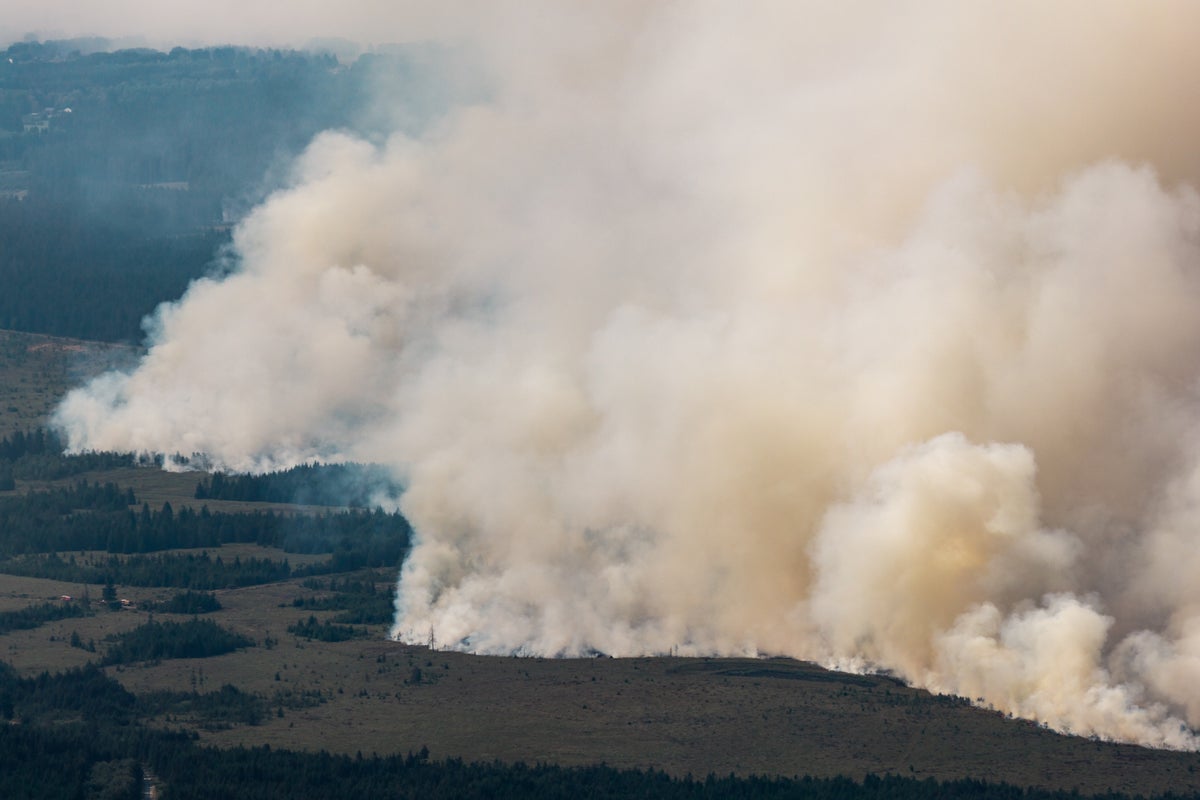
The assault wasn't confined to the Moscow region. Farther south in the Rostov region, more than 150 drones targeted multiple towns, destroying homes, damaging railway infrastructure, and sparking massive forest fires. Local authorities confirmed multiple fatalities, pushing the human cost of the overnight barrage higher.
Russia's Ministry of Defense claimed staggering numbers, stating they intercepted and destroyed hundreds of drones overnight. Independent analysts always treat these figures with caution, but even the official Russian admissions prove the unprecedented scale of the swarm.
At the same time, the response from Moscow was swift and brutal. Russian missile and drone strikes pounded Ukrainian cities, hitting industrial sites like the ArcelorMittal steel plant in Kryvyi Rih and tearing through a historic book market in Kyiv. Civilians on both sides are paying an increasingly heavy price as the air war intensifies.
What This Means for the Rest of the Conflict
Long-range drone warfare has evolved from a novelty into the primary engine of strategic pressure. Ukraine's domestic defense industry is churning out cheaper, smarter, and further-reaching unmanned systems. They aren't waiting for permission or relying solely on foreign stockpiles. They are building the capability to strike deep into Russian territory independently.
Russia's air defense network is stretched thin. Covering every square mile of the world's largest country is practically impossible, and Kyiv is exploiting those blind spots with surgical precision.
Expect more of this. As long as the conflict grinds forward, long-range swarms will become bolder, targeting the economic lifelines that keep the Russian war machine running. Distance is no longer a shield.