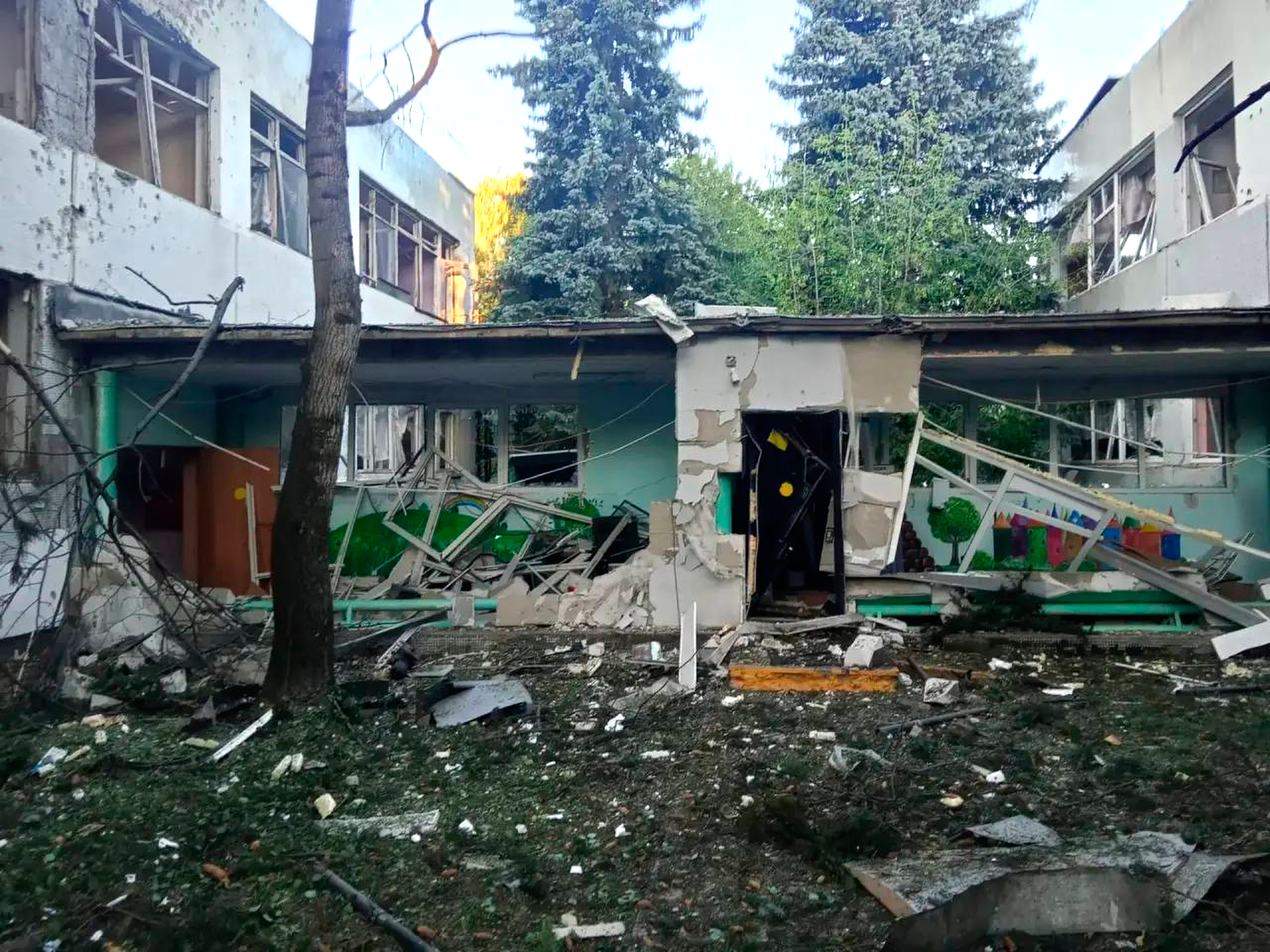
The air war between Kyiv and Moscow just took a deeply strategic, highly destructive turn. Overnight, a massive wave of Ukrainian long-range drones swept across 19 Russian regions, leaving eight people dead and over 60 wounded. But the headline numbers don't tell the real story. What matters here is exactly what Ukraine hit.
For the first time at this scale, Kyiv deliberately targeted massive fulfillment hubs belonging to Wildberries, Russia’s largest online retailer.
If you think striking a digital storefront's warehouse is an odd military choice, you're missing the reality of how Russia bypasses western sanctions to build its war machine. These aren't just places where people order clothes or blenders. They've become vital nodes in a decentralized military supply chain.
The Dual-Use Economy Under Fire
Ukrainian President Volodymyr Zelenskyy didn't mince words about the strikes on the Moscow and Tambov regions. He confirmed that Ukrainian forces intentionally chose these massive logistical facilities because they are being used to funnel sanctioned electronic components into Russia. We are talking about microchips, navigation sensors, and circuit boards needed to build military drones and guided missiles.
When western sanctions choked off direct component sales to Russian defense firms, the Kremlin got creative. They turned to civilian commercial networks. E-commerce giants like Wildberries process millions of packages daily from global hubs, making it incredibly easy to hide small batches of dual-use technology in plain sight. By turning these commercial warehouses into ashes, Ukraine is actively choking the supply line before those microchips ever reach an assembly line.
Where the Drones Hit Home
The sheer scale of the overnight raid caught Russian air defenses off guard. While Russia's Defense Ministry claimed it intercepted 379 drones over various regions, the ones that got through caused catastrophic damage.
- Kotovsk, Tambov Region: Located roughly 360 kilometers from the Ukrainian border, a Wildberries hub took a direct hit. The strike killed seven night-shift workers and wounded 25 others.
- Elektrostal, Moscow Region: Just 50 kilometers east of the Kremlin, another sprawling Wildberries warehouse went up in flames. Massive towers of black smoke were visible from Moscow city limits as the facility burned.
- Noginsk, Moscow Region: An oil depot caught fire just north of the Elektrostal warehouse, forcing local officials to evacuate a nearby residential building and a maternity hospital.
One injured person from the Moscow region later died in the hospital, bringing the total death toll to eight.
Moving Past the "Buffer Zone" Myth
This attack heavily undermines Moscow's recent narrative. Just days ago, Russian officials talked about widening a "buffer zone" to protect their territory from cross-border strikes. Clearly, that isn't working. Ukraine’s deep-strike capabilities are evolving faster than Russia can fortify its airspace.
To cope with the relentless pressure on its capital, Moscow recently started mounting Pantsir air defense systems directly onto civilian rooftops. Yet, hundreds of drones are still penetrating the airspace, disrupting major airports and knocking out energy infrastructure. Kyiv has realized that it cannot win a purely defensive war of attrition. To break the stalemate, they are bringing the economic and structural cost of the invasion directly to the Russian home front.
The immediate takeaway for supply chain analysts and regional observers is simple. No large-scale logistical hub inside western Russia is safe anymore. If a facility handles electronics, imports, or fuel, it's now considered a valid military target by Kyiv's drone operators.
If you're tracking the economic fallout of this conflict, expect domestic shipping times inside Russia to crater and tech import bottlenecks to tighten severely over the coming weeks. Keep an eye on regional fuel supply metrics next, as the strike on the Noginsk oil facility adds to a growing domestic fuel crisis that has plagued the Kremlin all summer.